
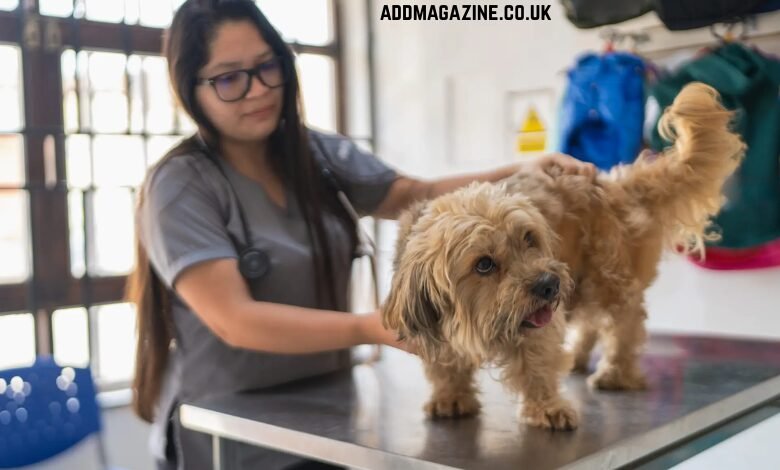
You want your pet to stay healthy every season. A general veterinarian guides you through that work. Routine visits, clear answers, and early action protect your pet from pain and fear. They also protect you from sudden shock when a small issue grows into a crisis. In an animal clinic in High River, AB, your veterinarian provides thorough care beyond just weight and vaccines. First, they look for quiet signs of disease before your pet shows distress. Next, they build a simple plan for food, exercise, and home care that fits your daily life. Finally, they help you prepare for age, weather, and travel changes that can strain your pet’s body. This blog explains five specific ways general veterinarians keep pets strong through winter, spring, summer, and fall so you can act with confidence and avoid regret.
1. Regular exams catch small problems early
Yearly or twice yearly exams give your veterinarian a clear picture of your pet’s body. They compare each visit to the last one. They look for slow changes that you may miss at home.
During a routine exam your veterinarian will usually:
- Listen to the heart and lungs
- Check teeth, gums, and mouth
- Feel the abdomen and joints
- Look at eyes, ears, and skin
Each step can uncover disease before it turns into suffering. A soft heart murmur, a small lump, or mild joint stiffness can point to a bigger risk. Early care often costs less money and less stress than emergency care.
You can review a sample wellness schedule for dogs from the American Veterinary Medical Association. It explains how exams and tests change as pets age.
2. Vaccines and parasite control give quite protection
Parasites and infections do not care about seasons. Fleas, ticks, worms, and viruses can harm your pet indoors and outdoors. A general veterinarian builds a simple vaccine and parasite plan for your home, your travel habits, and your pet’s age.
Core vaccines protect against severe disease. Non-core vaccines cover risks tied to your region or lifestyle. For cats and dogs, your veterinarian may suggest vaccines for:
- Rabies
- Distemper or panleukopenia
- Parvovirus
- Respiratory infections
Parasite control can include products for:
- Fleas and ticks
- Heartworm
- Intestinal worms
The U.S. Centers for Disease Control and Prevention warns that many parasites move between pets and people. That means your pet’s parasite plan also shields your family.
Sample yearly protection plan for an adult dog
| Care type | How often | Main goal |
|---|---|---|
| Wellness exam | Once or twice per year | Find early signs of disease |
| Core vaccines | Every 1 to 3 years | Prevent severe viral disease |
| Flea or tick product | Monthly | Stop bites and blood loss |
| Heartworm product | Monthly | Protect heart and lungs |
| Stool test | Once per year | Check for intestinal worms |
3. Nutrition and weight control support long life
Food is a daily medicine. Too much or too little can shorten your pet’s life. A general veterinarian checks body weight and body shape at every visit. They watch for slow gain or loss. They also ask about treats, human food, and feeding times.
With that information, they help you choose:
- The right portion size for weight goals
- The right treat plan that still feels kind
They may also suggest changes as your pet grows older. Some pets need special food for kidney or heart disease. Clear food guidance lowers the risk of diabetes, arthritis, and some cancers.
4. Dental care stops silent mouth pain
Teeth and gums can hurt long before a pet stops eating. A general veterinarian checks the mouth at each exam and tracks tartar, gum color, and loose teeth.
They may suggest:
- Yearly dental cleaning under anesthesia
- Tooth removal when roots are damaged
- Daily brushing at home with pet-safe paste
- Dental treats or rinses that slow plaque
Good dental care protects more than the mouth. Bacteria from bad teeth can move into the heart, liver, and kidneys. Clean teeth support clean blood and less chronic pain.
5. Behavior and lifestyle plans protect mental health
Health is more than lab tests. A scared or bored pet can suffer just as much as a sick pet. General veterinarians ask about your pet’s daily life. They listen for signs of fear, anger, or sadness.
Common warning signs include:
- Hiding from family
- Chewing walls or doors
- Growling or snapping
- Bathroom accidents in the home
Your veterinarian helps you sort out medical causes from behavioral causes. They may suggest changes in exercise, play, and rest. They may guide you on safe training tools and clear rules. They may also refer you to a trainer when you need deeper help.
How you can support year-round health
Your choices at home make each clinic visit more useful. You can support your veterinarian’s work when you:
- Keep a simple journal of weight, appetite, and behavior
- Bring a list of questions to every visit
- Give medicines and parasite products on time
Through regular exams, quiet protection from vaccines and parasite control, sound food choices, strong dental care, and clear behavior plans, general veterinarians stand between your pet and preventable harm. With steady teamwork, you give your pet comfort, safety, and more good years.