
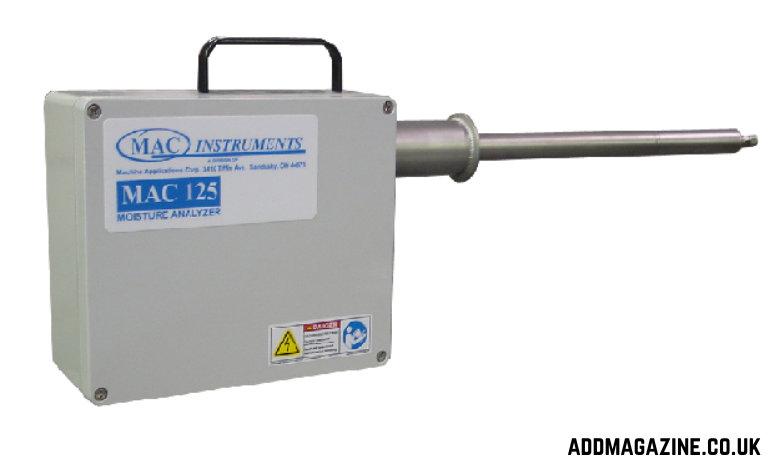
Quality control labs and production facilities depend on moisture analyzers to maintain consistent product specifications and regulatory compliance. When these instruments fail or produce unreliable results, the consequences extend far beyond a single measurement. Production delays, rejected batches, and quality issues can cascade through operations, affecting delivery schedules and customer relationships.
The service provider you choose for moisture analyzer maintenance directly impacts equipment reliability and measurement accuracy. While many providers appear capable on paper, their actual performance reveals itself through subtle warning signs that often go unrecognized until problems escalate. Understanding these indicators helps facility managers and quality control professionals make informed decisions about service partnerships before operational disruptions occur.
Inconsistent Response Times Create Operational Uncertainty
Service response consistency reflects a provider’s organizational stability and commitment to client operations. When a service moisture analyzer requires attention, the time between your service request and actual technician arrival should follow predictable patterns based on the urgency level and service agreement terms.
Response time variability often indicates inadequate staffing, poor scheduling systems, or competing priorities that place your equipment needs secondary to other clients. A provider who responds within two hours one week but takes two days the next week without clear communication demonstrates unreliable service infrastructure. This inconsistency makes it difficult to plan around equipment downtime and can force emergency decisions when instruments fail during critical production periods.
Communication Gaps Compound Response Problems
Beyond slow response times, inadequate communication during service delays creates additional operational stress. Professional service providers maintain clear communication channels and provide realistic timeframes when delays occur. When service representatives cannot provide definitive scheduling information or fail to update you on technician availability, it suggests internal coordination problems that will likely affect service quality.
These communication issues often correlate with technician preparedness problems. Service calls that require multiple visits because the technician arrived without proper parts or diagnostic equipment indicate systemic organizational problems rather than isolated incidents.
Geographic Coverage Limitations Affect Service Quality
Service providers operating beyond their optimal coverage areas often struggle with consistent response times. When technicians must travel significant distances to reach your facility, weather delays, traffic issues, and scheduling conflicts create more frequent service disruptions. Providers who accept clients outside their primary service territory may offer competitive pricing but cannot deliver the reliability that moisture-critical operations require.
Technician Competency Issues Compromise Equipment Performance
Moisture analyzer technology varies significantly between manufacturers and models, requiring specialized knowledge for proper diagnosis and repair. Technicians who lack specific training on your equipment model often resort to generic troubleshooting approaches that may temporarily address symptoms without resolving underlying problems.
Competency problems manifest in several ways during service visits. Technicians who spend excessive time consulting manuals or contacting supervisors for guidance on routine procedures indicate insufficient preparation. Similarly, repairs that require multiple service calls to complete suggest the initial diagnosis missed important details or the technician lacked necessary skills to perform the work correctly the first time.
Generic Solutions Mask Equipment-Specific Problems
Each moisture analyzer model has unique calibration requirements, sensor characteristics, and maintenance protocols. Technicians who apply standardized solutions across different equipment types often create new problems while attempting to resolve existing ones. For example, using incorrect calibration standards or applying inappropriate cleaning procedures can affect measurement accuracy for weeks after the service visit.
Professional service technicians demonstrate their competency through systematic diagnostic approaches and equipment-specific knowledge. They should be able to explain their findings in terms that relate to your specific analyzer model and measurement applications, rather than providing generic explanations that could apply to any laboratory instrument.
Inadequate Documentation Affects Future Service Quality
Competent technicians maintain detailed service records that document specific problems, solutions applied, and recommendations for future maintenance. When service reports lack detail or fail to address the original problem description, it suggests the technician did not fully understand the equipment issues or the repair work performed.
Poor documentation also affects continuity when different technicians service your equipment. Without detailed records, subsequent service calls often repeat previous diagnostic work, increasing costs and equipment downtime.
Parts Availability Problems Extend Equipment Downtime
Moisture analyzer components have specific tolerances and material requirements that affect measurement accuracy. When service providers substitute generic parts or delay repairs due to parts availability issues, it directly impacts equipment performance and measurement reliability.
Established service providers maintain appropriate parts inventory for the equipment brands they service. Frequent delays due to parts ordering suggest the provider either lacks adequate inventory management or does not prioritize your equipment brand. According to NIST standards, measurement instrument reliability depends heavily on using manufacturer-approved components that meet specific accuracy requirements.
Parts availability problems often reveal themselves through extended repair timeframes and frequent service appointment rescheduling. When a simple sensor replacement requires weeks to complete due to parts ordering delays, it indicates the service provider does not maintain adequate inventory for your equipment type.
Unauthorized Substitutions Create Measurement Reliability Issues
Some service providers attempt to reduce costs by using non-manufacturer parts or modified components that appear functionally equivalent. While these substitutions may restore basic equipment operation, they often affect measurement accuracy or long-term reliability in ways that are not immediately apparent.
They should never make unauthorized substitutions without explicit approval and clear explanation of potential consequences.
Emergency Parts Access Reflects Service Infrastructure
Critical production environments require service providers who can access emergency parts when equipment failures threaten production schedules. Providers who cannot expedite parts delivery or provide temporary solutions during parts delays lack the infrastructure necessary to support time-sensitive operations.
This capability extends beyond parts inventory to include relationships with manufacturers, overnight shipping arrangements, and access to refurbished components when new parts are not immediately available.
Cost Transparency Issues Indicate Unreliable Business Practices
Service pricing should reflect clearly defined labor rates, parts costs, and any additional fees based on service complexity or timing requirements. Providers who cannot provide detailed cost estimates before beginning work or who present unexpected charges after completing services demonstrate poor business practices that often correlate with service quality problems.
Transparent pricing includes clear explanation of diagnostic fees, minimum service charges, and any premium rates for emergency or after-hours service. When service providers avoid discussing costs until after completing work, it suggests they may lack confidence in their value proposition or use pricing ambiguity to increase revenue.
Hidden Fees Reflect Poor Service Planning
Professional service providers account for travel time, basic diagnostic work, and standard tools in their base service rates. Frequent additional charges for items that should be included in routine service calls indicate poor cost planning or attempts to artificially reduce quoted service rates.
Common hidden fees include charges for basic tools, diagnostic time beyond the first hour, or travel costs that were not disclosed during initial service scheduling. These practices make it difficult to budget for equipment maintenance and suggest the provider may lack organizational maturity.
Competitive Pricing Requires Service Value Comparison
While cost is an important consideration, the lowest-priced service provider often cannot deliver the reliability and expertise that moisture-critical operations require. Service value should be evaluated based on total cost of ownership, including equipment downtime, repeat service calls, and measurement accuracy impacts.
Providers who offer significantly below-market pricing often compensate through reduced service quality, longer response times, or additional fees that are not apparent in initial quotes.
Service Agreement Limitations Restrict Operational Flexibility
Service agreements should provide operational flexibility while ensuring adequate equipment maintenance and support. Providers who impose rigid scheduling requirements, limit service call frequency, or restrict coverage hours may not be suitable for facilities with demanding production schedules or quality requirements.
Agreement limitations often reflect a provider’s capacity constraints or business model incompatibility with your operational needs. For example, providers who only offer scheduled maintenance during business hours cannot support facilities that operate multiple shifts or require weekend production capability.
Escalation Procedures Affect Problem Resolution
Complex equipment problems occasionally require technical expertise beyond the assigned service technician’s capabilities. Service providers should have clear escalation procedures that provide access to senior technicians, manufacturer support, or specialized diagnostic equipment when standard troubleshooting approaches are insufficient.
Providers who lack escalation options often result in prolonged equipment downtime while technicians attempt repairs beyond their skill level. This approach increases the risk of additional equipment damage and extends the time needed to restore normal operation.
Contract Flexibility Supports Changing Requirements
Equipment service needs evolve based on production changes, regulatory requirements, and equipment aging. Service agreements should include provisions for modifying service frequency, adding equipment coverage, or adjusting response time requirements without requiring complete contract renegotiation.
Inflexible service agreements that lock facilities into specific service levels for extended periods may not accommodate business growth or changing operational requirements.
Conclusion
Moisture analyzer service quality directly affects measurement reliability, equipment longevity, and operational efficiency. The five warning signs outlined above provide clear indicators when a service provider cannot meet your facility’s requirements for consistent, professional equipment support.
Recognizing these red flags early allows facility managers to evaluate service alternatives before equipment problems disrupt production or compromise quality control processes. Professional service providers demonstrate their capabilities through consistent response times, technician competency, parts availability, cost transparency, and flexible service agreements that support your operational requirements.
Taking action when these warning signs appear helps maintain the measurement accuracy and equipment reliability that quality-critical operations depend on. The cost of switching service providers is typically far less than the operational impact of continued poor service performance.