Manufacturing facilities across the United States lose millions of dollars annually due to motor controller failures that could have been prevented during the selection process. These failures don’t just mean replacing a component—they trigger cascading effects that shut down entire production lines, delay customer orders, and force emergency maintenance calls that strain already tight operational budgets.
The challenge extends beyond simple equipment failure. When production managers select motor controllers without understanding the full operational context, they often discover compatibility issues months later, when systems are already integrated and running critical processes. The cost of retrofitting or replacing incorrectly specified controllers can exceed the original equipment investment by three to four times, not accounting for the revenue lost during downtime.
Most manufacturing decision-makers approach motor controller selection as a straightforward matching exercise—pairing motor specifications with controller capabilities. This approach overlooks the complex interactions between controllers, existing infrastructure, environmental conditions, and long-term operational requirements that determine whether a system will operate reliably for years or require constant intervention.
Underestimating Environmental and Operational Stress Factors
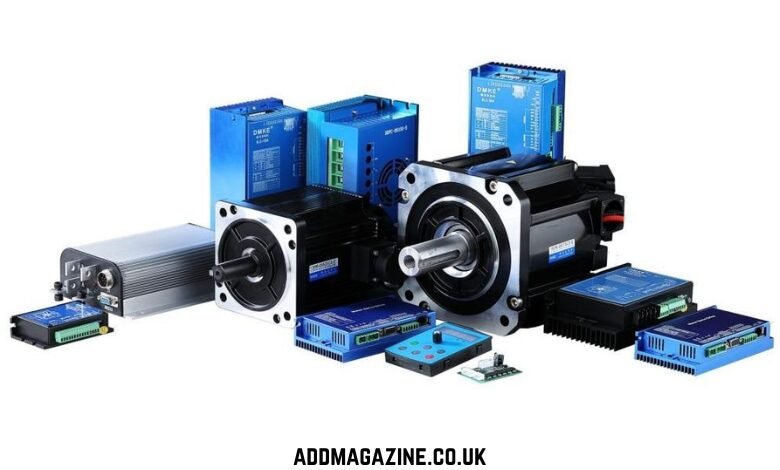
Manufacturing environments subject motor controllers to conditions that extend far beyond laboratory specifications. Temperature fluctuations, vibration, electrical interference, and contamination create operational stress that standard controller ratings often don’t fully address. An Industrial Brushless Motor Controller overview reveals that many failures occur not because controllers lack the technical capability to drive motors, but because they cannot withstand the cumulative environmental stress of continuous industrial operation.
Facilities with machining operations generate metallic particles that settle on controller housings and infiltrate ventilation systems. Chemical processing plants expose controllers to corrosive vapors that degrade connections over time. Food processing facilities require controllers that can withstand regular washdown procedures without compromising electrical integrity. These environmental factors interact with electrical loads in ways that accelerate component degradation and reduce operational lifespan.
Temperature Management Beyond Rated Specifications
Controllers installed in enclosed panels or near heat-generating equipment experience thermal stress that exceeds ambient temperature ratings. The cumulative effect of repeated thermal cycling causes expansion and contraction that loosens connections and stresses solder joints. Manufacturers who select controllers based solely on ambient temperature ratings often discover that localized heating from adjacent equipment or poor panel ventilation creates thermal conditions that approach or exceed controller limits.
Inadequate thermal management also affects controller performance characteristics. Higher operating temperatures reduce switching efficiency, increase power dissipation, and alter control algorithms in ways that affect motor performance. The resulting inefficiencies compound over time, leading to higher energy costs and reduced system reliability.
Vibration and Mechanical Stress Integration
Industrial facilities subject controllers to mechanical stress through direct vibration transmission and shock loading from nearby equipment. Presses, stamping machines, and material handling systems generate vibration patterns that can loosen controller mounting hardware and stress internal components. Controllers mounted directly to machine frames experience more severe mechanical stress than those installed in separate electrical enclosures.
The frequency characteristics of mechanical stress matter as much as the amplitude. Continuous low-level vibration can cause fatigue failures in solder joints and component leads, while intermittent shock loading stresses mounting systems and internal mechanical connections. Understanding the mechanical environment helps prevent failures that appear randomly but actually result from cumulative stress accumulation.
Inadequate Integration Planning with Existing Infrastructure
Motor controller selection decisions made in isolation from existing electrical infrastructure create compatibility problems that manifest during installation or commissioning. Facilities with established control systems, power distribution networks, and communication protocols require controllers that integrate seamlessly with existing architecture rather than forcing system-wide modifications.
Legacy manufacturing facilities often operate multiple generations of control equipment simultaneously. New controllers must communicate with older programmable logic controllers, interface with established human-machine interfaces, and operate within existing network topologies. Controllers selected without considering these integration requirements force expensive infrastructure upgrades or compromise system functionality.
Communication Protocol Compatibility
Manufacturing systems rely on standardized communication protocols to coordinate equipment operation and share operational data. Controllers that cannot communicate effectively with existing networks create isolated systems that reduce overall facility visibility and control capability. The National Institute of Standards and Technology has documented how communication incompatibilities in industrial systems reduce operational efficiency and increase maintenance complexity.
Protocol compatibility extends beyond basic connectivity to include data formatting, update rates, and diagnostic capabilities. Controllers that connect to networks but cannot provide meaningful operational data or respond to system commands create functional gaps that operators must work around. These gaps reduce system efficiency and complicate troubleshooting when problems occur.
Power Quality and Distribution Considerations
Existing facility power distribution systems may not provide the clean, stable power that modern controllers expect. Facilities with large motor loads, welding equipment, or variable frequency drives often experience power quality issues including voltage sags, harmonic distortion, and electrical noise. Controllers selected without considering existing power conditions may operate unreliably or require expensive power conditioning equipment.
Power distribution capacity also affects controller selection. Adding new motor controllers increases electrical demand and may approach the limits of existing transformers, panels, or branch circuits. Understanding power system capacity prevents situations where new controllers cannot operate at full capability due to electrical limitations.
Overlooking Long-Term Maintenance and Support Requirements
Manufacturing operations depend on consistent equipment availability over multiple years. Controllers that lack adequate maintenance support, replacement part availability, or local service capability create long-term operational risks that may not become apparent until systems require service. The true cost of controller ownership includes maintenance support, spare parts inventory, and eventual replacement considerations that extend well beyond initial purchase price.
Maintenance requirements vary significantly between controller technologies and manufacturers. Some controllers require specialized diagnostic equipment, proprietary software, or factory-trained technicians for service and troubleshooting. Others provide standard interfaces and documentation that allow facility maintenance staff to perform routine service and basic repairs using existing tools and knowledge.
Spare Parts Strategy and Availability
Critical production systems require spare parts availability that matches operational requirements. Controllers used in processes that cannot tolerate extended downtime need immediate replacement part access, while systems with built-in redundancy or scheduled maintenance windows can operate with longer parts lead times. Manufacturers who don’t establish clear spare parts strategies often discover availability problems during emergency situations when parts are needed immediately.
Parts availability also depends on controller lifecycle planning. Controllers approaching end-of-life status may have limited parts availability or require stocking decisions before manufacturer support ends. Understanding controller lifecycle stages helps prevent situations where critical systems depend on equipment that cannot be maintained or repaired.
Technical Documentation and Training Resources
Effective maintenance requires comprehensive technical documentation that maintenance staff can understand and apply. Controllers with poor documentation or complex diagnostic procedures increase maintenance time and reduce the likelihood of successful field repairs. Complete documentation includes wiring diagrams, parameter settings, troubleshooting procedures, and replacement part identification that enables effective maintenance planning.
Training requirements affect long-term maintenance costs and capabilities. Controllers that require extensive specialized training increase labor costs and create dependencies on specific personnel. Systems with intuitive interfaces and standard diagnostic approaches reduce training requirements and improve maintenance flexibility.
Insufficient Load Analysis and Future Capacity Planning
Motor controllers must match not only current motor requirements but also anticipated future operational changes. Manufacturing facilities regularly modify processes, increase production rates, or add equipment that changes motor loading patterns. Controllers selected based only on initial installation requirements may lack the capacity to support operational changes that occur during normal facility evolution.
Load analysis requires understanding both steady-state and transient operating conditions. Many applications subject motors to starting loads, shock loads, or cyclical variations that exceed normal running requirements. Controllers must handle these transient conditions while maintaining stable operation and protecting connected equipment from electrical stress.
Dynamic Loading and Duty Cycle Considerations
Industrial processes often subject motors to variable loading that changes throughout operating cycles. Conveyor systems experience loading variations as material quantities change. Machine tools encounter different loads based on material properties and cutting conditions. Pump and fan systems operate across varying flow and pressure conditions that affect motor loading patterns.
Controllers must accommodate these loading variations while maintaining consistent performance and protecting motors from electrical stress. Inadequate load analysis can result in controllers that operate near capacity limits during peak loading, reducing reliability and limiting operational flexibility when process conditions change.
Scalability and Expansion Planning
Manufacturing facilities that plan expansion or process improvements require controllers with sufficient capacity to support future requirements. Controllers operating near maximum capacity cannot accommodate increased production rates, additional equipment, or process modifications without replacement. Understanding future operational plans helps select controllers with appropriate capacity margins that support facility growth without forcing premature equipment replacement.
Expansion planning also considers communication and integration capabilities. Controllers with limited network capacity or fixed I/O configurations may not support additional sensors, actuators, or communication requirements that future expansions require. Selecting controllers with expansion capability reduces long-term infrastructure costs and maintains system consistency as facilities grow.
Inadequate Safety System Integration and Risk Assessment
Modern manufacturing facilities implement comprehensive safety systems that require coordinated response from all equipment, including motor controllers. Controllers that cannot integrate with facility safety systems or lack appropriate safety certifications create operational gaps that compromise overall facility safety performance. These gaps may not become apparent until safety systems undergo testing or respond to actual emergency conditions.
Safety integration extends beyond simple emergency stop capability to include coordinated shutdown procedures, lockout/tagout support, and integration with safety programmable logic controllers. Controllers must respond appropriately to safety signals while providing confirmation and status information that safety systems require for complete facility protection.
Functional Safety Standards Compliance
Industrial safety standards define specific requirements for equipment that participates in safety systems. Controllers used in safety-critical applications must meet functional safety standards that verify their ability to respond correctly to safety signals and maintain safe states during fault conditions. Non-compliant controllers may not provide the reliable safety response that facility risk assessments assume.
Safety compliance affects both controller selection and system design. Controllers without appropriate safety certifications require additional protective equipment or system modifications that increase installation cost and complexity. Understanding safety requirements during controller selection prevents expensive system modifications and ensures consistent safety performance across facility operations.
Emergency Response and Recovery Procedures
Controllers must support facility emergency response procedures including coordinated shutdown, system isolation, and recovery operations. Emergency procedures require controllers to respond predictably to command signals while maintaining status visibility that operators need for effective emergency management. Controllers that cannot participate effectively in emergency procedures create operational complications during critical situations.
Recovery procedures require controllers to restart safely and return to normal operation following emergency shutdowns or power interruptions. Controllers with complex startup sequences or extensive parameter verification requirements can extend facility restart times and delay return to normal production. Understanding recovery requirements helps select controllers that support efficient facility operations during both normal and emergency conditions.
Cost Analysis Limited to Initial Purchase Price
Manufacturing decision-makers often focus primarily on controller purchase price without considering total cost of ownership over the equipment lifecycle. This approach can result in selecting controllers that appear cost-effective initially but require higher maintenance costs, more frequent replacement, or expensive infrastructure modifications that exceed the savings from lower initial cost.
Total cost analysis includes installation costs, commissioning time, training requirements, maintenance expenses, energy consumption, and eventual replacement costs. Controllers with higher initial costs may provide lower total cost of ownership through reduced maintenance requirements, higher efficiency, or longer operational life that reduces replacement frequency.
Energy Efficiency and Operating Cost Impact
Controller efficiency affects facility energy costs throughout the equipment lifecycle. Differences in controller efficiency may seem small on individual units but compound significantly when multiplied across multiple controllers operating continuously over several years. Higher efficiency controllers reduce electrical demand charges and energy consumption costs that can exceed initial price differences within the first year of operation.
Energy efficiency also affects facility thermal management costs. More efficient controllers generate less waste heat, reducing cooling system loads and associated energy costs. In facilities with significant motor controller installations, the cumulative thermal impact can affect HVAC system sizing and operating costs throughout the facility.
Reliability and Downtime Cost Considerations
Controller reliability directly affects production availability and maintenance costs. More reliable controllers reduce emergency maintenance calls, spare parts consumption, and production interruptions that can cost thousands of dollars per incident. Facilities with high production values may justify higher controller costs based solely on improved reliability and reduced downtime risk.
Reliability analysis requires understanding failure modes and their operational impact. Controllers that fail safely and provide clear diagnostic information reduce repair time and minimize production impact compared to controllers that fail unpredictably or provide limited troubleshooting support. The operational value of reliable performance often exceeds initial cost differences by substantial margins.
Insufficient Vendor Evaluation and Support Assessment
Controller performance depends not only on hardware capabilities but also on vendor support quality, responsiveness, and long-term stability. Manufacturers who evaluate only technical specifications without assessing vendor support capabilities may select controllers from suppliers who cannot provide adequate technical assistance, timely parts delivery, or consistent product support throughout the equipment lifecycle.
Vendor evaluation requires understanding support organization capabilities, geographic coverage, response time commitments, and technical expertise levels. Vendors with limited local support presence or inadequate technical staff create risks during installation, commissioning, and ongoing operation when expert assistance becomes necessary for optimal system performance.
Technical Support Accessibility and Quality
Effective technical support requires accessible expertise that understands both controller technology and industrial application requirements. Vendors with limited technical support staff or inadequate application knowledge cannot provide the assistance that complex installations and troubleshooting situations require. Support quality affects both installation success and long-term operational effectiveness.
Support accessibility includes response time expectations, communication methods, and escalation procedures for complex technical issues. Vendors who cannot provide timely technical assistance create operational risks when systems require immediate attention to maintain production schedules or resolve safety concerns.
Product Lifecycle and Technology Evolution
Controller technology continues evolving with new capabilities, improved efficiency, and enhanced communication features. Vendors with strong research and development programs provide upgrade paths and technology evolution that protect controller investments over time. Vendors with limited development resources may offer products that become obsolete quickly or lack compatibility with advancing facility technologies.
Product lifecycle planning requires understanding vendor roadmaps, upgrade policies, and migration strategies for evolving technology requirements. Vendors who provide clear lifecycle guidance and migration support help facilities maintain current technology without forcing complete system replacements when improvements become available.
Conclusion
Successful industrial brushless motor controller selection requires comprehensive analysis that extends well beyond matching motor specifications to controller capabilities. The most critical selection factors—environmental compatibility, infrastructure integration, maintenance support, safety compliance, total cost of ownership, and vendor stability—often receive insufficient attention during the selection process, leading to operational problems that emerge months or years after installation.
Manufacturing facilities that implement thorough controller selection processes experience higher system reliability, lower maintenance costs, and better operational flexibility. These benefits compound over time, creating substantial operational advantages that justify the additional effort required for comprehensive controller evaluation. The investment in proper selection analysis pays dividends throughout the controller lifecycle through reduced downtime, lower maintenance costs, and improved operational capability.
Avoiding these common selection mistakes requires dedicated time and expertise during the evaluation process, but the long-term operational benefits far exceed the initial investment in proper analysis. Manufacturing facilities that prioritize comprehensive controller selection develop more reliable, efficient, and cost-effective motor control systems that support consistent production performance and operational success.