Commercial facilitiesand residential properties across Texas depend on heat pumps to maintain consistent indoor temperatures throughout the year. These systems handle both heating and cooling demands, making them essential infrastructure components that must operate reliably during seasonal transitions. When heat pumps develop problems, the issues often manifest as subtle performance changes rather than complete system failures.
Property managers, facility operators, and building owners face a critical window each fall to identify and address heat pump problems before winter weather arrives. Texas winters may be milder than northern climates, but unexpected cold snaps create immediate demand for reliable heating performance. Heat pump failures during these periods can compromise occupant comfort, disrupt business operations, and create costly emergency repair situations.
Understanding the warning signs of heat pump deterioration allows facility professionals to schedule maintenance during optimal conditions rather than responding to crisis situations. Early intervention prevents minor issues from escalating into major system failures that require extensive repairs or complete equipment replacement.
Unusual Operational Sounds Signal Internal Component Problems
Heat pumps produce consistent, predictable sounds during normal operation, including the steady hum of compressor operation and the gentle whoosh of airflow through ductwork. When internal components begin to fail, these familiar sounds change in ways that indicate specific mechanical problems requiring immediate attention.
Grinding noises typically indicate bearing wear within the compressor or fan motors, while clicking sounds often point to electrical relay problems or failing contactors. These mechanical issues create cascading problems throughout the system, reducing efficiency and increasing the likelihood of complete failure during peak demand periods. Professional heat pump repair college station tx services can diagnose these sound-related issues and prevent them from developing into major system failures.
Compressor and Motor Bearing Deterioration
Compressor bearings support rotating components under significant mechanical stress and thermal cycling. When these bearings begin to wear, they produce grinding or squealing sounds that intensify as the system operates. The deterioration process accelerates rapidly once it begins, making early detection critical for preventing complete compressor failure.
Fan motor bearings experience similar wear patterns, particularly in outdoor units exposed to weather conditions and debris accumulation. These motors must maintain consistent speeds to ensure proper airflow and heat transfer performance. Bearing problems create vibration that can damage other system components and reduce overall reliability.
Electrical Component Failure Indicators
Electrical contactors and relays control power flow to major system components, including compressors, fan motors, and heating elements. When these components begin to fail, they often produce rapid clicking sounds as they attempt to engage and disengage repeatedly. This condition, known as chattering, indicates insufficient electrical contact or coil problems within the relay mechanism.
Failing electrical components create inconsistent system operation and can damage connected equipment through voltage fluctuations or incomplete power delivery. The problems typically worsen during temperature extremes when electrical demand increases throughout the system.
Inconsistent Temperature Control Indicates System Imbalance
Heat pumps maintain indoor temperatures through precise control of refrigerant flow and airflow distribution. When system components begin to fail, temperature control becomes erratic, with some areas receiving inadequate heating or cooling while others experience temperature swings that compromise occupant comfort.
Refrigerant system problems often manifest as temperature inconsistencies before they cause complete system failure. Low refrigerant levels, restriction in refrigerant lines, or failing expansion valves all create situations where the heat pump cannot deliver consistent performance across all zones or areas within a building.
Refrigerant System Performance Issues
Refrigerant leaks reduce system capacity gradually, making them difficult to detect until performance problems become apparent. Small leaks may not trigger immediate system failures but create conditions where the heat pump cannot maintain desired temperatures during peak demand periods. The system compensates by running longer cycles, increasing energy consumption and component wear.
Expansion valve problems create similar symptoms by disrupting refrigerant flow patterns within the system. These valves control refrigerant pressure and flow rates based on system demand. When they malfunction, certain areas may receive insufficient heating or cooling while other areas experience adequate performance.
Airflow Distribution Problems
Ductwork problems, including loose connections, damaged insulation, or blocked air passages, create temperature inconsistencies that appear to be heat pump malfunctions. These issues become more apparent during seasonal transitions when the system switches between heating and cooling modes.
Filter restrictions and coil blockages also contribute to airflow problems that affect temperature control. Dirty filters force the system to work harder to move air through the ductwork, while blocked coils reduce heat transfer efficiency and create uneven temperature distribution throughout the building.
Frequent Cycling Reveals Control System Malfunctions
Heat pumps operate most efficiently when they run in steady cycles that allow the system to reach optimal operating temperatures and pressures. Short cycling, where the system starts and stops frequently, indicates control problems or system imbalances that prevent normal operation patterns.
Thermostat malfunctions can cause cycling problems, but more often the issue stems from refrigerant system problems, electrical component failures, or airflow restrictions that create false signals to the control system. According to the U.S. Department of Energy, proper heat pump operation requires consistent cycling patterns to maintain efficiency and component longevity.
Control System Sensor Failures
Temperature and pressure sensors throughout the heat pump system provide feedback to control circuits that manage system operation. When these sensors fail or provide inaccurate readings, the control system responds inappropriately, causing frequent cycling or preventing the system from reaching desired operating conditions.
Outdoor temperature sensors affect defrost cycles and system capacity control, while indoor sensors influence heating and cooling demand responses. Sensor failures often create intermittent problems that worsen during temperature extremes when accurate readings become most critical for proper system operation.
Electrical Control Circuit Problems
Control boards and electronic modules manage complex heat pump operations, including mode switching, defrost cycles, and safety shutdowns. These electronic components are sensitive to voltage fluctuations, moisture exposure, and thermal cycling that can cause premature failure or erratic operation.
When control circuits malfunction, they may send conflicting signals to system components, causing rapid cycling or preventing the system from completing normal operating sequences. These problems often appear intermittent initially but become more frequent as the electronic components continue to deteriorate.
Reduced Airflow Indicates Mechanical Component Wear
Adequate airflow is essential for heat pump efficiency and performance. When airflow decreases noticeably, the underlying causes often involve mechanical component wear, system blockages, or ductwork problems that require immediate attention to prevent further system damage.
Fan motor problems, including worn bearings, damaged fan blades, or electrical issues, directly impact airflow capacity. These components operate continuously during system operation and experience significant wear over time, particularly in outdoor units exposed to weather conditions and debris.
Fan Motor and Blade Deterioration
Indoor and outdoor fan motors must maintain consistent speeds to ensure proper airflow through heat exchanger coils and ductwork systems. Motor problems typically develop gradually, with slight speed reductions that compound over time into noticeable airflow deficiencies.
Fan blade damage, including cracks, chips, or bent edges, disrupts airflow patterns and creates vibration that can damage motor bearings and mounting components. These problems often result from debris impact or normal wear but require prompt attention to prevent motor failure.
System Blockage and Restriction Issues
Heat exchanger coils accumulate dirt, debris, and biological growth that restricts airflow and reduces heat transfer efficiency. These blockages develop slowly but create significant performance problems during peak demand periods when maximum airflow is required for adequate heating or cooling.
Ductwork restrictions, including damaged dampers, loose ductwork connections, or insulation problems, also contribute to reduced airflow. These issues may not be immediately apparent but become critical during system transitions between heating and cooling modes.
Ice Formation Patterns Reveal Defrost System Failures
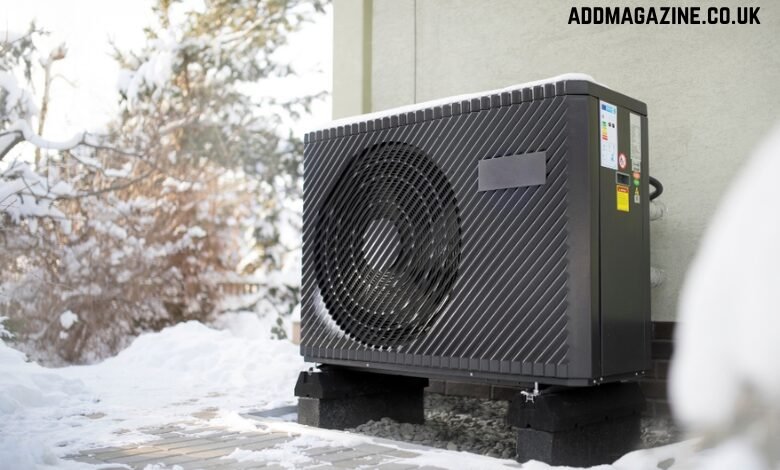
Heat pumps operating in heating mode naturally accumulate ice on outdoor coils during certain weather conditions. Normal defrost cycles remove this ice automatically, but when defrost systems malfunction, ice accumulation becomes excessive and interferes with system operation.
Defrost system problems include failed sensors, malfunctioning control circuits, and refrigerant system issues that prevent proper defrost cycle initiation or completion. These problems create conditions where ice continues to build up on outdoor coils, blocking airflow and reducing heating capacity.
Defrost Control System Malfunctions
Defrost controls monitor outdoor coil temperature and system operating conditions to determine when defrost cycles are needed. When these controls fail, the system may not initiate defrost cycles when required or may run defrost cycles too frequently, wasting energy and reducing heating performance.
Temperature sensors specifically designed for defrost control can fail due to moisture exposure, physical damage, or electrical problems. These sensors provide critical feedback about outdoor coil conditions and system performance during heating operation.
Refrigerant System Impact on Defrost Performance
Low refrigerant levels or refrigerant system restrictions affect defrost cycle performance by preventing adequate heat transfer to outdoor coils during defrost operation. The system may attempt defrost cycles but cannot generate sufficient heat to remove ice accumulation effectively.
Reversing valve problems also impact defrost performance since these valves control refrigerant flow direction during heating and defrost modes. When reversing valves malfunction, the system cannot switch properly between heating and defrost operation, leading to ice buildup and reduced performance.
Energy Consumption Increases Signal Efficiency Loss
Heat pump efficiency naturally varies with outdoor temperature conditions, but significant increases in energy consumption often indicate developing mechanical problems that reduce system efficiency and increase operating costs.
Monitoring energy consumption patterns helps identify gradual performance deterioration that may not produce obvious symptoms initially. Systems experiencing refrigerant leaks, component wear, or control problems typically show increased energy usage before other symptoms become apparent.
Component Wear Impact on System Efficiency
Compressor wear reduces pumping efficiency, forcing the system to operate longer to achieve desired heating or cooling output. This increased runtime translates directly into higher energy consumption and accelerated wear on other system components.
Fan motor problems also affect efficiency by reducing airflow through heat exchanger coils. When airflow decreases, the system must work harder to transfer heat effectively, resulting in increased energy consumption and reduced comfort performance.
System Imbalance Effects on Energy Usage
Refrigerant system problems, including leaks, restrictions, or contamination, create operating conditions where the heat pump cannot achieve optimal efficiency. The system compensates by running longer cycles or operating at higher pressures, both of which increase energy consumption significantly.
Control system malfunctions can also increase energy usage by preventing the heat pump from operating at optimal efficiency points. These problems may cause the system to operate in less efficient modes or prevent proper capacity modulation based on actual heating and cooling demands.
Strange Odors Indicate Electrical or Mechanical Problems
Heat pumps should operate without producing noticeable odors during normal operation. When unusual smells develop, they typically indicate specific problems that require immediate attention to prevent system damage or safety hazards.
Electrical odors, including burning smells or ozone-like scents, often indicate overheating components, damaged wiring, or electrical arcing within the system. These conditions create fire hazards and can cause extensive system damage if not addressed promptly.
Electrical System Warning Signs
Overheating electrical components produce distinctive burning odors that become more apparent during system operation. These odors may indicate loose electrical connections, overloaded circuits, or failing electrical components that draw excessive current.
Motor problems, including failing windings or bearing lubrication breakdown, also produce characteristic odors that indicate immediate attention is required. These problems can lead to motor failure and require emergency repairs during peak demand periods.
Mechanical Component Deterioration Indicators
Refrigerant leaks sometimes produce chemical odors, particularly when refrigerant contacts hot surfaces or electrical components. These odors indicate system leaks that reduce performance and may create safety concerns in enclosed spaces.
Lubrication breakdown in mechanical components can also produce unusual odors as lubricants overheat or become contaminated. These conditions accelerate component wear and increase the likelihood of mechanical failures during system operation.
Conclusion
Identifying heat pump problems before they escalate into emergency situations requires attention to subtle changes in system performance, energy consumption, and operating characteristics. The seven warning signs discussed represent common indicators of developing problems that can compromise system reliability during critical weather periods.
Facility managers and property owners who monitor these warning signs can schedule preventive maintenance during optimal conditions rather than responding to crisis situations during peak demand periods. Early intervention typically results in lower repair costs, reduced system downtime, and improved long-term reliability.
Professional diagnosis and repair of heat pump problems requires specialized knowledge of refrigerant systems, electrical controls, and mechanical components. Attempting to address these issues without proper training and equipment often leads to additional problems and safety hazards that compound the original issues.