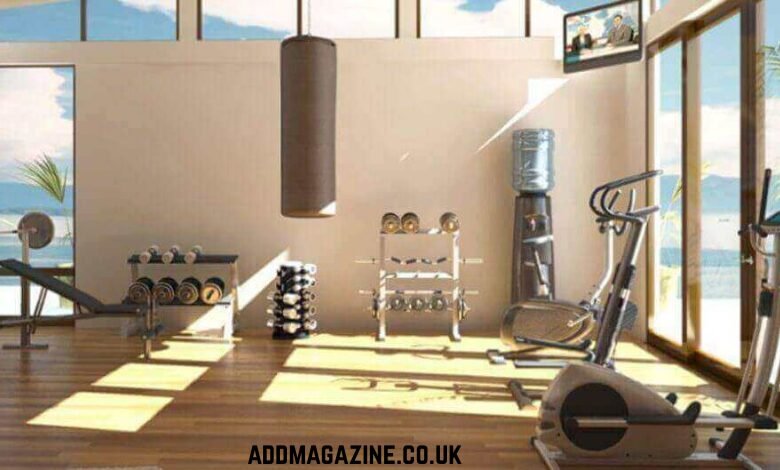
Not long ago, heading to the gym was just what you did to get in shape. These days? The story’s different. More folks are carving out a little space at home and skipping the drive to a commercial gym entirely.
The home fitness trend is really about convenience, stretching your dollar, and having the freedom to exercise your way. You can fit in a workout whenever you like—no need to worry about closing times, crowded machines, or those monthly fees that seem to sneak up on you.
Honestly, this shift gained real momentum during the pandemic and just kept rolling. Maybe you’re thinking about building your own home gym, or maybe you’re just curious why so many people are making the leap. Either way, knowing the actual perks might help you figure out what suits your goals best.
Key Reasons People Prefer Home Gyms
Home gyms offer some pretty appealing benefits. For a lot of us, it’s about saving time, cutting costs, and having a spot that feels like it’s truly ours.
Convenience and Flexibility
With a home gym, you’re on your own schedule. No more packing a bag, driving across town, or waiting around for someone to finish with the dumbbells. Your space is just… there, whenever you want it.
This flexibility really matters if your days are unpredictable. Maybe you squeeze in a workout at sunrise, or maybe it’s late at night when the house is finally quiet. Even if you only have 20 minutes, you can get moving—no commute, no wasted time.
Think about all those minutes lost driving to and from the gym. Most people spend 15-30 minutes just getting there and back. That’s time you could use for, well, pretty much anything else.
Long-Term Cost Savings
Sure, setting up a home gym costs something upfront, but it pays off. Gym memberships can run you $30 to $100 a month. That’s $360 to $1,200 a year—yikes.
Basic equipment for home might cost $500 to $2,000. After a couple of years, you’ve probably broken even. After that? You’re saving money every month.
And it’s not just the membership. There’s gas, parking, maybe even new workout gear if you feel like you need to look a certain way at the gym. Those “extras” can really add up.
Personalized Workout Spaces
Your home gym is yours, period. You get to pick the equipment that actually fits your workouts, not just what a commercial gym happens to have.
Love lifting? Invest in a solid barbell and some plates. Prefer bodyweight stuff? You can keep it simple. There’s no need to pay for fancy machines you’ll never use.
And you control everything else, too. Play your music loud, keep it cool or warm, and set things up just how you like.
Privacy and Comfort
Working out at home means nobody’s watching you try new moves or struggle through that last set. That privacy can make it easier to relax and focus.
No crowds, no waiting for machines, no feeling awkward about your fitness level. Wear whatever you want, experiment with new exercises, and forget about what anyone else thinks.
Honestly, when you feel comfortable, you’re just more likely to keep showing up. That’s half the battle, right?
Comparing Home Gyms to Traditional Gyms
With a home gym, you work out on your time—no commutes, no set hours. Your own equipment stays as clean as you want it, while gyms have to juggle cleaning rules that depend on where you live.
Time Management Benefits
Working out at home means you skip the commute. That’s 15-30 minutes you get back every single workout, which adds up fast.
You’ve got total access, day or night. Whether you’re up before dawn or squeezing in a session after everyone’s asleep, your gym’s always open. Most commercial gyms can’t say the same.
No lines for the squat rack, no hovering for a bench—your setup is always ready.
That kind of flexibility just makes it easier to stick with your plan. When it’s simple to work out, you’re way more likely to keep at it.
Sanitation and Safety Considerations
At home, you know exactly who’s using your stuff and how clean it is. You can wipe things down after every workout, with whatever products you like.
Gyms see dozens, sometimes hundreds, of people every day. Sure, there’s cleaning staff and disinfectant wipes, but you’re counting on everyone to do their part—and let’s be honest, not everyone does.
What you control at home:
- Who touches your equipment
- Air flow and ventilation
- Your own hygiene standards
Interest in home gyms really took off during COVID-19, when nobody wanted to share equipment. And for a lot of people, that concern hasn’t gone away.
Equipment Selection Differences
Traditional gyms? Yeah, they’ve got a ton of equipment—rows of cardio machines, cable setups, free weights that go way heavier than most people ever need, and machines targeting every muscle group you can think of.
Setting up a home gym is a different story. You’re limited by your wallet and, honestly, how much space you can spare. Most folks start simple: a couple of dumbbells, maybe a bench, resistance bands, or a squat rack if they’re feeling ambitious. Realistically, you’ll probably have a dozen or so pieces, not the sea of options you see at commercial gyms.
On the bright side, you get to customize everything. Buy only what fits your style. If you love strength training, you’ll likely grab barbells and plates. If yoga’s more your thing, you’ll go for mats, blocks, maybe some stretching gear.
Home gear means paying upfront, but you skip those never-ending monthly fees. Good equipment should last for years if you take care of it. Meanwhile, gym memberships keep charging you—whether you show up or not. Funny how that works.