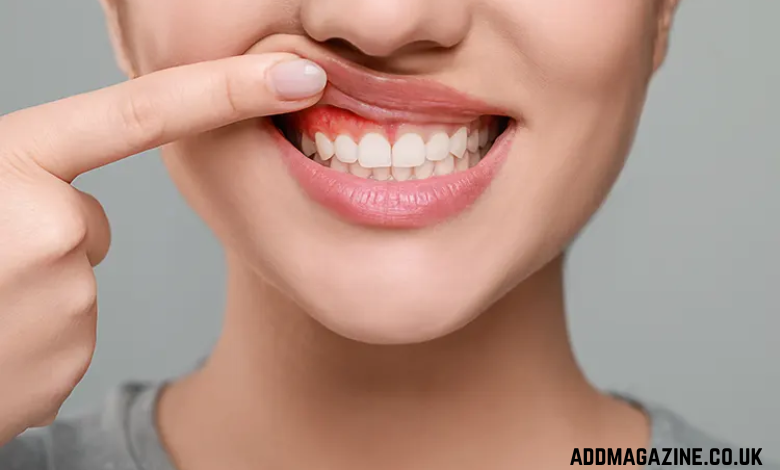
Gum pain between visits feels unfair. You follow the rules, yet your gums swell, bleed, or throb without warning. These flare ups are not random. They often come from small daily habits that stack up and irritate tender tissue. Some triggers hide in your pantry. Others sit in your bathroom. A few live in your daily stress. When you know what sparks these episodes, you can break the cycle and protect your mouth. You also enhance the effectiveness of every visit to a periodontist in Thousand Oaks, CA, for better results. This guide explains six common triggers that inflame gums between checkups. You will see what to watch for, what to stop, and what to change today. You do not need special tools. You need clear steps and honest facts. Your gums can calm down. Your next visit can feel less scary and more like routine care.
1. Skipping or Rushing Daily Cleaning
Gum tissue reacts fast to plaque. When you skip brushing or flossing, a sticky film coats the teeth near the gumline. That film holds bacteria. Your body fights back. Gums swell and bleed.
You lower this risk when you:
- Floss once each day, sliding gently under the gum edge
The Centers for Disease Control and Prevention explains that poor daily cleaning is linked to higher gum disease. Consistent care keeps bacteria low between visits.
2. Using Harsh Products On Sensitive Gums
Some mouth products promise strong results. Strong is not always kind. Alcohol rinses, stiff brushes, and whitening pastes can scrape or dry gums. Irritated tissue swells and hurts. Tiny cuts allow more bacteria to enter.
You can protect your gums when you:
- Choose a soft bristle brush
- Pick toothpaste with fluoride and low foam
- Use an alcohol free rinse if your gums burn
If a product stings or leaves your mouth sore, stop it. Then switch to gentle options. You do not need force. You need steady care.
3. Food and Drink That Aggravate Gums
Some food and drink cling to teeth. Some scratch or burn tissue. Together they raise the chance of flare-ups.
| Trigger | How It Hurts Gums | Better Choice |
|---|---|---|
| Sugary drinks and candy | Feed bacteria that cause swelling and bleeding | Water, milk, whole fruit |
| Sticky snacks like gummies | Stay on teeth and gumline for hours | Nut butter on apples, cheese, yogurt |
| Hard chips and crusty bread | Scratch gum tissue and trap crumbs | Softer whole grains and baked snacks |
| Very hot or spicy food | Inflames already tender gums | Mild seasonings and warm, not boiling, food |
You do not need a perfect diet. You only need fewer sugary and sticky choices. You also help your gums when you drink water after meals and snacks.
4. Tobacco, Vaping, and Alcohol
Tobacco smoke, chewing tobacco, and vaping expose gums to heat and chemicals. These irritants slow healing. They also hide early warning signs. Gums may not bleed even when the disease grows.
Alcohol adds more strain. Strong drinks dry the mouth.
You protect your gums when you:
- Quit smoking or vaping
- Avoid smokeless tobacco
- Limit alcohol and sip water between drinks
The National Institute of Dental and Craniofacial Research links tobacco use to higher gum disease and tooth loss. Change here brings strong relief over time.
5. Hormone Shifts And Certain Medicines
Body chemistry affects gum response. Life stages like puberty, pregnancy, and menopause can make gums more reactive. Even normal plaque sparks stronger swelling.
Certain medicines do the same. Some cause dry mouth. Others cause gum overgrowth. Both raise the chance of flare-ups.
You can manage this when you:
- Tell your dental team about all medicines
- Share hormone changes, pregnancy, or nursing
- Use sugar-free gum or lozenges if dry mouth appears
Your provider may adjust visits or cleanings. Extra checks catch small changes before they turn into deep infection.
6. Stress, Poor Sleep, and Teeth Grinding
Stress does not stay in your mind. It reaches your mouth. High stress and poor sleep weaken your body’s defenses. Gums swell faster. Healing slows.
Many people also clench or grind their teeth during stress. This pressure bruises the ligaments that hold teeth. Gums near those teeth feel sore and puffy.
You can lower this trigger when you:
- Practice simple breathing or stretching each day
- Aim for a regular sleep schedule
Small steps here protect both your gums and your jaw.
When To Call Between Visits
Some flare-ups need quick care.
- Gum pain that lasts more than three days
- Swelling in one spot or along the jaw
- Pus, a bad taste, or new loose teeth
- Fever or trouble chewing
Early help can stop a deep infection. It can also prevent tooth loss.
Small Changes, Calmer Gums
Gum flare-ups feel sudden. They grow from daily patterns. When you clean gently, choose kinder food, avoid tobacco, share medicine changes, and manage stress, you give your gums a chance to settle.
You do not need perfect habits overnight. You only need to pick one change and start today. Then you can walk into your next visit with less fear and more control over your own mouth.