
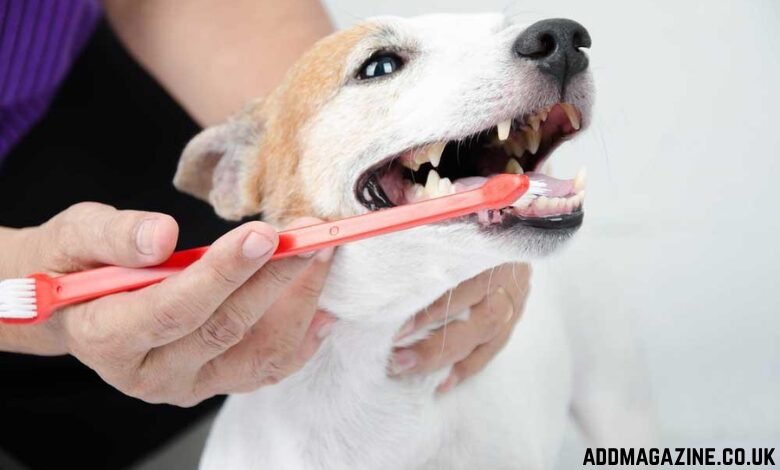
Healthy teeth keep animals eating, playing, and resting without pain. You might not see early mouth disease in your pet. Yet it grows under the gums and spreads through the body. Regular dental cleanings in an animal hospital stop this silent damage. They clear hard plaque. They protect the heart, kidneys, and liver from infection that starts in the mouth. Many pets hide pain. You may only notice bad breath or small changes in mood. That is why you need trained staff, safe tools, and clear steps for care. An animal clinic in Clifton, VA can guide you on how often your pet needs a cleaning. It depends on age, breed, and health history. During a cleaning, the team checks every tooth. They treat trouble early. You leave with a plan for brushing, diet changes, and follow up visits that protect your pet for years.
Why Mouth Health Matters For Your Pet
Mouth disease does not stay in the mouth. Bacteria enter the blood through sore gums. Then they reach the heart, lungs, kidneys, and joints. The damage builds over time and often goes unseen.
You protect your pet when you keep the mouth clean. You lower the risk of:
- Heart valve infection and strain on the heart
- Kidney and liver stress from constant bacteria
- Chronic pain that changes mood and sleep
The American Veterinary Medical Association explains that most dogs and cats show some mouth disease by age three.
Hidden Signs Your Pet Needs A Dental Cleaning
Pets often stay quiet when they are hurt. You watch for small signs. These changes often mean it is time for a dental exam and cleaning.
- Bad breath that does not fade after diet changes
- Yellow or brown buildup on teeth
- Red, swollen, or bleeding gums
- Dropping food or chewing on one side
- Pawing at the mouth or face
- Less interest in toys or hard treats
- Weight loss or slow eating
Early care costs less and causes less stress. You avoid extractions and long recovery when you act at the first sign of trouble.
What Happens During A Dental Cleaning In An Animal Hospital
A hospital cleaning is more than a quick polish. It is a full health check for the mouth and nearby tissue. Staff use trained eyes and tools to find hidden disease.
Here is what you can expect.
- Pre exam. The team reviews history and checks the heart, lungs, and mouth.
- Blood work. Staff confirm that anesthesia is safe for your pet.
- Anesthesia. Your pet rests so the team can clean under the gums without fear or pain.
- X rays. Images show root damage and bone loss that you cannot see.
- Scaling. Staff removes hard tartar above and below the gum line.
- Polishing. Teeth get smooth, so plaque sticks less in the future.
- Fluoride or sealant. The team may place a coating to slow plaque buildup.
- Treatment. Staff pull teeth that cannot be saved and treat infection.
- Recovery. Your pet wakes in a quiet space while staff watches closely.
The American Veterinary Dental College explains the need for anesthesia during proper cleanings.
How Often Does Your Pet Need Dental Cleaning
The right schedule depends on age, size, breed, and health. Some pets need yearly cleanings. Others need them every six months. A few can wait longer with strong home care and clean genetics.
The table shows general guidance. Your veterinarian sets the final plan for your pet.
| Pet Type | Age Group | Risk Level | Typical Cleaning Frequency |
|---|---|---|---|
| Small dog under 20 lb | Under 5 years | High | Every 6 to 12 months |
| Small dog under 20 lb | Over 5 years | Very high | Every 6 months |
| Medium or large dog | Under 5 years | Medium | Every 12 months |
| Medium or large dog | Over 5 years | High | Every 6 to 12 months |
| Cat | Under 5 years | Medium | Every 12 months |
| Cat | Over 5 years | High | Every 6 to 12 months |
This chart gives a starting point. Your pet may need more frequent care if there is diabetes, kidney disease, immune problems, or a strong family history of mouth disease.
Home Care That Supports Professional Cleanings
Hospital care and home care work together. You can slow plaque and reduce pain between visits with three steady steps.
- Daily brushing. Use a pet-safe toothpaste and a soft brush. Start with short sessions. Stop if your pet struggles and try again later.
- Approved dental treats and diets. Ask your veterinarian about products on the Veterinary Oral Health Council list. These help reduce plaque.
- Regular mouth checks. Lift the lip each week. Look for red gums, loose teeth, or sores.
You build trust when you handle the mouth gently. Your pet learns that care is safe. That makes future exams easier for everyone.
How To Prepare Your Pet For A Dental Visit
You lower stress when you plan ahead. You can take three simple steps before the cleaning day.
- Schedule a pre-visit exam. Confirm vaccines and discuss history, medicine, and past reactions.
- Follow fasting instructions. The team will tell you when to stop food and water before anesthesia.
- Plan recovery at home. Set up a quiet room with soft bedding and easy access to water.
After the visit, your pet may eat soft food for a few days. Then you call the clinic if anything worries you.
Protecting Your Pet’s Future Health
Untreated mouth disease steals years from your pet. It wears down organs and drains energy. Cleanings in an animal hospital stop that process. They remove infection, ease pain, and restore comfort.
You do not need to wait for bad breath or loose teeth. You can ask for a dental check at the next wellness visit. You can set a clear schedule. You can follow simple home steps.
Steady dental care is one of the strongest ways you protect that trust and guard a healthy life.