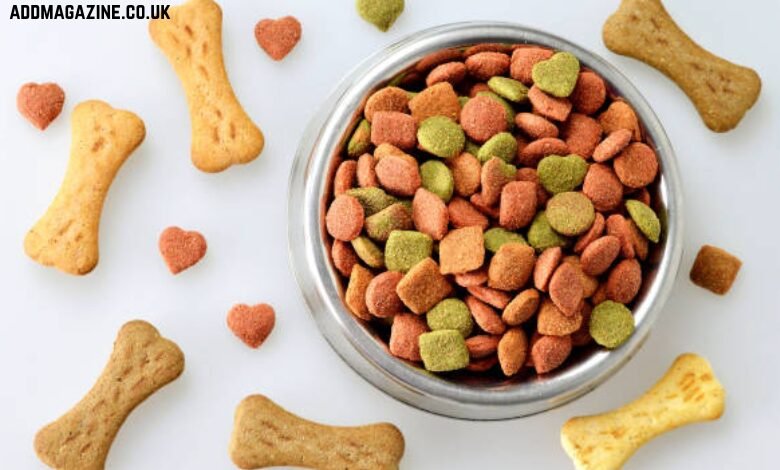
The nutritional demands of working dogs differ substantially from those of companion animals. Whether your dog competes in agility, works as a service animal, or participates in field trials, their diet must support elevated energy expenditure whilst maintaining lean muscle mass and optimal health. Understanding these requirements is not merely about feeding more food—it involves precisely calibrating macronutrients to match the specific demands of canine athletic performance.
Understanding Energy Requirements for Working Dogs
Working dogs require significantly more energy than their sedentary counterparts. According to research published by VCA Animal Hospitals, dogs engaged in performance activities need 1.5 to 2.5 times the calorie intake of pet dogs of equivalent weight. However, this is not a universal multiplier—the energy requirements vary based on the type, duration, and intensity of work.
Agility dogs present a unique nutritional challenge. Unlike endurance athletes such as sled dogs, agility competitors perform short bursts of explosive activity. A study published in PMC examining North American agility dogs found that these athletes require two to three times the calories of typical house dogs during training and competition periods. Yet, as PrimaDog notes, dogs active for 2-3 hours daily need only 10-50% more energy than moderately active dogs. When high-energy activities exceed three hours daily, requirements can increase by 50-100%.
Calculating Daily Energy Needs
The UK Pet Food organisation recommends using the Predictive Equations from the National Research Council to estimate Metabolisable Energy requirements. The calculation begins with Resting Energy Requirement (RER):
RER = 70 × (weight in kg)^0.75
This base figure represents the calories needed for essential body functions at rest. For working dogs, this is then multiplied by an activity factor ranging from 2.0 for moderate work to 4.0 for extreme endurance activities. Agility dogs typically fall within the 2.0-3.0 range, depending on training intensity and competition schedules.
| Activity Level | Energy Multiplier | Example Activities |
|---|---|---|
| Light work (1 hour/day) | 1.6-2.0 × RER | Occasional agility training, light herding |
| Moderate work (2-3 hours/day) | 2.0-3.0 × RER | Regular agility competition, working trials |
| Heavy work (4-6 hours/day) | 3.0-4.0 × RER | Search and rescue, intensive herding |
| Extreme work (8+ hours/day) | 4.0-6.0 × RER | Sled racing, extended field work |
It is essential to adjust feeding quantities based on body condition scoring rather than relying solely on calculations. Dogs should maintain lean body mass without visible rib prominence, and owners should monitor weight weekly during training periods.
Protein Requirements for Muscle Maintenance and Recovery
Muscle power in canine athletes depends fundamentally on adequate protein intake. According to Today’s Veterinary Practice, agility dogs should receive dry food containing approximately 25-30% protein to provide energy and amino acids for muscle recovery after strenuous activity. Dogs that do not receive sufficient dietary protein may experience fatigue, lacklustre performance, and prolonged recovery times.
Protein quality matters as much as quantity. Dogs require 10 essential amino acids that cannot be synthesised by their bodies. The AAFCO (Association of American Feed Control Officials) and FEDIAF (European Pet Food Industry Federation) set minimum standards for these amino acids in complete and balanced pet foods. For active dogs, choosing freeze-dried raw dog food can help provide quality protein while supporting muscle maintenance and recovery.
Plant-Based Protein Sources for Working Dogs
Whilst traditionally associated with meat-based diets, working dogs can thrive on plant-based protein sources when properly formulated. A 2025 study published in PLOS One demonstrated that dogs maintained clinical, nutritional, and hematological health outcomes when fed a commercial plant-based diet for one year. Remarkably, research on sled dogs—amongst the most demanding canine athletes—showed these animals maintained hematological parameters and high performance when fed a custom-made meat-free diet.
The key concern with plant-based proteins is ensuring complete amino acid profiles. Legumes such as peas, lentils, and chickpeas provide substantial protein but contain limited amounts of certain essential amino acids, particularly methionine and cysteine. Quality plant-powered dog food They tackle this by carefully balancing ingredients and, when required, adding specific amino acids to comply with AAFCO and FEDIAF nutritional guidelines.
According to research published in the British Journal of Nutrition, plant-based diets positively affect aerobic performance without compromising strength or power performance. A dose of plant protein offering sufficient essential amino acids, particularly leucine, consumed over 8-12 weeks stimulates adaptations similar to those seen with animal protein sources.
Fat Content and Energy Density
Fat serves as the primary energy substrate for working dogs, providing more than twice the caloric density of protein or carbohydrates (9 kcal/g versus 4 kcal/g). Cornell University College of Veterinary Medicine recommends that performance dog diets contain a minimum of 60g fat per 1000 kcal.
For agility-specific diets, fat content should typically range between 12-20%. The distinction arises from the nature of the activity: agility requires explosive power and quick recovery between runs rather than sustained energy output over hours. Excessive fat in agility dog diets can lead to weight gain during off-season periods and does not provide the rapid energy release needed for short, intense bursts of activity.
| Dog Type | Recommended Fat Content | Reasoning |
|---|---|---|
| Sedentary companion | 8-12% | Minimal energy needs, weight management priority |
| Agility competitor | 12-17% | Supports explosive activity without excess calories |
| Working trial dog | 15-20% | Balanced for mixed endurance and power activities |
| Sled dog/endurance athlete | 20-30% | Maximum energy density for sustained output |
A critical consideration is the introduction of higher-fat diets. As VCA Animal Hospitals warns, sudden increases in dietary fat content can trigger acute pancreatitis. When transitioning working dogs to higher-fat performance diets, owners should implement gradual changes over 7-14 days, mixing increasing proportions of the new food with the previous diet.
Essential Fatty Acids and Inflammation Management
Beyond energy provision, fat supplies essential fatty acids that dogs cannot synthesise. Omega-3 fatty acids, particularly EPA and DHA, play vital roles in managing exercise-induced inflammation and supporting joint health in working dogs. Whilst traditionally derived from fish oil, research indicates that algae-based omega-3 sources provide equivalent benefits without the environmental and sustainability concerns associated with marine harvesting.
Carbohydrates: The Misunderstood Macronutrient
Carbohydrates have historically been undervalued in canine nutrition, yet they serve essential functions for working dogs. Unlike endurance athletes that rely predominantly on fat metabolism, agility dogs utilise glycogen stores for rapid energy release during explosive activity. According to AgilityNet, agility dogs benefit from diets containing 40-50% carbohydrates on a dry matter basis.
Carbohydrates serve several functions beyond immediate energy:
- Glycogen replenishment: Dogs competing multiple runs in a single day deplete glycogen stores that must be rapidly restored between performances
- Protein sparing: Adequate carbohydrate intake prevents the body from converting protein to glucose, preserving amino acids for muscle maintenance and repair
- Digestive health: Complex carbohydrates provide fibre that supports gastrointestinal function and helps maintain healthy gut microbiota
- Sustained energy: Unlike simple sugars that cause energy spikes and crashes, complex carbohydrates provide steady glucose release
Is Carbohydrate or Fat More Beneficial?
Agility dogs performing short, intense efforts benefit from carbohydrate-rich diets that support rapid glycogen turnover. Endurance athletes working for extended periods rely more heavily on fat metabolism. Many working dogs fall somewhere between these extremes and thrive on moderate carbohydrate and fat levels.
| Nutrient | Agility Dogs | Endurance Dogs | Mixed Work |
|---|---|---|---|
| Protein | 25-30% | 24-30% | 25-30% |
| Fat | 12-17% | 20-30% | 15-20% |
| Carbohydrates | 40-50% | 30-40% | 35-45% |
| Calories per cup | 300-400 kcal | 450-550 kcal | 350-450 kcal |
These percentages are calculated on a dry matter basis, meaning after moisture is removed from the calculation, providing accurate comparisons between wet and dry food formulations.
Hydration and Electrolyte Balance
Whilst not a macronutrient, hydration profoundly impacts working dog performance. Dogs cannot sweat efficiently and rely primarily on panting for thermoregulation. During intense activity, working dogs can lose substantial fluid and electrolytes through respiratory water vapour loss and increased saliva production.
AgiNotes recommends that agility handlers provide fresh water between runs and monitor intake throughout training sessions. Dogs should drink approximately 50-60ml of water per kilogram of body weight daily under normal conditions, with requirements increasing by 50-100% during intense training or competition.
Signs of dehydration include:
- Tacky or dry gums
- Delayed skin tent return (when skin is gently lifted, it does not immediately return to normal position)
- Sunken eyes
- Lethargy and reduced performance
- Dark, concentrated urine
Electrolyte supplementation is typically unnecessary for dogs working less than two hours per session, as commercial complete and balanced diets provide adequate sodium, potassium, and chloride. However, dogs competing in hot conditions or multiple runs daily may benefit from electrolyte-enhanced water or recovery supplements.
Micronutrients Critical for Working Dogs
Whilst macronutrients provide the foundation of working dog nutrition, micronutrients support numerous physiological processes essential for peak performance. Several vitamins and minerals warrant particular attention in athletic canines.
B Vitamins and Energy Metabolism
The B-vitamin complex plays essential roles in energy metabolism. Thiamine (B1), riboflavin (B2), and niacin (B3) serve as cofactors in the biochemical pathways that convert carbohydrates, fats, and proteins into usable energy. According to the Merck Veterinary Manual, working dogs have elevated B-vitamin requirements compared to sedentary animals due to increased metabolic demands.
Vitamin B6 (pyridoxine) deserves special mention for dogs fed plant-based diets. This vitamin is essential for synthesising taurine from the amino acids methionine and cysteine. Taurine, whilst not an essential amino acid for most dogs (as they can synthesise it), has been linked to dilated cardiomyopathy when deficient. Research published in PMC exploring taurine levels in English Cocker Spaniels found that certain breeds may have limited synthesis capacity, and plant-based diets should ensure adequate precursor amino acids and vitamin B6 to support taurine production.
Antioxidants and Exercise-Induced Oxidative Stress
Intense physical activity generates reactive oxygen species (free radicals) that can damage cellular structures. Antioxidant nutrients help neutralise these compounds and support recovery. Key antioxidants for working dogs include:
- Vitamin C: Whilst dogs synthesise their own vitamin C, supplementation may benefit dogs under high physical stress
- Selenium: Works synergistically with vitamin E to neutralise free radicals
- Carotenoids: Plant pigments that provide antioxidant protection
Feeding Strategies for Competition Days
The timing and composition of meals around training and competition significantly impact performance. Feeding strategies that work well for companion animals can be counterproductive for working dogs.
Pre-Competition Feeding
Dogs should receive their main meal 3-4 hours before competition to allow adequate digestion. Feeding too close to performance increases the risk of gastric dilatation-volvulus (bloat) and diverts blood flow to the digestive system rather than working muscles. The pre-competition meal should emphasise easily digestible carbohydrates and moderate protein whilst limiting fat, which slows gastric emptying.
Some handlers provide a small snack 30-60 minutes before the first run—typically a few biscuits or a small amount of easily digestible food—to provide a final energy boost without burdening the digestive system.
Post-Competition Recovery
Recovery nutrition focuses on three objectives: rehydrating, replenishing glycogen stores, and providing amino acids for muscle repair. Dogs should have access to fresh water immediately after competing, offered in small amounts initially to prevent overconsumption that might trigger vomiting.
Within 30-60 minutes of finishing competition, working dogs benefit from a small recovery meal or snack that combines rapidly absorbed carbohydrates with quality protein. This timing coincides with the “metabolic window” when muscles are most receptive to glycogen replenishment and protein synthesis. The main evening meal can then be fed 2-3 hours later once the dog has fully settled.
Common Nutritional Mistakes
Even experienced handlers sometimes make feeding errors that compromise working dog performance. Understanding these pitfalls helps optimise nutritional strategies.
Overfeeding During Off-Season
Maintaining competition body condition year-round is unnecessary and potentially harmful. Many working dogs benefit from carrying slightly more body fat (but not excess weight) during off-season months. However, continuing to feed competition-level calories during reduced training creates obesity risk. Handlers should reduce daily calories by 20-30% during off-season whilst maintaining protein levels to preserve muscle mass.
Inadequate Protein Quality
High protein percentages do not guarantee adequate nutrition if the protein source lacks complete amino acid profiles or has poor digestibility. According to AAFCO guidelines, protein quality is as important as quantity. Working dogs need highly digestible protein sources that provide all essential amino acids in appropriate ratios.
Inconsistent Feeding Schedules
Dogs thrive on routine, and digestive systems function optimally when fed at consistent times. Irregular feeding schedules can disrupt metabolism, affect energy availability during training, and increase stress levels. Working dogs should receive meals at approximately the same times daily, adjusted around training and competition schedules.
Neglecting Individual Variation
Nutritional guidelines provide starting points, but individual dogs vary considerably in their requirements. Factors affecting individual needs include:
- Metabolism: Some dogs naturally burn calories more efficiently than others
- Body composition: Dogs with greater lean muscle mass have higher metabolic rates
- Temperament: Anxious or reactive dogs expend more energy than calm individuals
- Environmental temperature: Dogs working in cold conditions require more calories for thermoregulation
- Training intensity: Requirements fluctuate based on current training volume and intensity
Handlers should monitor body condition weekly and adjust feeding quantities to maintain optimal weight and muscle definition. The ribs should be easily felt but not visibly prominent, and the dog should show a defined waist when viewed from above.
Age Considerations for Working Dogs
Nutritional requirements evolve throughout a working dog’s career, and feeding strategies should adapt accordingly.
Young Dogs in Training
Dogs beginning agility or work training before reaching full physical maturity (typically 12-18 months, depending on breed) face unique nutritional challenges. These individuals require nutrients for both growth and increased activity. Prematurely switching young dogs to adult maintenance or performance formulas can compromise skeletal development.
Young working dogs should remain on growth formulas that meet AAFCO or FEDIAF standards for “growth and reproduction” until they reach at least 90% of expected adult size. Handlers can increase feeding quantities to support training demands whilst maintaining the nutrient profile designed for developing bones and joints.
Senior Working Dogs
Many working dogs remain active well into their senior years, but age-related changes affect nutritional needs.
Senior working dogs typically benefit from:
- Highly digestible protein sources to compensate for reduced digestive efficiency
- Moderate protein levels (22-26%) to support muscle maintenance without overburdening aging kidneys in dogs with compromised renal function
- Joint support nutrients such as glucosamine, chondroitin, and omega-3 fatty acids
- Reduced calorie density if activity levels decline whilst maintaining nutrient concentration to prevent deficiencies from smaller meal volumes
Frequently Asked Questions
How much more should I feed my agility dog compared to a pet dog?
The increase depends on training intensity and frequency. Dogs training 2-3 hours daily typically require 50-100% more calories than sedentary dogs of equivalent size. Calculate your dog’s Resting Energy Requirement using the formula RER = 70 × (weight in kg)^0.75, then multiply by an activity factor of 2.0-3.0 depending on training intensity. Monitor body condition weekly and adjust feeding quantities to maintain lean muscle without visible rib prominence.
Can working dogs get adequate protein from plant-based sources?
Research demonstrates that working dogs can thrive on properly formulated plant-based diets. A study published in PLOS One found that dogs maintained health markers and performance on commercial plant-based food for one year, whilst research on sled dogs showed maintained performance on meat-free diets. The critical factor is ensuring complete amino acid profiles through strategic ingredient combinations and, where necessary, amino acid supplementation to meet AAFCO and FEDIAF standards for all 10 essential amino acids dogs require.
Should I feed my dog differently on competition days versus training days?
Yes, competition-day feeding requires specific timing strategies. Provide the main meal 3-4 hours before competition to allow digestion whilst preventing energy depletion. A small snack 30-60 minutes before competing can provide a final energy boost. Immediately after competition, offer fresh water in moderate amounts, followed by a small recovery meal combining carbohydrates and protein within 30-60 minutes. On training days without competition stress, normal feeding schedules can be maintained around training sessions.
What are the signs my working dog is not receiving adequate nutrition?
Warning signs include unexplained weight loss or gain, reduced performance or endurance, prolonged recovery between training sessions, lacklustre attitude or reduced enthusiasm for work, dull coat or skin issues, and digestive problems such as frequent loose stools. Dogs receiving inadequate protein may show muscle loss despite adequate calories, whilst insufficient energy intake causes weight loss and fatigue. Any persistent changes warrant veterinary assessment to rule out underlying health conditions and evaluate nutritional adequacy.
How do I transition my dog from regular food to a performance diet?
Abrupt diet changes can cause digestive upset and, in the case of high-fat diets, increase pancreatitis risk. Implement gradual transitions over 7-14 days by mixing increasing proportions of the new food with the current diet. Begin with 75% old food and 25% new food for 3-4 days, then move to 50:50 for 3-4 days, followed by 25% old and 75% new for 3-4 days before completing the transition. Monitor stools throughout the transition—firm, well-formed stools indicate successful adaptation, whilst persistent loose stools suggest the transition is progressing too quickly.