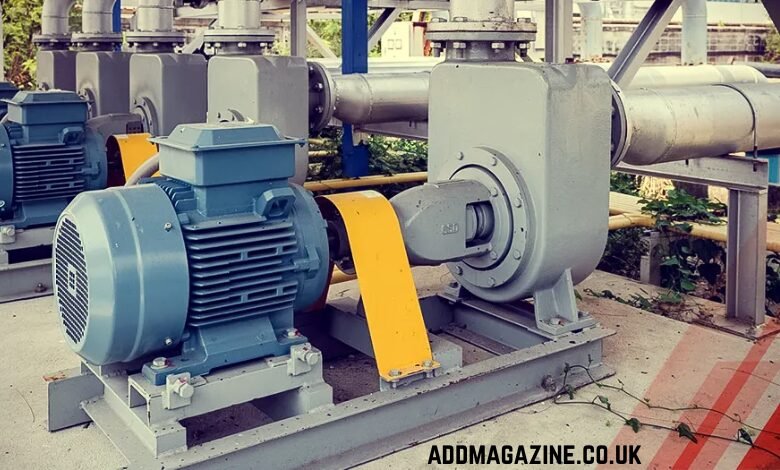
Industrial operations depend on reliable fluid management across diverse sectors, from oil and gas to food processing and pharmaceuticals. Today’s cutting-edge screw pump designs are making a substantial impact by merging versatility and precision. Among the most significant advancements is the twin screw pump, noted for its ability to handle a wide range of viscosities and challenging operational conditions with remarkable efficiency.
Performance Across Multiple Industries
High-performing fluid transfer isn’t limited by product type or process requirements. Modern screw pumps excel in hygienic applications, supporting clean-in-place (CIP) and sterilize-in-place (SIP) procedures that are essential for food, beverage, and pharmaceutical processing. In the chemical industry, these pumps transport both abrasive and shear-sensitive media, maintaining product integrity even under harsh conditions. Wastewater plants use the same technology to efficiently manage sludge and lime recirculation, minimizing downtime and maximizing throughput.
One standout feature is the pump’s ability to operate in both low- and high-viscosity environments without loss of effectiveness. With the unique intermeshing screw design, smooth, non-pulsating flow is achieved, reducing mechanical stress on system components and protecting delicate substances from degradation.
Modern Versatility and Gentle Fluid Handling
What sets twin screw pumps apart is their gentle action, which allows them to transfer products such as syrups, creams, and cell cultures while retaining their molecular integrity. This level of precision is vital for applications involving high-purity or temperature-sensitive materials. Industry professionals praise the capability to maintain fluid structure, making the technology indispensable in modern manufacturing and process operations.
The pump’s versatility is further enhanced by its ability to handle entrained gases without cavitation. This is particularly useful for processes that require de-aerated production, such as packaging or filling stations, and for vacuum application lines. Operators also benefit from reversible flow options, quick adaptability for process changes, and easy integration into complex systems—all supported by a compact footprint and simplified installation requirements.
Efficiency, Longevity, and Maintenance Benefits
Efficiency is at the core of screw pump advances, thanks to precision-engineered components that minimize internal losses and maximize energy transfer. These systems not only reduce operating costs by conserving energy but also help protect the environment through lower power consumption. Their self-priming ability and dry-running tolerance enable pumps to operate seamlessly during temporary process interruptions, safeguarding critical production lines.
Minimal mechanical contact between screws results in low wear, a longer pump lifespan, and reduced maintenance needs. As a result, industries enjoy fewer replacements and a lower overall cost of ownership. The adaptability of these pumps allows operators to precisely regulate flow rates through speed adjustments, supporting flexible, step-less control across different applications and process demands.
Future-Proofing Industrial Systems
The ability to handle aggressive, corrosive, or shear-sensitive fluids while delivering a reliable, gentle, and efficient operation means today’s screw pump technology sets the standard for future industrial growth. With reduced contamination risk, minimized downtime, and optimized performance, industrial facilities can meet stringent regulatory and quality standards while maximizing productivity.
As sectors continue to push boundaries and raise expectations for fluid handling, the twin screw pump remains a prime example of how advanced engineering translates into tangible operational advantages. From small-batch production to large-volume processing, the evolution of screw technology is producing safer, smarter, and more sustainable solutions across every facet of manufacturing and the process industries.