UroLift is a minimally invasive treatment option designed to treat lower urinary tract symptoms (LUTS) caused by Benign Prostatic Hyperplasia (BPH), or an enlarged prostate. Unlike traditional surgical procedures that involve cutting or removing prostatic tissue, UroLift aims to open the blocked urethra by lifting and holding the enlarged tissue out of the way.
The procedure offers significant symptomatic relief while preserving sexual function. Follow along to understand each stage of the process clearly and confidently.
Step 1: Initial Consultation and Assessment
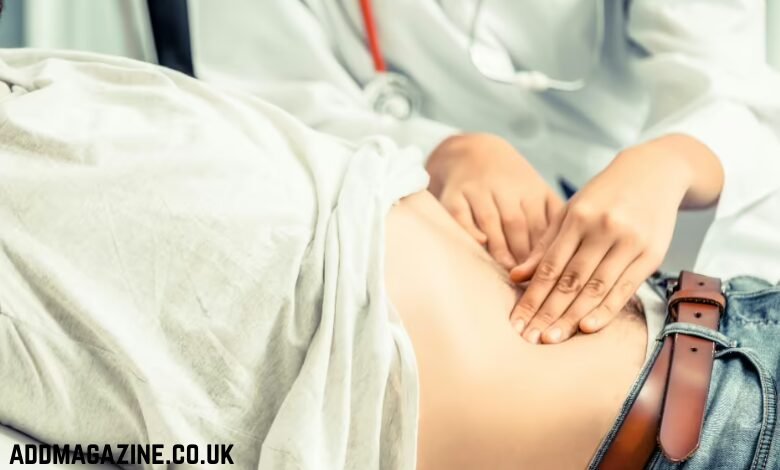
Your care usually begins with a detailed consultation where you explain your symptoms and how they affect you. Your clinician then reviews your medical history and may perform tests such as a urine check or bladder scan so they gain a clearer understanding of the underlying cause.
These steps help your specialist confirm that your symptoms might be linked to prostate enlargement rather than another concern. It also means your care plan is based on accurate findings, and this supports better decision-making throughout the process.
Step 2: Preparing for the Procedure
Once UroLift is agreed as a suitable option, your urologist explains how the procedure works and what you might feel on the day. Many patients appreciate the clear and steady approach taken, because preparation reduces anxiety.
You’ll usually receive guidance about eating, drinking and medications, and these instructions keep the procedure safe and comfortable for the patient. During this stage, your doctor will explain that the treatment is performed with a telescope-like device passed through the urethra, so there are no cuts on the outside of the body.
Step 3: What Happens During UroLift
The treatment itself is usually short, and many patients are surprised by how simple and easy it feels compared to what they expected. Your specialist places small implants that lift the prostate tissue away from the urethra, so urine can flow more easily. You might notice a brief sensation of pressure at times, although this tends to settle quickly.
Throughout the procedure, your clinician checks you’re comfortable and explains what is happening, so there are no surprises. This supportive approach will help you stay calm and confident while the treatment progresses.
Step 4: Immediate Recovery and Aftercare
After the procedure, you will rest for a short period as your care team monitors your comfort and checks you’re ready to go home. Some people notice mild burning or an increased urge to pass urine, but these sensations usually ease within a few days. Your specialist may give you personalised advice to help manage symptoms at home.
Most patients return to normal activities soon after because the procedure avoids cutting or heating tissue. However, your doctor might ask you to avoid heavy lifting for a short time so your body settles more comfortably.
Step 5: Follow-Up and Longer-Term Outcomes
Your clinician typically arranges a follow-up appointment so they can check your progress and address any questions. Many patients notice a steady improvement in urinary flow as the urethra remains open, although the timeline might differ from person to person.
These follow-up visits play an important part in your care because they allow your specialist to monitor your recovery closely and guide you through the next steps.
Conclusion: Is UroLift Right for You?
Understanding each stage of the UroLift treatment experience helps you feel more settled when planning your care. Now that you have a clearer picture of what the consultation involves, how the procedure works and what recovery might feel like, you can make a more confident decision.
If you think this treatment might suit you, speaking with a urology specialist ensures you receive guidance suited to your unique symptoms and overall health.