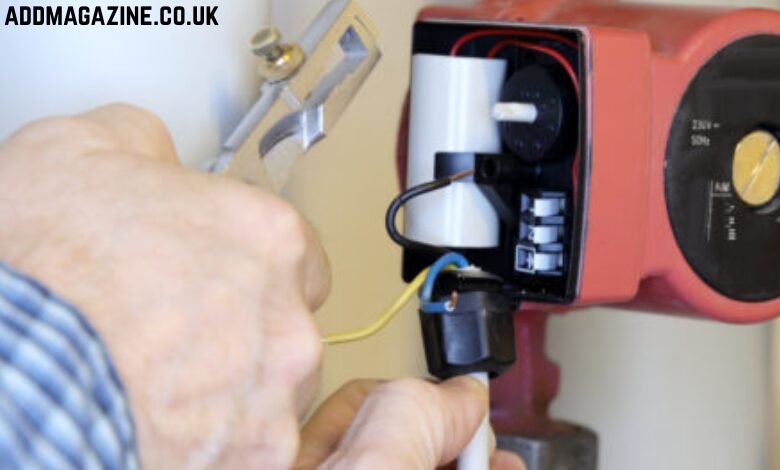
When a central-heating pump starts failing, it can look like lots of other boiler faults. Getting the diagnosis right saves time, parts and hassle, note Blue Chip Property Managers. Here’s how the pump fits into the picture – and the common traps to avoid
- What it does: Circulates heated water from the boiler through radiators and back again, keeping heat even around the property.
- Why it matters: Without a steady flow, some rooms never warm up, the boiler cycles on and off, and efficiency drops.
- When it struggles: Noisy running, radiators heating unevenly, frequent lock-outs, or a hot boiler with little heat at the rads can all point to a pump issue.
- Lifespan and upkeep: Wear to bearings, seals or capacitors builds over time; sludged up systems shorten service life. Correct sizing, clean water and regular servicing help.
- What to do next: Ask a Gas Safe registered engineer to confirm the fault before replacing the pump — and to flush or filter the system if sludge is present.
Benefits at a glance
Even heat across the house
A healthy, correctly sized pump keeps flow balanced so all radiators get their share.
Fewer boiler lock-outs
Good circulation helps temperature sensors read accurately, cutting nuisance shut-downs.
Quieter operation
Renewed pumps and clean water reduce cavitation and vibration noises.
Better efficiency
Stable flow helps the boiler condense as designed, improving day-to-day performance.
Common symptoms of a failing boiler pump
- Radiators are hot near the boiler but cool at the far end of the circuit
- Boiler overheats or cycles, but rooms stay cold
- Grinding, humming or rattling noises from the pump body
- Visible leaks or signs of corrosion around the pump unions
If you notice these, a Gas Safe registered engineer can test for airlocks, check pump head/speed settings, verify voltage to the pump and confirm whether boiler pump replacement or repair is the right call.
FAQs
Can a pump fault be fixed without replacing the unit?
Sometimes. Airlocks can be bled, stuck impellers can be freed, and failed capacitors can be replaced. If the motor or bearings are worn, replacement is usually the reliable route.
How do I choose the right replacement pump?
Match the make/model or, if upgrading, the required flow and head for your system. Your engineer will also check pipe size, union type, power and whether a variable-speed pump makes sense.
Do I need to drain the system to change the pump?
Often, only a partial drain is needed. An engineer will isolate, drain locally, replace the pump, then refill and properly vent the system.
Could the issue be sludge rather than the pump?
Yes. Sludge can restrict flow and mimic pump failure. Your engineer may recommend cleaning, a new inhibitor, and magnetic filtration to prevent the new pump from being damaged.
Is it safe to run the boiler with a faulty or seized pump?
No. Poor circulation risks overheating and damage. Switch off and book a Gas Safe registered engineer to inspect before using the system again.
Need help identifying the right pump?
Reach out to our expert team for clear, easy-to-understand guidance on diagnosing and replacing your boiler pump.
WhatsApp (badge): https://wa.me/447834398673
Contact us: Contact Us | National Boiler Spares
Ensure installation and repairs are performed by a qualified Gas Safe registered engineer for safety and reliability.