
Acting Without Proper Understanding
When squirrels start to cause disruption, many homeowners rush to take action without understanding the full scope of the problem. Squirrels are clever, cautious and very persistent. Simply reacting without considering their habits or behaviour often leads to more frustration. It’s not uncommon for people to assume the issue will go away on its own, or that basic deterrents will be enough. In reality, a lack of preparation is one of the key reasons squirrel problems continue or escalate over time.
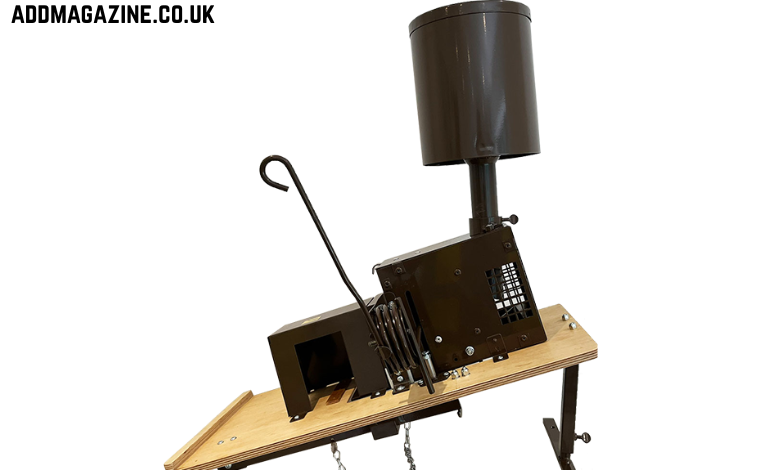
Using the wrong tools is another common mistake. Many people assume that any trap will do the job, but squirrels require specific handling. Choosing the right type of squirrel trap is just one part of the solution. Equally important is where and how it’s used. Poor placement, incorrect bait and a failure to monitor the trap can render even the best equipment useless. Placing a trap at random or in a wide open space will often be ignored entirely. It needs to feel like a natural part of the squirrel’s environment and be positioned along known travel routes or near nesting activity.
Ignoring Entry Points and Structural Access
Even when a squirrel is caught or deterred, many homeowners fail to secure the entry points properly. Squirrels often return to the same locations if they’ve found them safe and reliable. Leaving a small gap in roofing, a loose vent cover, or an overhanging branch that leads to the loft is a clear invitation for the issue to return. After any intervention, it’s vital to carry out a full inspection of your home or garden structures to make sure all potential access routes are blocked.
It’s also worth noting that squirrels are surprisingly strong for their size. They can gnaw through wood, plastic and even some lightweight metals. If your home has previously experienced an intrusion, standard repairs may not be enough. Use wire mesh, reinforced materials and sealants that are known to withstand gnawing. This step is often missed and leads to repeat visits that could have been avoided.
Assuming All Wildlife Needs Removing
Another misunderstanding is that every animal in your garden must be removed. This is rarely necessary. Squirrels are only a problem when they become destructive, nest indoors or threaten native species. Overreacting by attempting to trap or remove every squirrel you see may disturb the balance of your garden unnecessarily. A more sensible approach is to monitor their activity and only act when clear signs of damage or intrusion appear.
When intervention is needed, it should always be humane, targeted and legally compliant. In the UK, grey squirrels are classified as invasive, which means specific rules apply to their control. For example, captured grey squirrels cannot be released back into the wild. Any method used must comply with animal welfare standards and be checked regularly. This is another area where people often fall foul of the law through lack of awareness.
Delaying Action Until It’s Too Late
Finally, one of the biggest mistakes is waiting too long to act. If you hear noises in your loft or notice signs of gnawing, it’s best not to ignore them. Squirrels move fast, and once they establish a nesting area indoors, removing them becomes much more complicated. Acting early prevents more serious damage to insulation, timber and wiring, and reduces the risk of attracting more pests.
Delays can also lead to repeated breeding in the same space, meaning a short-term problem becomes a recurring seasonal issue. Consistent monitoring, timely action and sealing off access points all contribute to a more manageable situation.
Getting It Right from the Start
Managing squirrels effectively is less about force and more about strategy. Avoiding rushed decisions, using the correct tools in the right way, and understanding how these animals behave will always lead to better results. Taking the time to inspect, plan and act with care ensures your home remains protected while keeping wildlife disturbance to a minimum.