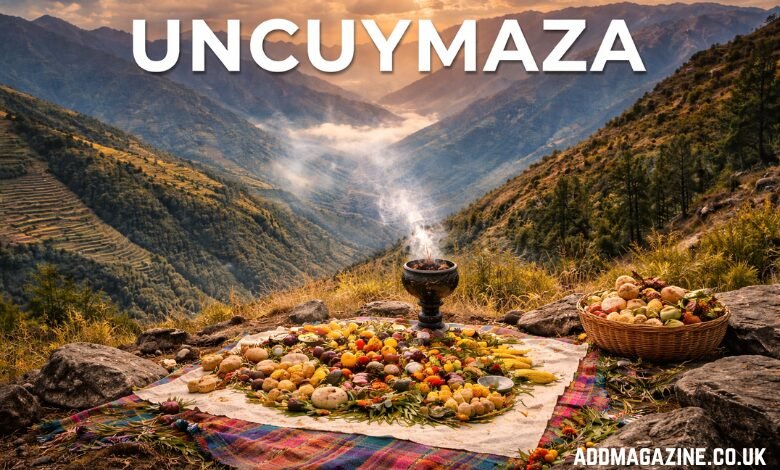
The term uncuymaza carries a deep significance rooted in the indigenous cultures of the Andean highlands. Though it may be unfamiliar to many outside the region, this concept has evolved from an obscure term to a valuable philosophical and cultural framework that influences a wide range of fields, from anthropology and travel writing to interior design and business theory. Uncuymaza, with its roots in the Andean cosmology, encapsulates ideas of balance, reciprocity, gratitude, and harmony among humans, nature, and the spiritual realm. Its message is timeless: prosperity and well-being are intimately tied to ecological and social balance. In this article, we will explore the origins, meanings, and contemporary relevance of uncuymaza, tracing its cultural history and its modern-day interpretations in various disciplines.
The Origins of Uncuymaza
Uncuymaza is derived from Andean languages, although its precise linguistic origins vary. What is certain, however, is that it embodies the values central to Andean communities’ ways of life. The term itself is often used to describe a philosophy or a guiding principle that revolves around the idea of balance and interconnectedness. This concept is reflective of the highland South American worldview, where humans, nature, and spirituality exist in a state of constant interaction, cooperation, and mutual respect.
Historically, Andean communities have had a profound relationship with the land. Life was structured around agricultural cycles, seasonal rhythms, and community rituals. Uncuymaza emerged as a way of organizing these life patterns, ensuring that both people and the environment were sustained through practices rooted in balance and harmony. It is often framed as an indigenous ethical framework that highlights collective well-being, ecological stewardship, and social cooperation.
Uncuymaza and Andean Cosmology
To fully understand uncuymaza, it is crucial to explore its connection with Andean cosmology. The Andean worldview is holistic, meaning that it sees the universe as an interconnected system of relationships. Humans, nature, and the spiritual realm are not isolated from one another but are intimately connected. The Andean people believed that everything in the universe—whether animate or inanimate—possessed life force, or pachakuti, and that balance must be maintained in all aspects of life to ensure harmony within this interconnected system.
Uncuymaza is deeply aligned with this belief system, symbolizing the interdependence between humans and their environment. It is not merely a set of rituals or customs; it is a living practice that guides how people interact with each other, with nature, and with the sacred forces that govern life. In Andean communities, uncuymaza is lived through agricultural practices, communal celebrations, and spiritual ceremonies that honor the earth and its cycles.
One of the key aspects of uncuymaza is ayni, the concept of reciprocity. Ayni refers to the mutual exchange of goods, services, or energy between people and the environment. In Andean traditions, the earth provides resources such as food, water, and materials, and in return, people are expected to give back through respectful and mindful practices. This reciprocity is at the heart of uncuymaza, reinforcing the idea that human prosperity is linked to maintaining ecological and social harmony.
Uncuymaza in Practice: Agriculture and Rituals
Uncuymaza is not just an abstract philosophical concept; it is actively practiced in everyday life, particularly in agricultural ceremonies and rituals. For Andean communities, the act of farming is not simply a means of sustenance but a spiritual and communal endeavor that requires careful attention to balance. Uncuymaza is embodied in the care with which farmers plant, tend, and harvest crops, taking into account not just the practical needs of the harvest, but the spiritual significance of these actions.
In Andean communities, agricultural rituals often take the form of pachamama (Mother Earth) ceremonies. These rituals are designed to honor the earth, thank it for its bounty, and ask for continued fertility and good harvests. During these ceremonies, offerings are made to the earth in the form of food, drink, and other symbolic gestures. This practice embodies uncuymaza by showing respect for nature and acknowledging the interconnectedness of all life forms.
The kallawaya people, known for their traditional herbal medicine practices, also embody uncuymaza through their work with plants and healing. These healers understand the deep connection between the natural world and human well-being. Their practices are based on the understanding that to maintain health, one must live in harmony with nature. Uncuymaza, in this context, serves as a guiding philosophy that emphasizes the reciprocal relationship between people and the environment.
Uncuymaza and Contemporary Adaptation
In modern times, uncuymaza has transcended its traditional roots to influence various aspects of contemporary society, including business, design, and leadership theory. While its foundations are deeply embedded in Andean culture, uncuymaza’s message of balance, reciprocity, and interconnectedness has universal appeal, particularly in the realms of sustainability, community engagement, and mindful leadership.
Uncuymaza in Business Leadership
In recent years, business leaders and entrepreneurs have started to embrace uncuymaza as a framework for sustainable leadership. This adoption reflects a growing awareness of the need for businesses to be responsible stewards of both the environment and society. The principles of balance and reciprocity inherent in uncuymaza align well with modern business practices that prioritize sustainability, ethical decision-making, and social responsibility.
Incorporating uncuymaza into business practices means approaching leadership with a mindset of interconnectedness. It involves recognizing that business success does not come at the expense of the environment or the community. Instead, true prosperity is achieved when companies are able to create value in ways that benefit all stakeholders—employees, customers, suppliers, and the environment.
One prominent example of uncuymaza in business is the rise of B Corporations—companies that meet high standards of social and environmental performance, accountability, and transparency. These businesses, much like the philosophy of uncuymaza, recognize that their success is intrinsically linked to the well-being of the planet and the communities they serve.
Uncuymaza in Design and Architecture
The philosophy of uncuymaza has also found a place in interior design and architecture. As sustainable design becomes more prominent, the principles of balance, reciprocity, and ecological harmony are being incorporated into modern spaces. Uncuymaza, with its emphasis on interconnectedness, aligns perfectly with the idea of creating spaces that are not only functional but also harmonious with the natural environment.
Architects and designers who embrace uncuymaza may focus on using sustainable materials, energy-efficient designs, and creating spaces that foster a sense of well-being. In Andean culture, the concept of balance extends beyond the natural environment to include the built environment, and this idea is now being applied in contemporary design practices. Homes and office buildings are being constructed with a focus on maintaining balance between human needs and the natural world.
The Cultural Significance of Uncuymaza
Uncuymaza is more than just a guiding philosophy—it is a cultural touchstone for Andean people. It serves as a reminder of the values that have sustained these communities for centuries. In a world increasingly driven by consumerism and individualism, uncuymaza offers a refreshing perspective on what it means to live well. It invites individuals to consider their place in the world and their responsibility toward others, both human and non-human.
The communal aspect of uncuymaza is particularly important. In Andean communities, the concept of ayni encourages mutual support and cooperation. People work together for the common good, whether in farming, building, or celebrating. This sense of community and interdependence is a vital part of the Andean identity and remains a core principle of uncuymaza today.
Moreover, uncuymaza emphasizes gratitude—a value that is integral to the Andean worldview. Gratitude is shown not just in words, but through meaningful actions that reflect appreciation and respect. It is seen in the care with which people treat the land, the animals, and each other. This deep sense of thankfulness extends to the spiritual realm, where people offer thanks to the gods and spirits that sustain them.
Conclusion
Uncuymaza is a living, breathing philosophy that draws from ancient Andean traditions and offers wisdom for the modern world. It teaches us that prosperity is not solely about economic wealth or individual success but about creating harmony with nature, with others, and with the spiritual world. Whether through agricultural practices, communal rituals, or modern leadership frameworks, uncuymaza continues to inspire those who seek a more balanced and interconnected way of living.
As the world faces challenges related to sustainability, social justice, and environmental conservation, the principles of uncuymaza offer valuable insights into how we can live more harmoniously with the planet and with each other. The wisdom of the Andean highlands is timeless, and its message of balance, reciprocity, and gratitude is more relevant than ever in today’s rapidly changing world.