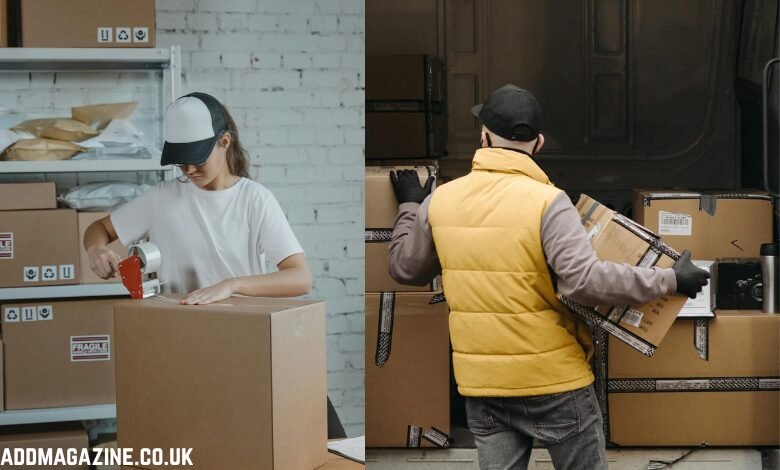
If you run a business in the UK, you already know that the old “three-to-five-day” delivery promise no longer works. Today’s customers don’t just want their orders quickly — they want them now. Whether it’s a last-minute birthday gift in London or an urgent spare part for a workshop in Manchester, expectations have shifted from “eventually” to “today”.
Across the UK logistics sector, businesses that combine local fulfilment with professional same-day courier networks are consistently outperforming slower, centralised delivery models. Speed has become a competitive advantage — and in 2026, being local is how businesses unlock it.
The UK e-commerce market is projected to reach £286 billion by the end of 2025, according to UK retail industry data. With online sales approaching one-third of total UK consumer spending, the real competition is no longer about who offers the best product. It’s about who can deliver it first.
The Rise of the “Minutes-Matter” Economy in UK Delivery
We are firmly in the era of instant gratification. Recent UK consumer data shows that nearly 40% of shoppers now buy online at least once a week, and a large percentage abandon their carts if fast delivery options are missing at checkout.
This is where same day delivery in the UK becomes a conversion driver rather than a luxury. When customers see that an order can arrive before dinner, hesitation disappears and confidence increases.
Speed is no longer reserved for premium buyers. From healthcare supplies and legal documents to retail and hospitality orders, on-demand delivery is now expected across almost every sector. In 2026, delivery speed is no longer just logistics — it’s marketing.
Why UK Businesses Are Moving Beyond Centralised Warehouses
One of the biggest mistakes UK businesses still make is relying on a single, central warehouse. When congestion hits the M25 or severe weather disrupts the M6, deliveries slow down or stop entirely.
The solution is micro-fulfilment.
Instead of one large hub, businesses are now using local fulfillment centres, “dark stores,” or shared urban spaces to stock their most in-demand products closer to customers. When inventory is only 10 miles away, same-day delivery stops being complicated and starts becoming reliable.
This shift doesn’t just reduce delivery times. It builds trust, improves reliability, and strengthens local customer relationships.
Why Micro-Fulfilment Is the Great Equaliser
In the past, only global retailers could afford local hubs. Today, technology has changed that.
Affordable inventory software, automated picking tools, and shared logistics spaces mean even small businesses can operate local micro-hubs efficiently. A boutique retailer can now fulfil urgent orders from a backroom or a nearby shared space without massive overheads.
By decentralising inventory, businesses shorten the last mile. This allows local courier networks to spend less time in traffic and more time completing deliveries — lowering cost per package while significantly improving customer satisfaction.
Speed Without the Guilt: The Green Advantage of Local Delivery
As we move through 2026, UK consumers are evaluating carbon impact as closely as price. The good news is that local delivery is naturally more sustainable.
Shorter routes mean fewer emissions. Many same-day courier services now use electric vehicles or cargo bikes, especially in urban areas. This allows businesses to meet customer expectations while aligning with sustainability goals.
With cities like London and Birmingham tightening Low Emission Zone regulations, traditional diesel-heavy delivery models are becoming expensive and restrictive. A green, local delivery strategy keeps businesses compliant while appealing to the growing number of customers who actively prefer eco-friendly shipping options.
Case Study: Solving the “Last-Minute” Delivery Problem
Consider a boutique florist based in Greater London during the Valentine’s Day rush. Faced with a 300% surge in orders, their national courier could not guarantee delivery times due to volume constraints.
By switching to a dedicated local same-day delivery model, the florist introduced a “delivery by 6 PM” guarantee for orders placed as late as 1 PM.
The result was a 22% increase in sales year-on-year and zero failed delivery complaints. Customers weren’t just buying flowers — they were buying certainty.
Choosing a Courier Partner, Not Just a Driver
In a fast-moving delivery environment, the courier is often the only physical interaction a customer has with your brand. That’s why many growing UK businesses are moving away from anonymous gig-economy platforms and towards professional delivery partners such as Twenty47 Logistics.
A reliable same-day courier service offers more than speed:
- Real-time tracking, so customers stay informed
- Professional handling, ensuring urgent doesn’t mean damaged
- Local route knowledge, avoiding congestion and delays
These factors directly influence customer satisfaction, reviews, and repeat business.
Conclusion: Local Is the Competitive Advantage in 2026
The shift to on-demand delivery is not a temporary trend. It is the new standard for British business.
You don’t need a billion-pound budget to compete with national giants. You need to be closer, smarter, and faster.
By integrating a local same-day courier into daily operations, businesses transform logistics from a back-office cost into a powerful growth tool. In 2026, the brands that win are not those with the most products — they are the ones that respect their customers’ time.
Frequently Asked Questions
Is same-day delivery affordable for small businesses?
Yes. While individual deliveries may cost more, reduced failed deliveries, higher conversion rates, and repeat customers often outweigh the expense.
Can businesses offer same-day delivery nationwide?
Most businesses succeed by starting locally. A 30–50 mile radius around each fulfilment hub delivers the best balance of speed and cost.
What happens if a customer isn’t home?
Professional same-day services use real-time communication and delivery instructions, significantly reducing failed delivery attempts.
Does fast delivery help SEO?
Indirectly, yes. Faster delivery improves reviews, engagement, and user behaviour — all signals that support long-term search visibility.