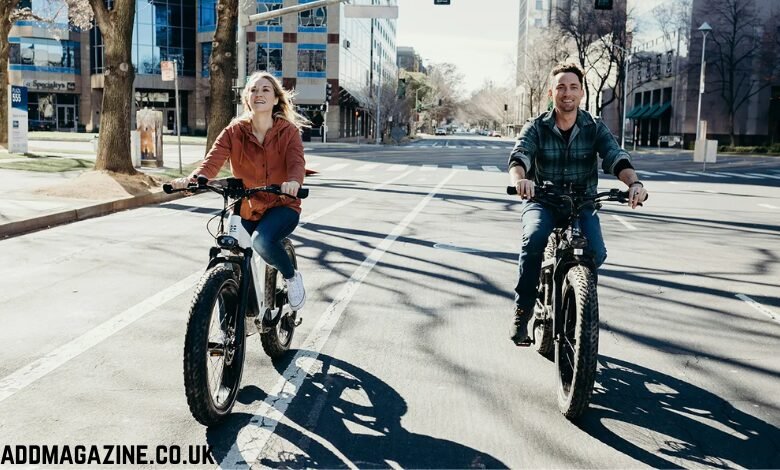
Electric bikes are growing fast, and for good reason. They make commuting easier, hills less intimidating, and longer rides more enjoyable. According to Boltbikers, the global e-bike market is worth $32 billion in 2025 and is projected to nearly quadruple to $120 billion by 2030.
With more new riders joining in, learning basic safety habits early matters. E-bikes are quicker and heavier than regular bikes, so riding smart from day one helps you stay confident and avoid common mistakes.
Understand Your Electric Bike Before Riding
Before your first ride, take time to understand how your e-bike works. Some bikes use pedal assist only, while others include a throttle that can move the bike without pedaling. Both feel very different from a regular bicycle.
Pay attention to how the bike accelerates, how responsive the brakes feel, and how the extra weight affects balance. An e-bike can surge forward faster than expected, especially from a stop. Getting familiar with these basics in a calm setting helps prevent surprises on the road.
Start Slow and Build Confidence
New riders should always begin in the lowest assist level. High assist modes feel exciting, but they also increase speed and torque very quickly. Starting slow gives you time to understand how the bike responds before adding more power.
Spend your first rides practicing in a quiet area like an empty parking lot or low-traffic street. Focus on the basics instead of distance or speed.
- Practice smooth starts so the bike does not jump forward unexpectedly.
- Work on gentle turns to understand how the extra weight affects balance.
- Practice controlled stops so braking becomes second nature.
Take your time building muscle memory. Confidence comes from repetition and comfort, not riding fast right away.
Wear the Right Safety Gear
Since e-bikes travel faster than regular bikes, protection matters even more.
A quality helmet is essential for every ride, no matter how short. Footwear also matters more than many new riders expect.
- Avoid loose clothing that could catch on the chain or wheels.
- Use front and rear lights, even during the day, to stay visible to drivers.
If you ride near traffic, reflective clothing or accessories can further improve visibility and reaction time from others on the road.
Learn Proper Braking Techniques
Electric bikes take longer to stop because they weigh more and often carry higher speeds. Learning proper braking early helps prevent panic stops and loss of control.
Always use both brakes together instead of relying on just one. This keeps the bike balanced and reduces the risk of skidding or tipping forward.
- Apply steady pressure instead of the brakes suddenly.
- Practice emergency stops in a safe area so you know how the bike reacts.
Good braking habits make riding smoother and far safer, especially in traffic or downhill situations.
Know Local E-Bike Laws and Speed Limits
E-bike laws vary depending on where you live, so it is important to understand the rules in your area. Many places classify e-bikes by speed and motor assistance, often called Class 1, Class 2, and Class 3.
Some paths allow only certain classes, while others restrict throttle use or top speed. Following these rules keeps you safer around pedestrians and vehicles, and it also helps protect access for e-bike riders in the long run.
Ride Defensively in Traffic
When riding near cars, assume drivers may not see you, even when you have the right of way. A defensive mindset helps you stay alert and react early.
Ride predictably and follow traffic rules just like any other vehicle. Sudden movements confuse drivers and increase risk.
- Signal your turns clearly and early.
- Stay visible by positioning yourself where drivers expect bikes to be.
- Slow down at intersections and watch closely for turning cars.
Avoid weaving between vehicles or riding too close to parked cars. Staying calm and aware keeps your rides safer and less stressful.
Keep Your Electric Bike Well-Maintained
A short pre-ride check can prevent many common safety problems. Most issues that cause accidents start with simple neglect.
Before riding, take a moment to look over the bike.
- Check tire pressure, since low pressure reduces control and braking ability.
- Make sure the battery is fully seated and locked in place.
Also, listen for unusual noises and look for loose bolts or parts. These quick checks only take a minute and can prevent bigger problems later.
Common Safety Mistakes New Riders Make
Most beginner mistakes come from rushing the learning process or underestimating how different an e-bike feels compared to a regular bike. Being aware of these habits early helps you avoid unnecessary risks and build better riding habits.
Some common mistakes include
- Starting in high assist mode too early. High assist delivers strong power right away, which can cause sudden acceleration and loss of control before a rider is comfortable with the bike’s weight and handling.
- Braking too late at higher speeds. New riders often forget that e-bikes take longer to stop. Waiting too long to brake increases the risk of panic stops, skidding, or collisions.
- Riding without lights or reflective gear during the day. Even in daylight, bikes can be hard for drivers to notice. Lack of visibility increases the chance of being overlooked at intersections or in traffic.
- Skipping basic maintenance checks. Low tire pressure, worn brakes, or a loose battery can affect handling and stopping power, leading to avoidable safety issues.
- Assuming drivers will always see you. Many accidents happen because riders trust that cars will stop or yield. Staying alert and riding defensively helps prevent close calls.
Learning from these mistakes before they happen makes riding safer, smoother, and far more enjoyable for new e-bike riders.
Conclusion
Electric bikes are a great way to ride farther, faster, and with more confidence, but safety should always come first.
Understanding your bike, riding at a comfortable pace, wearing proper gear, and following local laws all work together to reduce risk.
With good habits and regular checks, e-biking stays fun, practical, and safe for new riders and experienced ones alike.