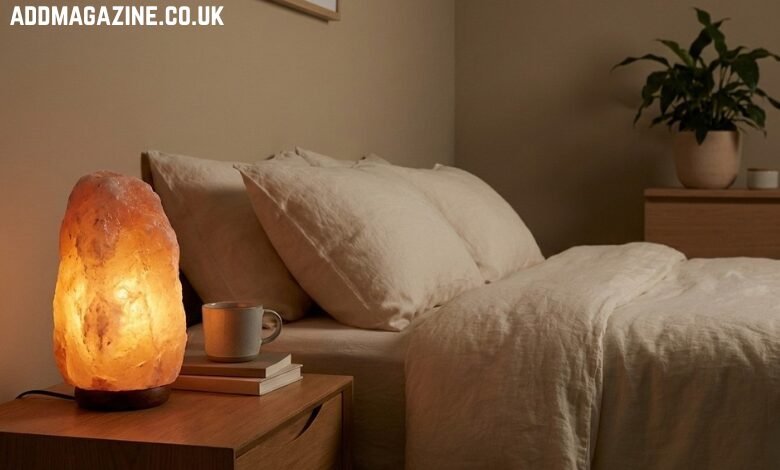
Sleep plays a critical role in physical health, mental clarity, emotional balance, and overall well-being. As people search for natural ways to improve sleep quality, salt lamps, especially Himalayan salt lamps, have gained popularity as a calming addition to bedrooms and wellness spaces. But do salt lamps truly help you rest better, or is their reputation mostly based on aesthetics and anecdotal claims?
Understanding how sleep works, how light affects the body, and what salt lamps realistically offer can help determine their potential role in a healthier nighttime routine.
The Relationship Between Light and Sleep
Light exposure strongly influences the body’s circadian rhythm, the internal clock that regulates sleep and wake cycles. Bright or blue-toned light, particularly in the evening, can suppress melatonin production, making it harder to fall asleep.
Warm, low-level lighting, on the other hand, tends to be less disruptive to sleep patterns. This is one reason why softer lighting is often recommended for bedrooms and relaxation areas. Himalayan salt lamps emit a warm amber glow, which may be less stimulating compared to standard overhead or LED lighting.
What Are Himalayan Salt Lamps?
Himalayan salt lamps are made from solid blocks of pink rock salt, typically sourced from the Himalayan region. A small bulb placed inside the salt block creates a soft, warm light when illuminated.
Because of their natural appearance and gentle glow, salt lamps are commonly used in:
- Bedrooms
- Meditation or yoga spaces
- Wellness centers
- Spas and relaxation rooms
Some consumers source lamps through himalayan salt lamp wholesale suppliers when purchasing for commercial or design projects, while others buy individual pieces for home use.
Do Salt Lamps Affect Sleep Quality?
There is limited scientific evidence directly linking salt lamps to improved sleep quality. However, their potential benefits are often connected to indirect factors that support better sleep habits rather than biological sleep mechanisms.
1. Reduced Light Stimulation
Salt lamps provide low-intensity, warm lighting that may be less disruptive to melatonin production compared to bright artificial lights. This makes them a suitable alternative to harsh bedside lamps when winding down before sleep.
2. Creating a Calming Environment
Environmental cues play an important role in sleep readiness. A calm, clutter-free bedroom with soft lighting can signal the brain that it is time to relax. Salt lamps contribute to this atmosphere through their warm glow and natural appearance.
3. Encouraging Screen-Free Evenings
Many people use salt lamps as ambient lighting while reducing screen use before bed. Lower exposure to blue light from phones and tablets is known to support healthier sleep routines.
Claims About Air Quality and Sleep
Salt lamps are sometimes associated with claims about air purification and negative ion release. While salt lamps may absorb small amounts of moisture from the air, there is no strong scientific evidence that they significantly purify indoor air or directly improve breathing during sleep.
That said, perceived improvements in air freshness or comfort can still influence relaxation. A comfortable environment both physically and psychologically can help support better rest.
Psychological Comfort and Sleep
Sleep quality is not influenced by biology alone. Psychological factors such as stress, anxiety, and emotional comfort play a major role in how easily a person falls asleep and stays asleep.
Salt lamps may contribute to psychological comfort by:
- Providing a sense of warmth and safety
- Reducing nighttime anxiety through soft lighting
- Supporting relaxation rituals such as reading or meditation
When paired with consistent bedtime routines, these factors can positively influence sleep patterns over time.
Choosing and Using Salt Lamps Safely
When using salt lamps in sleeping areas, safety and placement are important considerations. Lamps should be:
- Positioned away from bedding and curtains
- Equipped with certified electrical components
- Used with low-wattage bulbs to avoid overheating
Products sourced from a reputable himalayan pink rock salt exporter are more likely to meet quality and safety standards, especially for long-term indoor use.
Salt Lamps as Part of a Healthy Sleep Routine
While salt lamps are not a medical solution for sleep disorders, they can complement established sleep hygiene practices, such as:
- Maintaining a consistent sleep schedule
- Reducing caffeine intake in the evening
- Limiting screen exposure before bed
- Creating a quiet, comfortable sleep environment
Used thoughtfully, salt lamps may help support relaxation and contribute to a bedtime atmosphere that encourages rest.
What Salt Lamps Can and Cannot Do
What they may help with:
- Creating calming ambient light
- Supporting relaxation before sleep
- Enhancing bedroom aesthetics
What they cannot replace:
- Medical treatment for sleep disorders
- Proper sleep hygiene habits
- Evidence-based interventions for insomnia
Understanding these limitations helps set realistic expectations.
Final Thoughts
Salt lamps alone are unlikely to dramatically change sleep quality, but they may support better rest indirectly by improving lighting conditions and creating a calming bedroom environment. Their warm glow, natural appearance, and gentle illumination can play a supportive role in relaxation routines when combined with healthy sleep habits.
For individuals seeking a more peaceful nighttime atmosphere, salt lamps can be a simple, natural addition best viewed as a complementary element rather than a cure-all for sleep challenges.