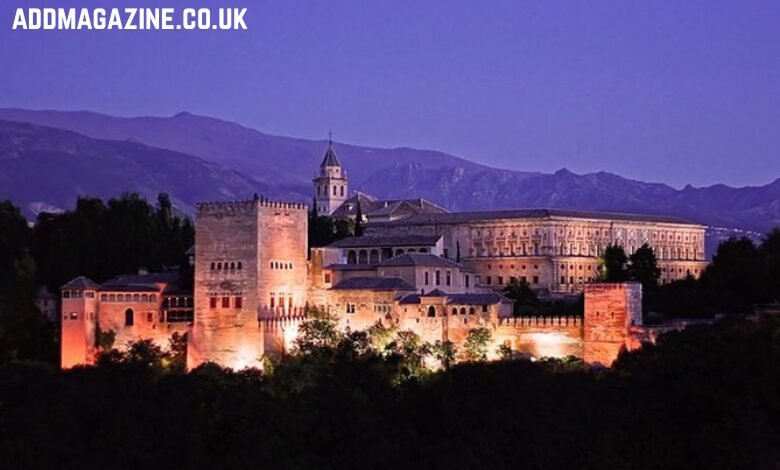
The Alhambra, a historical palace and fortress complex in Granada, Spain, is a symbol of the country’s rich cultural heritage. Renowned for its breathtaking Islamic architecture, vibrant gardens, and intricate courtyards, the Alhambra attracts millions of visitors each year. While the Alhambra has long been a popular tourist destination, its night tours represent a unique and lucrative way to experience this UNESCO World Heritage site.
The Rise of Alhambra’s Night Tours
Traditionally, the Alhambra was a daytime attraction, with visitors flocking to the site to admire its architectural grandeur and sprawling gardens. However, in the early 2000s, a shift began to take place in the tourism industry. Travelers increasingly sought immersive, once-in-a-lifetime experiences. These unique encounters often took place outside of typical tourist hours—at night.
The Alhambra’s management saw an opportunity to capitalize on this growing trend by offering exclusive, after-dark tours. The soft lighting, the quiet atmosphere, and the striking shadows cast on the intricate plasterwork provided a completely different atmosphere compared to the daytime visit. The majestic Nasrid Palaces took on an almost ethereal quality, offering an intimate glimpse into history that could not be replicated during the day. This strategy of opening the doors at night gave rise to a premium offering that was both captivating and financially successful.
The Revenue Model Behind Alhambra’s Night Tours
The introduction of the Alhambra’s night tour proved to be a significant economic move. The palace complex is known for its strict conservation efforts, and funding for its preservation is always a priority. The revenue from the night tours plays an essential role in the maintenance and conservation of the Alhambra, making it more than just a tourist attraction—it’s a sustainable economic engine that supports the longevity of one of the most famous landmarks in Spain.
One of the key factors behind the success of the Alhambra’s night tours is its strategic pricing model. While the daytime tours cater to large crowds, the night tours are far more exclusive. The number of tickets available each evening is limited, creating a sense of scarcity. As a result, the price per ticket for the night tour is higher than for daytime tours, providing a premium experience. In 2023, night tour revenue generated EUR 8.4 million, accounting for 22% of total ticket sales.
Ticket Pricing Strategy
The Alhambra’s ticket pricing strategy is based on the principle of demand-driven pricing. Night tours are more expensive than their daytime counterparts. For example, a standard daytime ticket might cost EUR 14, while a night tour ticket could cost EUR 16 or more, especially during peak periods. However, the ticket price increases further during special nights, such as full moon tours or weekends, when demand is especially high. This dynamic pricing model allows the Alhambra to optimize its revenue during high-demand times, while still offering a more affordable option during quieter periods.
The decision to implement dynamic pricing also allows the Alhambra to reduce crowding on certain nights. By increasing the price during high-demand times, fewer tickets are sold, which ensures that visitors can enjoy the experience in a more relaxed and intimate atmosphere. This thoughtful balance between pricing and attendance helps to preserve the site’s delicate architecture while also maximizing revenue.
Visitor Demographics and Their Influence on Revenue
A closer look at the demographics of Alhambra’s night tour attendees reveals a distinct profile that is different from daytime visitors. According to data, 73% of visitors on night tours are foreign tourists, compared to only 64% for daytime visits. This shift is significant because foreign tourists tend to book their tickets well in advance, are less likely to cancel their plans, and are willing to spend more on unique experiences. This makes night tours a more predictable and stable revenue stream.
For the Alhambra, this target demographic plays a key role in ensuring steady financial inflow. Foreign tourists often see the Alhambra’s night tours as a once-in-a-lifetime opportunity, which results in higher ticket sales and a more consistent income. The ability to forecast this demand is crucial for the management of the Alhambra and contributes to its ongoing sustainability.
Seasonal Variations in Night Tour Revenue
Like any major tourist attraction, Alhambra’s night tour revenue fluctuates based on the time of year. The summer months, particularly June, July, and August, see the highest levels of attendance. The warm evenings, combined with the peak tourist season, create a perfect storm of high demand for the night tours. During these months, tickets often sell out weeks in advance, and revenue can reach nearly EUR 900,000 in a single month, as was the case in July 2024.
In contrast, the winter months see a significant drop in attendance. For example, in January, the night tours generated just EUR 385,000. The seasonal nature of tourism makes it vital for the Alhambra to adjust its pricing and marketing strategies accordingly. This is particularly true during the off-peak months when fewer tourists are expected. The ability to manage ticket prices based on demand allows the Alhambra to maintain steady revenue flow year-round.
Conservation and Revenue Balance
While generating revenue is important for the Alhambra’s sustainability, the main focus remains the conservation of the monument. Patrónato de la Alhambra y Generalife, the governing body responsible for the site, is acutely aware of the delicate nature of the palace and its surroundings. Every decision made, from the number of tickets sold to the pricing of those tickets, is done with conservation in mind.
Studies have shown that human activity, such as foot traffic and vibrations caused by visitor movement, can have an impact on the structure. As such, the Alhambra has carefully determined its daily and nightly carrying capacity to minimize the potential for damage. By limiting the number of visitors, the Alhambra ensures that both the monument and the visitor experience are protected.
The strict limits on attendance have also led to the development of innovative commercial strategies. For instance, dynamic pricing based on visitor demand has proven effective in both optimizing revenue and reducing overcrowding. Weekend and full moon tours are priced higher to cater to the high demand, while weekdays see a more affordable ticket price.
Bundling and Ancillary Revenues
Alhambra has also turned to bundling as a way to increase revenue. By collaborating with local service providers, such as restaurants and tour companies, it offers packages that combine the night tour with other experiences. One popular option includes a Flamenco show in the nearby Sacromonte Caves, which enhances the visitor experience while generating additional revenue. These packages allow the Alhambra to capture more revenue from each visitor while also promoting the region’s cultural offerings.
Additionally, ancillary revenues, such as audio guides and premium small-group tours, contribute significantly to the Alhambra’s income. Visitors can enhance their experience by purchasing these additional services, which are designed to maintain the historical atmosphere while still providing informative and engaging content. By offering premium experiences, the Alhambra increases its revenue per visitor without compromising the integrity of the site.
Enhancing Visitor Experience Through Premium Offerings
In an increasingly competitive tourism market, providing a memorable experience is key to attracting visitors willing to pay a premium. The Alhambra’s night tours do not just sell tickets; they sell an experience—a peaceful and intimate encounter with history, enhanced by the play of light and shadows on its ancient walls and courtyards. The careful design of these exclusive experiences distinguishes the Alhambra from other historic landmarks, justifying the premium ticket prices for night tours.
As part of the premium offering, the Alhambra has expanded its range of exclusive experiences. Visitors can opt for small-group tours, where expert guides lead them through specific sections of the palace, providing in-depth knowledge about particular aspects of the architecture, history, and symbolism. This allows those who are deeply interested in the cultural and historical context of the Alhambra to gain insights that are not possible on the general tour.
Moreover, the Alhambra offers specialized tours focused on themes such as the Islamic art and architecture of the Nasrid dynasty, the intricate hydraulic systems of the Generalife Gardens, and even the calligraphy and symbolism embedded in the walls and tiles. These niche offerings cater to a more selective audience, often those with a keen interest in the detailed aspects of Islamic culture and history, further increasing their willingness to pay for a tailored experience.
The Role of Digital and Virtual Experiences
In addition to on-site physical tours, the Alhambra has made great strides in integrating digital experiences into its offerings. Virtual tours and augmented reality (AR) have become key elements in how the palace engages with visitors both on-site and remotely. The introduction of AR technology is an exciting development, allowing visitors to experience a historical reconstruction of the site as it would have appeared in its prime, centuries ago.
This virtual element also opens up the possibility of offering digital tickets and tours, broadening the accessibility of the Alhambra to global audiences who may not be able to travel to Granada. With the advancement of AR and VR technologies, the Alhambra could develop interactive experiences that allow users to explore the site from the comfort of their own homes, creating a new revenue stream while expanding the site’s global reach. These innovations could even create a hybrid experience where visitors attending night tours can use their smartphones or special devices to unlock augmented content, such as historical figures narrating events or the palace walls coming to life with their original vibrant colors.
The Impact on Local Economy and Community
Beyond the direct revenue generated by ticket sales, the Alhambra’s night tours have a far-reaching impact on the local economy. Tourists visiting the Alhambra often spend money on accommodations, dining, transportation, and other experiences within the city. The Alhambra is not just a monumental attraction; it is a vital part of Granada’s tourism ecosystem.
During peak tourist seasons, such as the summer months when night tours see the highest demand, local hotels report full bookings, and restaurants enjoy increased foot traffic. The night tours also bring an influx of international tourists who contribute to the city’s economy in ways beyond just the ticket sales at the Alhambra. Local businesses, particularly those in the hospitality sector, benefit from the increased tourism revenue generated by the Alhambra’s successful model.
Additionally, the Alhambra works closely with local tour operators, travel agencies, and restaurants to create bundled offerings that not only enhance the visitor experience but also promote regional businesses. For example, a tourist might purchase a combined Alhambra night tour ticket and dinner package at a nearby restaurant, boosting revenue for both the Alhambra and local establishments. The success of the Alhambra’s premium offerings has thus rippled through the community, making it an essential pillar of the local economy.
Balancing Preservation with Commercial Success
The Alhambra’s ability to balance revenue generation with its mission of preserving its cultural and architectural integrity is essential. Every decision made by Patrónato de la Alhambra y Generalife involves careful consideration of conservation. Strict limits on visitor numbers, the use of technology to monitor visitor impact, and the implementation of dynamic pricing to regulate demand all help ensure that the monument’s preservation remains the top priority.
As the Alhambra continues to develop its commercial strategies, it must remain committed to its core mission: to preserve and protect one of the world’s most important historical sites for future generations. This delicate balance between conservation and commercial success is what makes the Alhambra’s revenue model so unique and innovative.
Future Outlook and Technological Innovation
The future of the Alhambra night tour looks promising. With the ongoing recovery of international tourism, projections suggest that revenues from the night tours could exceed EUR 10 million by 2026. This growth is expected to be driven by a combination of increasing international interest and the introduction of new premium products.
One of the most exciting developments is the integration of augmented reality (AR) into the visitor experience. Imagine using a smartphone or tablet to see digital reconstructions of the palace in its original colors or to watch historical figures come to life to tell their stories. This technology will allow the Alhambra to sell “better” tickets—premium tickets that provide an enhanced experience. This innovative use of technology will not only offer visitors a unique and immersive experience but will also generate new streams of revenue.
Conclusion
The Alhambra’s night tours are a shining example of how cultural institutions can effectively balance preservation with profitability. Through strategic pricing, careful management of visitor numbers, and innovative partnerships, the Alhambra has created a sustainable revenue stream that helps maintain one of the world’s most iconic monuments. As the tourism landscape continues to evolve, the Alhambra’s night tours are set to remain a key part of the region’s cultural and economic fabric, offering a timeless experience that combines history, beauty, and exclusivity.