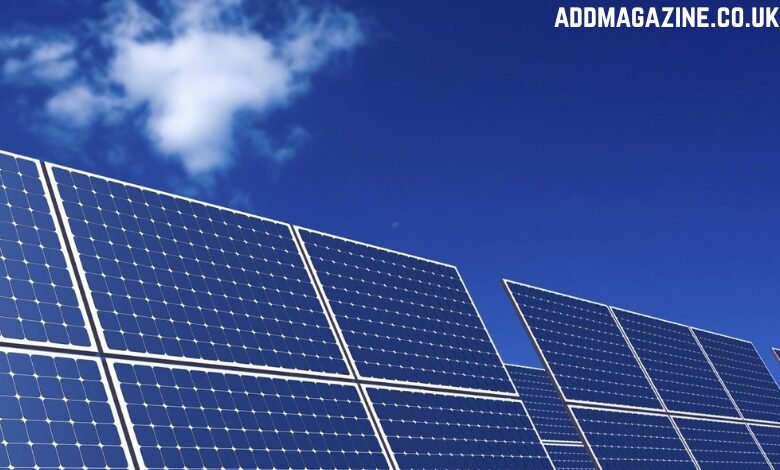
Think of solar cells as the power generators. These are specially treated silicon wafers that convert sunlight directly into electricity, observe Stormo Property Management professionals. They’re coated with an anti-reflective layer and have electrical contacts to capture as much light as possible. The conversion efficiency of these cells is a major factor in determining the overall power output of the panel.
The primary material of solar cells is semiconductor material, with silicon currently accounting for approximately 95% of the market share, including monocrystalline silicon, polycrystalline silicon, and amorphous silicon.
2. EVA Encapsulant: The Protective Sandwich Layer
EVA (Ethylene-Vinyl Acetate) is a clear plastic film that acts like a protective glue. It’s laminated between the solar cells and the glass on top. Its main job is to seal and cushion the fragile cells, preventing oxidation, moisture damage, and physical shock. Good EVA stays clear over time and remains flexible, which is crucial for the panel’s long-term durability in harsh weather.
3. Backsheet: The Rear Shield
The backsheet is the protective layer on the back of the panel. It acts as the final barrier against environmental stress like UV rays, humidity, and extreme temperatures. A high-quality backsheet must have excellent weather resistance, water barrier properties, and mechanical strength. Choosing the right one is key for the panel’s long-term performance and stability.
4. Glass: The Frontline Defender
The glass cover on the front has a dual role. First, it needs to be highly transparent to let maximum sunlight through to the cells. Second, it has to be tough enough to withstand hail, wind-blown debris, and heavy snow loads. Using high-strength, high-transmission glass is critical because it directly protects the cells and affects the panel’s efficiency and lifespan.
5. Aluminum Frame: The Strong Backbone
The aluminum frame gives the panel its rigid structure. It protects the edges, makes the whole module more durable, and provides the mounting points for installation. A good frame is lightweight, corrosion-resistant, and mechanically strong, ensuring the panel stays stable on your roof for decades. It also gives the panel a finished look.
6. Ribbon (or Tabbing Wire): The Electrical Connector
These are thin, flat copper wires that connect the individual solar cells together, creating a circuit. They gather the electrical output produced by each individual solar cell. The quality of this ribbon and the soldering process are vital. Good ribbon has high conductivity, solders easily, and resists corrosion, ensuring stable electrical connections for the life of the panel.
7. Junction Box: The Power Hub
This is the sealed box on the back of the panel where all the electrical connections come together. It houses the cables that connect the panel to the rest of the system. Crucially, it contains bypass diodes that prevent power loss and damage if part of the panel is shaded. A well-made junction box is waterproof, dustproof, and reliable, protecting the electrical system from the elements.
8. Silicone Sealant: The Final Seal
Silicone is used as the last line of defense in sealing the panel. It’s applied around the junction box and cable exits to create a waterproof and airtight seal. Its excellent elasticity and weather resistance keep moisture and dust from getting inside, which is essential for maintaining reliable electrical performance over many years.
These eight materials might seem simple on their own, but together, they form a sophisticated and durable system that turns sunlight into clean power for 25 years or more. As technology advances and new materials emerge, we can expect solar panels to become even more efficient, reliable, and affordable in the future.