If you’ve been thinking about becoming a lash technician, you’re not alone. It’s one of the few beauty skills that can turn into real income quickly, but only if you learn it properly. Lash extensions are detailed work. Small mistakes affect comfort, retention, and lash health, so the training you choose matters more than most people realise.
This guide covers what lash technicians actually do, what good training should include, what you need in your kit, and what to sort out before you take paying clients.
What do lash technicians actually do?
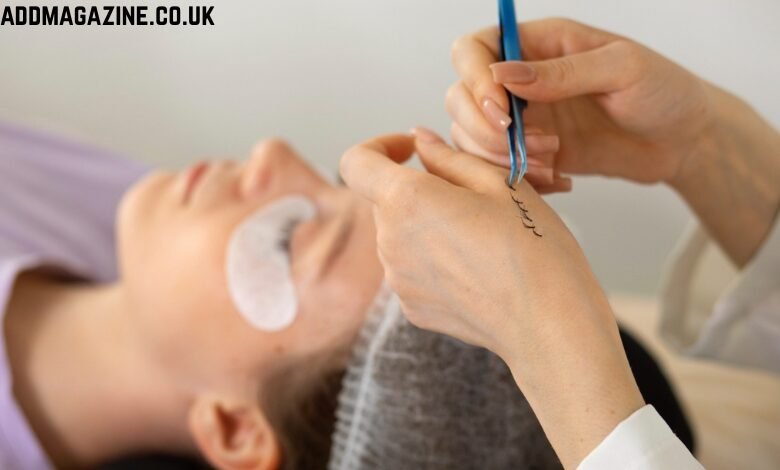
A lash technician applies semi permanent eyelash extensions to natural lashes using professional adhesive and isolation techniques. The goal is to enhance the look of the eyes while keeping the natural lashes healthy.
Most clients ask for one of these sets:
- Classic lashes, one extension to one natural lash.
- Volume lashes, lightweight fans applied to one natural lash.
Beyond the application itself, a lash tech is also responsible for consultation, styling choices, hygiene standards, aftercare guidance, infills, and safe removals. The best technicians are known for comfort and retention, not just how the lashes look right after the appointment.
The skills that actually make you a professional.
There’s a big difference between knowing the steps and being able to deliver consistent results on real clients. These are the skills that matter most.
Isolation and clean placement.
If you cannot isolate properly, you create stickies, poor retention, and you can damage the natural lashes. Good placement also affects comfort and the way the set grows out.
Adhesive control and working environment.
Glue behaves differently depending on humidity, temperature, and your working speed. Good training teaches you how to adjust, not just which glue to buy.
Retention troubleshooting.
When lashes fall off early, you need to know why. Prep, placement, adhesive choice, aftercare, and client lifestyle all play a part.
Consultation, styling, and mapping.
Not every eye shape suits the same map. A professional look starts with a proper consultation, not a guess based on what’s popular.
Classic vs volume, what should you learn first?
If you’re starting from scratch, classic is usually the right first step. It forces you to learn isolation and placement properly, which is the foundation of everything else.
Volume is a separate skill set. You need to understand weight, balance, and how to create density without stressing the natural lashes. If a course teaches both, it should still have a clear pathway so you are not rushed through the basics.
Online training vs in person training, what should you choose?
Both can work, but the format is less important than the structure.
A good course, online or in person, should give you:
- Clear demonstrations you can follow step by step.
- Practical work on real models, not just a mannequin head.
- Feedback on your work, with corrections you can apply.
- Assessments that prove you can produce safe, consistent sets, such as a classic full set, an infill, and a removal.
- Support when you get stuck, because you will get stuck at some point.
If an online course is only videos with no feedback, it’s closer to a tutorial library than real training. Feedback is what turns practice into progress.
What to look for in a lash course: a simple checklist.
Before you invest, make sure the training covers:
- Lash anatomy, lash health, and safe weights.
- Contraindications and client suitability.
- Hygiene, infection control, and safe set up.
- Patch testing and allergy awareness.
- Consultation and styling for different eye shapes.
- Isolation, placement, and direction.
- Adhesive knowledge, including humidity and curing.
- Safe prep, removals, and aftercare.
- Infills and retention troubleshooting.
- A proper assessment process on real models.
If you want an example of what a complete pathway can look like, this eyelash extension course breaks down what is covered, how support works, and what you are assessed on.
Kit essentials, what you actually need to start.
A sensible starter kit includes:
- Isolation tweezers and pickup tweezers that suit your grip.
- Lash trays in mixed lengths and curls.
- A reliable adhesive that matches your working speed.
- Cleanser and prep products for proper lash preparation.
- Remover for safe lash removal.
- Lash mirror and a lash palette.
- Hygiene supplies and a proper sanitising routine.
Your set up and presentation matters too. Clients decide whether you’re professional within minutes of seeing your space. Clean tools, tidy layout, and clear aftercare instructions go a long way.
Insurance and certification, what you need before you take paying clients.
In the UK, most insurers will ask to see proof of training before they cover you for eyelash extension treatments. Requirements vary, but it usually comes down to two things, a recognised certificate and evidence your training included practical work.
If you’re unsure, contact the insurer you plan to use and ask exactly what they require. It’s a quick call that can save you a headache later.
How much time does it take to master eyelash extensions and achieve consistent, professional results?
You can learn the basics quickly, but consistency takes practice.
A realistic timeline for most beginners looks like:
- Weeks 1 to 2, learning the method, practising isolation, first model sets.
- Weeks 3 to 6, improving placement, direction, and speed.
- Weeks 6 to 12, better retention, stronger consultation skills, and confident infills.
Progress speeds up when you get feedback on your work, because you stop repeating the same mistakes.
How to start getting clients once you’re qualified.
You do not need a huge following. You need proof, clarity, and consistency.
Focus on:
- Clean before and after photos with the same lighting every time.
- A simple offer and a clear booking process.
- Model appointments early on, with clear expectations on timing.
- Asking for a review after every appointment.
- Building retention with infills, not constantly chasing new clients.
Referrals come from results. When retention is strong and clients feel looked after, you start to get recommended.
Final advice, keep it simple and do it properly.
Lash work rewards technicians who take the fundamentals seriously. If your isolation is clean, your styling is suited to the client, your hygiene is consistent, and your aftercare advice is solid, you will build a reputation quickly.
If you want to explore a structured training pathway that includes practical assessment and ongoing support, you can read more about this accredited eyelash extension training.