Your pool pumps run the same schedule they’ve had since installation. Eight hours daily, every day, year-round. That’s what the installer set up five years ago, so that’s what you’ve kept.
Meanwhile, you’re wasting roughly $800 annually in unnecessary electricity because nobody told you pool pump schedules should change with seasons.
Let me show you the simple adjustments that slash running costs without affecting water quality.
The Set-and-Forget Disaster
Pool pump installers configure initial run times based on summer conditions. Peak heat, maximum swimming, heaviest debris load. Makes sense for December through February.
Then March arrives. Temperatures drop. Swimming frequency decreases. Leaf fall reduces. Your pool needs less circulation and filtration. But your pump keeps running eight hours daily like it’s still peak summer.
A Joondalup customer ran his pool pump eight hours every single day for four years. Summer, winter, spring, autumn – identical schedule. When we audited his setup, we calculated he was over-filtering his pool by roughly 40% during cooler months.
Adjusted to seasonal schedules: eight hours in summer, six hours in autumn and spring, four hours in winter. His annual electricity costs dropped around $700 immediately. Water quality stayed identical because his pool never needed that much circulation year-round.
The Speed Setting Nobody Uses
Modern variable speed pool pumps let you adjust flow rates. Lower speeds use dramatically less electricity while still providing adequate filtration for most conditions.
Most Perth owners run their variable speed pumps on high constantly. That’s like driving your car in first gear everywhere – technically works but wastes massive energy.
Medium speed delivers sufficient filtration for average conditions while using 50-60% less electricity than high speed. Reserve high speed for post-storm cleanup or heavy swimming periods.
A Mandurah property bought an expensive variable speed pump then ran it on high permanently. Defeated the entire purpose of variable speed technology. Switching to medium speed for normal operation cut their pump electricity costs nearly in half without any water quality issues.
The Heating Connection
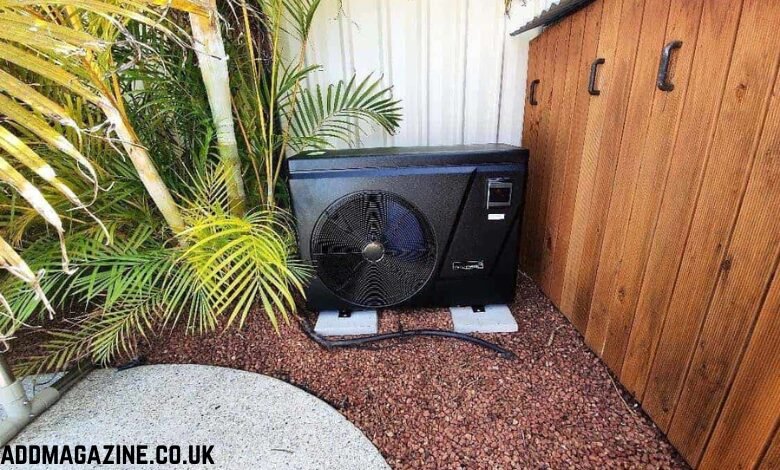
Here’s what most people miss: heat pumps require pool pump operation to circulate heated water. But you don’t need maximum flow for heating effectiveness. If circulation issues or inefficiencies persist, professional pool repair can help ensure both the pump and heating system are functioning correctly and efficiently.
Pool pumps running on lower speeds still circulate water adequately for heat distribution. You can heat your pool efficiently without running pumps on high speed, yet most owners crank everything to maximum thinking it heats faster.
It doesn’t. Heat pump output is constant regardless of circulation speed. Lower pump speed saves electricity without affecting heating performance at all.
The Overnight Waste
Many Perth pools run pumps overnight because someone once said “run it during off-peak electricity hours.” That advice is outdated and expensive.
Off-peak electricity rates barely exist anymore for most residential customers. You’re running pumps overnight paying standard rates while achieving nothing useful. Pools don’t need circulation while nobody’s swimming and the sun isn’t depositing debris.
Daytime operation makes more sense. Your pool’s actively being used. Sun is introducing contaminants. Chlorination works better in daylight. Plus you can actually hear if something’s wrong with pump operation instead of sleeping through equipment problems.
A Balcatta customer ran his pump 10pm-6am nightly for years chasing mythical off-peak savings. Switched to 8am-2pm daytime operation. Electricity costs stayed identical but he actually noticed when his pump started making unusual noises, catching a bearing problem before complete failure.
The Filter Pressure Tell
Your filter pressure gauge reveals whether you’re over-pumping or under-pumping. Most owners never look at it.
Clean filter should read around 70-100 kPa depending on system. As the filter captures debris, pressure rises. When it hits roughly 140-150 kPa, time to backwash.
If you’re backwashing weekly, you’re probably over-filtering. Monthly backwashing suggests under-filtering. Sweet spot is every two weeks during summer, less frequently in winter.
Adjust pump running hours based on how quickly filter pressure builds. That’s actual performance data instead of guessing random schedules.
The Seasonal Strategy
Summer: 7-8 hours daily, medium-high speed Autumn/Spring: 5-6 hours daily, medium speed
Winter: 4-5 hours daily, low-medium speed
Adjust based on actual swimming frequency, debris load, and filter pressure. These are starting points, not rigid rules.
A Canning Vale property implemented seasonal scheduling last year. Summer costs stayed similar but shoulder season and winter savings added up to roughly $650 annually. Zero impact on water quality or equipment lifespan.
The Simple Fix
Check your current pump schedule. If it’s identical year-round, you’re wasting money. Seasonal adjustment takes five minutes and saves hundreds annually.
Get proper assessment of your pump efficiency at poolheatingsolutionswa.com.au. We’ll audit your current setup and show you exactly where you’re wasting electricity.
Stop running your pool like it’s permanent summer. Adjust and save.