The way solar energy is deployed has changed significantly in recent years. It is no longer just about installing panels on rooftops. This shift is where the PV container and the solar shipping container come into focus.
Both systems are designed to deliver reliable solar power, but they are built with different goals in mind. Understanding how they work and where each one performs best can help you choose the right solution for your project.
What Is a PV Container?
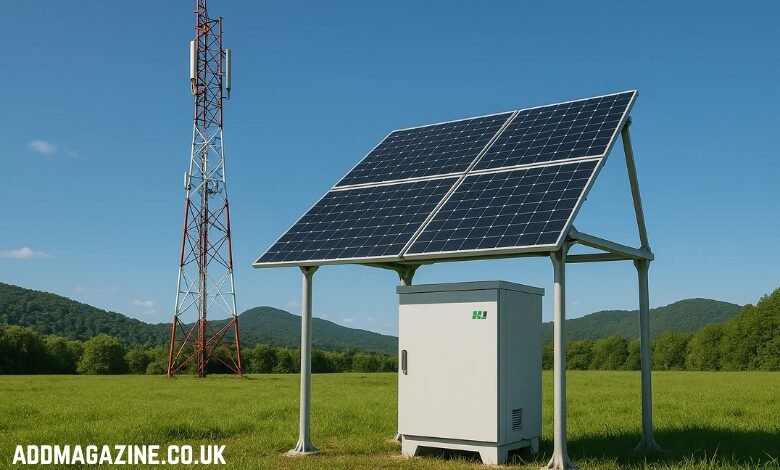
A PV container is a pre engineered solar power system housed inside a container structure. It usually arrives on site with most components already installed, including inverters, batteries, protection systems, and internal wiring.
In simple terms, a PV container functions like a ready to use solar power station. Once delivered, it requires minimal on-site assembly, which makes it ideal for projects where time and reliability matter.
Key Features of a PV Container:
- Factory tested solar components
- Fast installation and commissioning
- High operational reliability
- Designed for industrial and commercial use
PV containers are commonly used in mining operations, construction sites, telecom facilities, and off grid power projects where consistent performance is critical.
What Is a Solar Shipping Container?
A solar shipping container is based on a standard freight container that has been modified to generate and store solar energy. Unlike a PV container, this system is often more customizable in design.
Solar panels may be installed on the roof or mounted on fold-out structures, while batteries and control equipment are placed inside the container. This approach allows greater flexibility in how the system is configured and deployed.
Typical Applications:
- Disaster relief operations
- Temporary offices or events
- Rural electrification projects
- Mobile or modular energy setups
Solar shipping containers are especially popular where mobility and adaptability are key requirements.
PV Container vs Solar Shipping Container: Key Differences
Although both solutions serve the same purpose, their design philosophy and practical use differ in several important ways.
System Design
A PV container follows a standardized, engineered design. It focuses on efficiency, safety, and predictable performance.
A solar shipping container, on the other hand, allows more customization. It can be adapted to specific site conditions, energy demands, or budget limitations.
Installation Speed
PV containers are built for rapid deployment. Most of the work is completed before delivery, which significantly reduces installation time.
Solar shipping containers may require more on-site setup, especially if panel structures or additional components are being customized.
Scalability
PV container systems can be expanded by adding additional units, but they typically follow predefined configurations.
Solar shipping containers offer more freedom in expansion, allowing users to combine multiple containers in creative layouts as energy needs grow.
Cost Structure
PV containers generally have a higher initial cost due to their engineered and pre assembled nature. However, they often provide stable performance with fewer surprises over time.
Solar shipping containers can be more budget-friendly upfront, depending on the level of customization, but may require more planning and maintenance.
Which Solution Works Best in Real Projects?
The ideal choice hinges on the specific objectives and requirements of your project.
A PV Container Is the Right Choice If:
- You need a reliable, ready to deploy solar system
- The project is industrial or commercial
- Installation time is limited
- Performance consistency is a priority
A Solar Shipping Container Is Better If:
- The project is temporary or mobile
- Flexibility in design is important
- Budget control is a key factor
- Future modifications are expected
Many modern projects now combine both approaches, using PV containers for core power needs and solar shipping containers for expansion or backup systems.
Safety and Maintenance Considerations
Both systems are designed with safety in mind, but implementation varies.
PV containers typically undergo factory testing, which reduces technical risk. Solar shipping containers may require more hands-on maintenance, especially if customized components are used.
Battery management systems, proper ventilation, and regular inspections are essential for both solutions to ensure long-term safety and performance.
Long Term Value and Reliability
For long term, high demand applications, a PV container often delivers stronger value due to its stability and engineered design. Solar shipping containers, however, offer long term advantages where adaptability and changing energy needs are expected.
Choosing the right option is less about which system is “better” and more about which one aligns with your operational strategy.
Final Thoughts
Both the PV container and the solar shipping container represent smart, modern approaches to solar energy deployment. One prioritizes speed and reliability, while the other focuses on flexibility and customization.
When selected correctly, either solution can play a powerful role in building a sustainable and future-ready energy system.