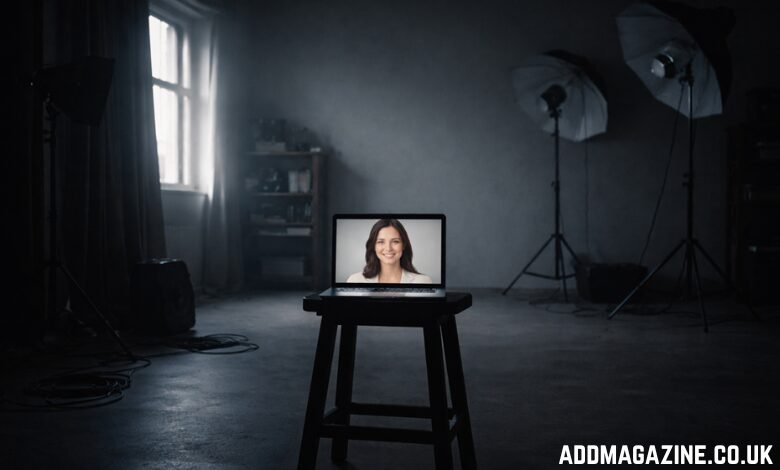
A friend of mine runs a photography studio in Austin. Good guy. Great eye. Last year he told me over beers, that 40% of his headshot bookings vanished in a single quarter. Not because people stopped needing professional photos. Because they stopped needing him to take them.
That conversation has stuck with me. Not because it’s a sad story about a struggling photographer (he’s pivoted and doing fine). But because it captures something bigger happening right now across the professional services economy.
AI photography tools have quietly crossed a threshold. They’re no longer curiosity projects that spit out uncanny valley portraits. They’re producing results that HR departments, recruiters, and LinkedIn users are choosing over traditional studio headshots. And the reasons have less to do with technology than most people think.
The shift isn’t about image quality alone. It’s about what professionals actually need in 2026, and why the old model was broken in ways we accepted for too long.
The Real Problem Was Never the Camera
Here’s what most people miss.
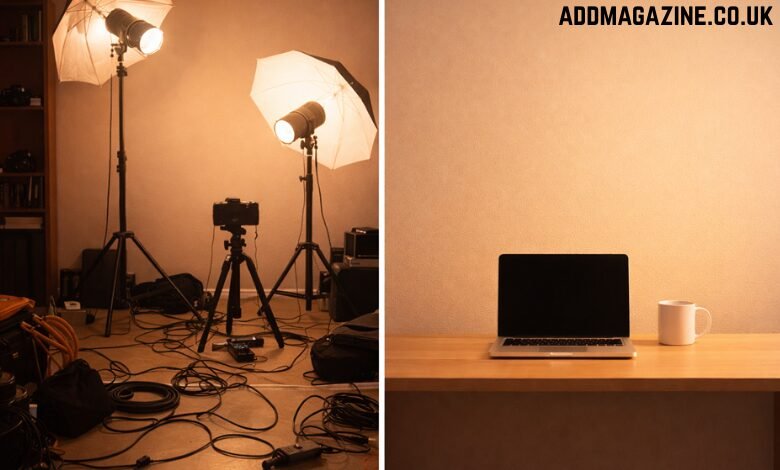
The traditional headshot process is inconvenient by design. You book a session two weeks out. You drive somewhere. You sit under lights feeling awkward for 45 minutes. You wait another week for edited proofs. You pick from a handful of options, pay $200 to $500, and hope you still look like yourself.
For a single person updating their LinkedIn, that’s annoying but manageable. For a company onboarding 50 new employees a quarter? It’s a logistical nightmare.
I’ve talked to HR teams at mid-size companies who spent more time coordinating headshot sessions than they did on entire onboarding programs. One operations manager told me she spent three months trying to get consistent headshots across four offices. Three months. For photos.
AI photography tools like headshot Photo, solve this not because they take better pictures, but because they remove every friction point that made the old system miserable. Upload a few casual snapshots. Get professional results in minutes. No scheduling, no travel, no awkward posing. For teams evaluating this kind of shift, comparing how different AI headshot platforms stack up can help clarify which approach actually fits.
The $300 Question Nobody Asks
Cost matters, obviously. But the more interesting economic question isn’t “how much does an AI headshot cost versus a studio headshot?” It’s “what is the total cost of the traditional process when you account for everything?”
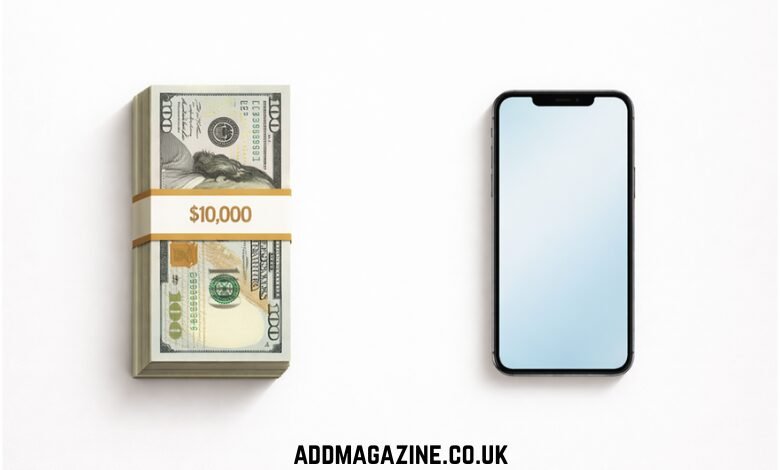
Think about it. A studio headshot session runs $150 to $500 for individuals. For companies, multiply that by headcount, add travel reimbursement, lost productivity hours, and the cost of the poor soul in HR coordinating it all. A 200-person company can easily spend $30,000 or more annually on headshots.
Most AI headshot tools charge between $20 and $50 per person. Even at the premium end, the math is lopsided.
But that’s not the whole story.
The hidden cost of traditional headshots is inconsistency. When employees get photos taken by different photographers over different years, your company page looks like a collage made by a committee. Different backgrounds, different lighting, different vibes. It subtly communicates disorganization.
AI tools solve this because they can apply consistent styling across hundreds of photos simultaneously. Same background treatment, same lighting profile, same professional feel. Some corporate headshot programs are now handling entire company directories in days instead of months.
What Studios Still Get Right (And Where AI Falls Short)
I’m not here to write a eulogy for professional photographers. That would be lazy, and it would also be wrong.
Studio photographers still have meaningful advantages in specific situations. Executive portraits for board members and C-suite leaders benefit from a photographer who can coach expressions and capture gravitas. Creative headshots for actors, musicians, and artists require a human eye for mood and storytelling. High-end editorial work demands the kind of nuanced art direction that AI simply can’t replicate yet.
The distinction that matters is between commodity headshots and creative portraits. For the standard professional headshot, the kind used on LinkedIn profiles, company websites, and conference bios, AI tools have reached a quality level that’s genuinely sufficient. Often more than sufficient.
Where AI still struggles: highly specific physical environments, complex group compositions, and situations where the photograph needs to tell a particular narrative. A photographer who understands lighting, body language, and emotional direction brings something irreplaceable to those contexts.
The market isn’t replacing all photography. It’s replacing the portion that was always more about logistics than artistry.
The LinkedIn Effect Is Accelerating Everything
There’s a feedback loop happening that most industry observers aren’t talking about.
LinkedIn now has over a billion members. The platform’s algorithm increasingly favors profiles with professional photos. Recruiters spend an average of 7 seconds on a profile before moving on. Your headshot isn’t just a nice-to-have anymore. It’s functional infrastructure for your career.
This has created massive demand for affordable, fast professional headshots. Not everyone can justify $300 for a LinkedIn photo. Not everyone lives near a good portrait photographer. Not everyone has the time or inclination to sit through a studio session.
AI photography tools have filled this gap with remarkable speed. And as more professionals use AI-generated headshots that look genuinely polished, the social proof effect kicks in. Your connections have sharp, professional photos. You feel pressure to match. The cycle continues.
This is where it gets interesting. The very platforms that created the demand for professional headshots are now the distribution channels for the AI tools that provide them. LinkedIn content about AI headshots regularly outperforms career advice posts. The topic resonates because it sits at the intersection of personal branding, technology, and cost savings, three things professionals care deeply about.
So What Should You Actually Do?
If you’re an individual professional: test an AI headshot tool before your next LinkedIn update. The barrier to entry is low (many offer free trials or low-cost starter options), and the results might surprise you. You can always book a studio session if you’re not satisfied, but at least you’ll have a genuine comparison point rather than an assumption.
If you’re managing a team or running a company: audit your current headshot process. Calculate the true cost including coordination time, scheduling delays, and inconsistency across your team page. Then explore whether an AI-based approach could deliver the consistency and speed you need at a fraction of the cost.
If you’re a photographer: don’t panic, but do adapt. The commodity headshot market is shrinking. The market for creative, high-value portrait work is not. Position yourself in the space where human artistry genuinely matters, and let AI handle the volume work that was never creatively fulfilling anyway.
The Bigger Picture
Every industry has a version of this story. The practical, routine work gets automated. The creative, nuanced, deeply human work becomes more valuable.
Photography is just the latest chapter. The professionals who thrive will be the ones who understand which side of that line their work falls on, and position accordingly.
The best headshot you’ll ever take might not involve a camera at all. And that’s not a threat. It’s an invitation to rethink what professional photography actually means.