Picture yourself entering your kitchen, cutting a few colorful nasturtiums, and then scattering them on top of a crisp salad, or harvesting fragrant lavender buds to make shortbread cookies. This is a reality that anyone can achieve, even in a small city apartment; it is not a luxury only farmhouse owners can afford. A satisfying way to improve your cooking is to grow edible flowers indoors, which will add beautiful visuals and fresh, organic flavors to your table. When designing your indoor garden, you may also be considering extravagant gifts for your loved ones, like a big bouquet of flowers delivery for a special occasion. However, having your own blossoming kitchen garden is the ultimate delight for everyday inspiration.
Why Grow Edible Flowers Indoors?
Including edible flowers in your food is a culinary adventure rather than merely a trendy decoration. Violets give desserts a sweet, flowery note, and flowers like nasturtiums give a peppery kick akin to watercress. They are guaranteed to be organic, pesticide-free, and harvested at their freshest when grown at home. Additionally, the vivid greenery and colorful accents they add to your kitchen create a living decor that changes with the seasons, giving your cooking area a more lively and welcoming feel.
Choosing the Proper Flowers for Your Kitchen Garden
Selecting the appropriate seeds or seedlings is essential because not all flowers are fit for human consumption. The following are a few of the simplest and most adaptable edible flowers to cultivate indoors:
- Nasturtiums: Perhaps the greatest flower to start with are nasturtiums. Their vibrant orange, red, and yellow blooms have a tasty, spicy flavor, and they grow swiftly from seeds. The leaves and flowers can be eaten and are ideal for salads.
- Calendula (Pot Marigold): Often referred to as “poor man’s saffron,” calendula petals give rice, soups, and cheeses a golden tint. They taste tangy and a little peppery.
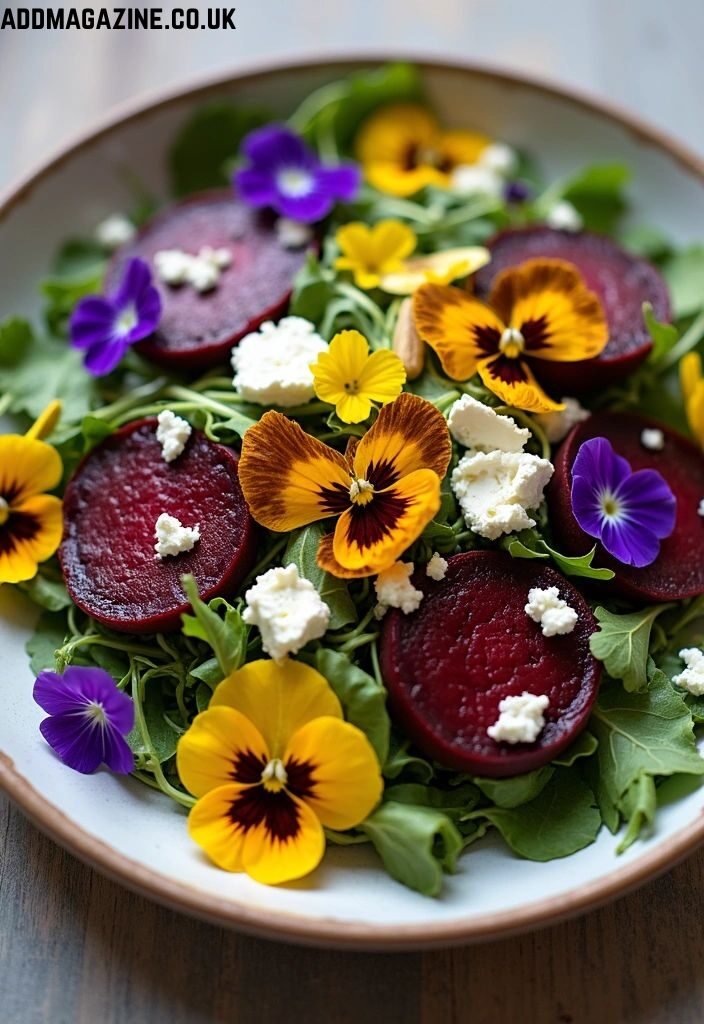
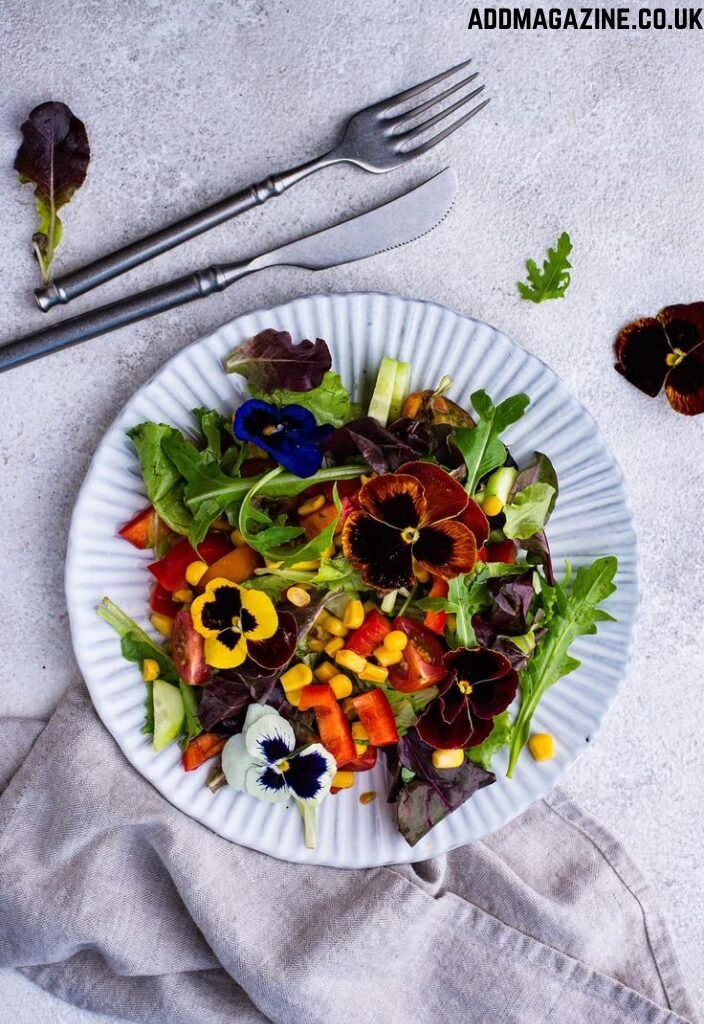
- Pansies and Violas: These bright flowers have a mild, slightly grassy or wintergreen taste and come in a rainbow of colors. They look beautiful frozen in ice cubes or candied for cake decorating.
- Lavender: The best culinary lavender for a hint of fragrance is English lavender. Its flowery, sweet taste is ideal for baking, adding honey, or creating basic cocktail syrup.
- Chive Blossoms: Let some of your chives bloom if you already grow them. These purple puffballs look great sprinkled over savory foods like baked potatoes or omelets, and they taste like mild onions.
Putting Up Your Growing Station in the Kitchen
A greenhouse is not necessary for success. Often, a sunny windowsill will suffice. To create the ideal environment, take the following actions:
Pick the correct location: the majority of edible flowers require four to six hours of sunlight each day, point out Sun-Pro Realty and Management experts. The best windows face south. Invest in a compact, full-spectrum LED grow light if there is a shortage of natural light. These can be clamped to a countertop or shelf.
Select Containers with Drainage: To avoid root rot, use pots with holes in the bottom. Pots made of terracotta or decorative ceramic are fantastic, but always use a saucer to catch any excess water.
Use High-Quality Potting Mix: Ordinary potting soil is too bulky for containers. Choose a well-draining, lightweight mixture made especially for pots.
Water Sensibly: Every day, check the soil’s moisture content. If your finger feels dry after sticking it an inch into the ground, it’s time to water. The biggest killer of indoor plants is overwatering, so steer clear of it.
Tips for Planting and Maintenance
From Seeds: Comply with the directions on your seed package. Typically, you will plant seeds just below the soil’s surface, keep them moist, and give them warmth. For instance, cooler temperatures are ideal for nasturtium germination.
From Seedlings: Purchase small plants from a nursery to get a head start. For herbs like chives or lavender, this is frequently simpler.
Feeding: Your plants will require nutrients because they are in containers and you will be harvesting them frequently. To promote blooms, apply a diluted organic liquid fertilizer every two weeks.
Deadheading: Pinch off the spent blooms on a regular basis to keep your plants producing more flowers. This deceives the plant into believing that in order to reproduce, it must produce more flowers.
Gathering and Making Use of Your Flowers
Harvesting edible flowers is best done in the cool morning after the dew has dried. They are at their most flavorful and hydrated at this time. Use scissors to carefully cut the flowers, leaving the stem intact so the plant can keep growing.
Quick Recipe Suggestions:
- Candied Violets: Apply a thin layer of egg white to fresh violets, dust them with powdered sugar, and allow them to dry on parchment paper. Top cupcakes with them.
- Nasturtium Pesto: For a spicy, bright green pesto, substitute basil for the nasturtium leaves and add a handful of the flowers.
- Lavender Lemonade: For a cool summer beverage, muddle some lavender buds in a glass with lemon juice and simple syrup.
Prioritizing Safety
A flower should always be positively identified before consumption. Verify that it hasn’t been exposed to pesticides or other chemicals that aren’t meant for human consumption if you purchased it from a florist or nursery. Grow your own from seed whenever you’re unsure so you can be certain of what goes into your soil and onto your plants.