For a long time, the car sat outside the branding conversation. Agencies focused on logos, feeds, websites, packaging. The vehicle was just something that took people from pitch to pitch.
That is changing. Creators, freelancers, and small brands now live half their life in motion. Clients see their car outside offices, in stories, in vlogs, in behind the scenes posts. For local businesses, the vehicle is often the first physical touchpoint a customer notices.
If you work in media, marketing, or design, it makes sense to treat the car as part of the brand system, not just a personal expense.
Start with the role your car plays in your story
Before thinking about colours and wraps, decide what the vehicle is supposed to say.
Ask simple questions:
- Are you positioning yourself as premium, accessible, or disruptive
- Do most of your clients meet you in city centres or at industrial sites
- Do you carry equipment, samples, sets, or just a laptop and yourself
- Does the car appear in your content or only in real life
A minimal, unbranded car can work if your personal image does all the talking. A clearly marked vehicle can help if you want trust and recognition on the street. The point is to choose intentionally, not by accident.
Match your brand personality to the shape of the car
Designers know that form communicates as strongly as colour. The same is true with vehicles.
Compact hatchbacks read as agile and urban. Estates and small vans signal practicality. Larger SUVs can lean into security and status, but can also look wasteful if your messaging is very sustainability focused.
When you are shortlisting cars, think beyond spec sheets. Ask how each shape reads next to your logo, your social feed, and the venues you visit. Many buyers now do that early comparison on broad retail platforms, using places like Autostoday to see different body styles, trims, and interiors side by side. It is the same process as moodboarding layouts; you are just doing it with vehicles.
Inside the car: a moving workspace for ideas
For people in creative and strategic roles, the car is not just transport. It is often where you decompress after a pitch, record voice notes, or listen to the long podcast that sparks your next campaign.
Interior design matters here. You want:
- Seats that support you after long shoots or back to back meetings
- A layout where cables, samples, and props do not create chaos
- A sound environment where you can actually hear audio without strain
The more your cabin feels like a calm extension of your studio or office, the more useful that time between locations becomes.
Exterior: from rolling advert to subtle signal
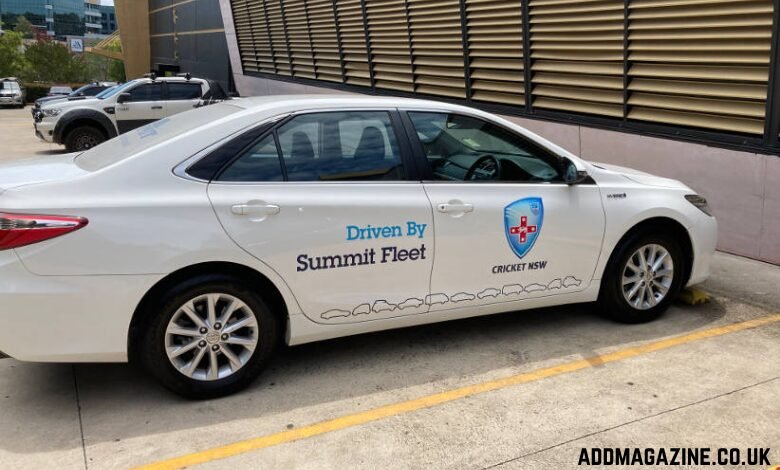
There is no single right answer to vehicle branding. Some businesses benefit from strong graphics and full wraps. Others do better with subtle decals or no markings at all.
Things to consider:
- Local regulations on window and body graphics
- How often the car will park outside client premises
- Whether you work with sensitive brands that prefer low profile partners
- The resale impact of heavy branding on a specific model
If you do choose visible branding, treat the car like a mobile billboard with strict design rules. One clear message, strong contrast, and no clutter. Your audience only sees it for a second in traffic.
Light, heat, and the creative brain
There is also a functional side to brand-aligned vehicles that often gets ignored. Bright glare, boiling interiors, and constant squinting slowly burn through focus. Over a week of location work, that shows up in mood and output.
Part of designing your “brand car” is managing the environment inside it. Along with specifying interior colours and materials that match your visual language, you can improve how the car handles light and heat.
For teams that spend long hours on the road in sunny regions, it is worth partnering with a specialist rather than treating this as an afterthought. Working with a professional car window tinting service is closer to commissioning a lighting designer than buying an accessory. You are shaping the way people see and feel in your moving workspace.
Content potential you are likely ignoring
If you work with video, social, or branded content, the car is also a flexible set you probably underuse.
You can:
- Shoot quick “day in the life” clips between locations
- Record short thoughts right after client meetings while ideas are fresh
- Use the interior as a neutral backdrop for product close ups on the go
- Create recurring formats framed around travel, commutes, or road trips
When the vehicle looks and feels like part of your brand, this content lands better. It stops feeling like random car clips and starts to look like your world.
Sustainability and cost as part of the story
Brands that talk about responsibility cannot ignore the type of cars they use. Your choice of powertrain, size, and age all send signals, especially to younger clients and colleagues.
That does not mean everyone must go electric overnight. It does mean thinking carefully about:
- Realistic annual mileage
- City versus highway use
- Access to charging or clean air zones
- The total cost and footprint over the life of the vehicle
Sometimes the most honest move is a modest, efficient petrol or hybrid car used well and kept in good condition. Sometimes an EV or shared fleet makes sense. Either way, your decision should match your public values.
“Personalized Vehicle Management: A Tailored Guide for Smooth Operations
Create a one page guideline that covers:
- What your car should communicate
- Acceptable body styles and colours
- Interior requirements for comfort and work
- Rules on branding and how it is applied
- Environmental and cost boundaries
Use that sheet when buying, leasing, or refreshing vehicles. Over time, it will keep your choices consistent, even as models and team members change.