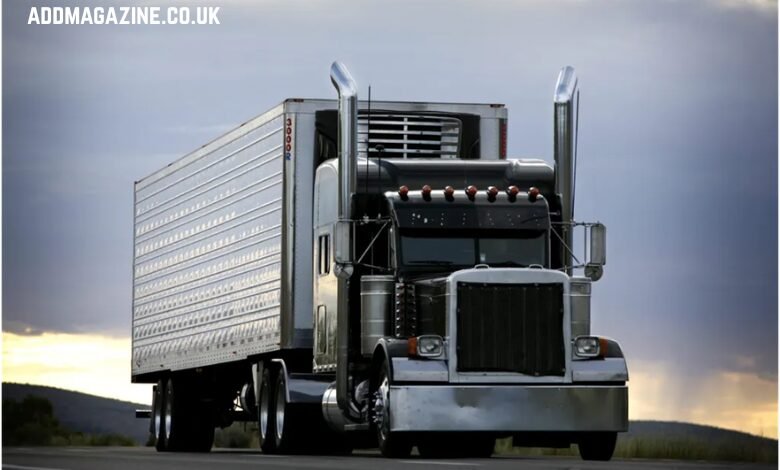
Dry van trucking remains one of the most essential segments of the freight industry. From consumer goods and packaged food to retail inventory and industrial supplies, dry van trailers move a massive portion of everyday products across the country. Because of this high demand, competition among carriers is intense, and efficiency plays a major role in long-term profitability.
For owner-operators and small fleets, keeping trucks consistently loaded while maintaining fair rates can be a daily challenge. The dry van market moves fast, and missed opportunities often translate into lost revenue and increased downtime.
The Everyday Challenges Dry Van Drivers Face
While dry van freight may seem more straightforward compared to specialized hauling, it comes with its own set of challenges. Load boards are crowded, rates fluctuate constantly, and brokers often prioritize speed over transparency. Drivers frequently spend hours searching for loads, negotiating rates, and completing paperwork — all unpaid time that cuts into earnings. For carriers operating across state lines, staying current with requirements such as IRP registration is another important part of keeping paperwork organized and avoiding unnecessary disruption.
In addition, poor planning can lead to excessive deadhead miles, inefficient routes, and scheduling conflicts at shippers and receivers. Over time, these small inefficiencies compound, making it harder for drivers to maintain steady income and predictable schedules.
Why Dispatch Support Matters in the Dry Van Market
Professional dispatch support helps eliminate many of these operational bottlenecks. A dispatcher acts as an intermediary between the driver and the freight market, handling communication, negotiations, and coordination. Instead of chasing loads, drivers can focus on driving, safety, and on-time delivery.
Experienced dispatchers understand market trends, lane demand, and pricing dynamics. They work proactively to secure loads that align with a driver’s preferred routes, equipment, and revenue goals. This strategic approach often leads to better rate consistency and reduced empty miles.
How Dry Van Dispatch Services Improve Daily Operations
Rather than offering generic solutions, these services focus on maximizing utilization, improving load selection, and streamlining administrative processes.
Dispatchers handle broker communication, rate confirmations, and scheduling while ensuring that loads fit the driver’s availability and preferences. They also help drivers avoid low-paying freight by negotiating fair market rates and identifying opportunities that support long-term profitability.
A strong dispatch partner doesn’t just book loads — they help create structure in an otherwise unpredictable market. This consistency is especially valuable for owner-operators and small fleets trying to scale without adding internal staff.
One example of a service tailored for this purpose is dry van dispatch services, which focus on keeping trucks loaded, reducing downtime, and supporting drivers with day-to-day operational coordination.
Benefits for Owner-Operators and Growing Fleets
For owner-operators, dispatch support often means less stress and more predictable income. With someone managing load sourcing and negotiations, drivers can plan their weeks more effectively and spend less time waiting between hauls. This improved balance contributes to better decision-making and overall job satisfaction.
Small fleet owners also benefit significantly. Outsourcing dispatch allows them to focus on fleet management, driver performance, and business growth instead of micromanaging every load. As fleets expand, having professional dispatch support becomes an operational advantage rather than an expense.
Building a More Sustainable Trucking Business
The dry van market is competitive, and success depends on efficiency, consistency, and smart planning. Drivers who rely solely on load boards often struggle to maintain stable earnings, especially during slower market cycles. Dispatch services help smooth out these fluctuations by applying strategy and experience to everyday operations.
By reducing administrative workload, improving load quality, and minimizing empty miles, dispatch support enables carriers to operate more sustainably. Over time, this approach leads to stronger broker relationships, better cash flow, and a more resilient trucking business.
Final Thoughts
Dry van trucking may be one of the most common freight types, but succeeding in this segment requires more than just availability. Strategic planning and professional support can make the difference between constantly chasing loads and running a well-organized operation. With the right dispatch partnership, dry van carriers can turn volume into consistent profit and position themselves for long-term success.