There was a time when waiting for a package meant forgetting about it. You placed an order, noted the estimated delivery window, and moved on. Days later, a knock at the door signaled its arrival. Today, that quiet waiting has been replaced by something more active. In the modern “waiting economy,” delivery updates have become a daily ritual, woven into routines alongside checking email, news, and social media.
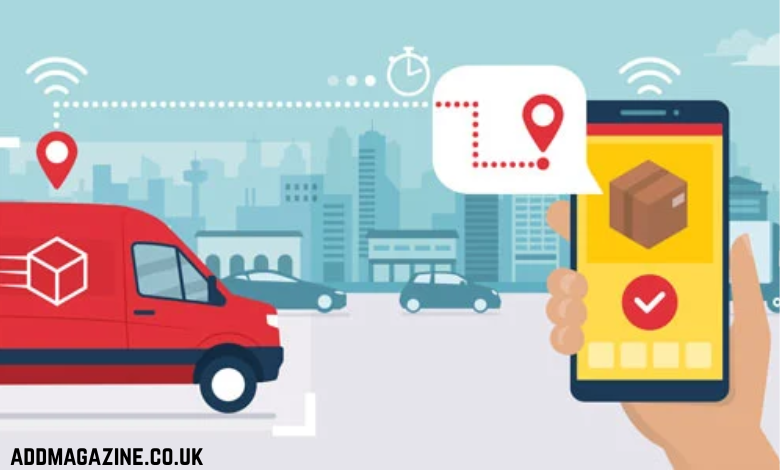
At the center of this shift are package tracking tools that have transformed the gap between purchase and arrival into a visible, measurable experience.
From passive delay to active monitoring
Online shopping introduced a structural delay between ownership and possession. Unlike buying in-store, consumers pay first and receive later. What has changed is not the delay itself, but how it is experienced.
Tracking updates breaks waiting into segments. A package leaves a warehouse. It reaches a sorting facility. It clears customs. It moves to a local depot. Each step provides reassurance that progress is happening. Instead of a vague stretch of time, the waiting period becomes a sequence of visible milestones.
This segmentation has altered consumer behavior. People now check delivery updates multiple times a day, often without new information appearing. The act itself provides comfort.
The rise of micro-moments
In a world driven by notifications, even small updates carry emotional weight. A status change can shift a mood. “Out for delivery” creates anticipation. “Delayed” triggers concern. These micro-moments accumulate, shaping how consumers perceive not only the purchase, but the brand behind it.
The waiting economy thrives on these micro-interactions. Delivery visibility fills spare moments during commutes, coffee breaks, and evenings at home. It is not just information. It is an engagement powered by modern technology.
Why visibility matters more than speed
Fast shipping remains a competitive advantage, but clarity increasingly matters just as much. Consumers tolerate delays better when they understand them. Silence, by contrast, invites worst-case assumptions.
The ability to see where an order is, even when it is not moving quickly, creates a sense of stability. Tracking does not eliminate uncertainty entirely, but it reduces its psychological impact. In doing so, it lowers support requests, reduces cancellations, and builds trust.
Retailers have recognized this dynamic. Investment in post-purchase communication has become as important as optimizing checkout flows.
A reflection of broader digital habits
The waiting economy reflects a deeper cultural pattern. Modern life is saturated with real-time data. We watch cars approach on ride-sharing maps. We monitor bank transactions instantly. We track flights as they cross continents.
Delivery updates fit naturally into this ecosystem. Consumers no longer accept opaque processes. They expect visibility as a standard feature of any digital interaction.
This expectation extends beyond convenience. It touches on accountability. Transparent updates signal that a company stands behind its logistics network.
When tracking becomes emotional
Beyond practicality, delivery tracking taps into anticipation. Shopping often carries emotional significance, whether it’s a new gadget, clothing for an event, or a gift for someone else. Watching that item move through the system intensifies the sense of arrival.
Each update builds toward a moment of completion. When the package finally reaches the doorstep, the experience feels earned.
The future of waiting
As e-commerce volumes continue to grow, the waiting economy will only deepen. Artificial intelligence and predictive analytics are already refining delivery estimates and providing contextual explanations for delays.
But at its core, the phenomenon is simple. Consumers want reassurance. They want to know that their purchase is in motion, not in limbo.
Package tracking has transformed waiting from a silent pause into an active, data-driven experience. In doing so, it has quietly reshaped daily life in the digital age.