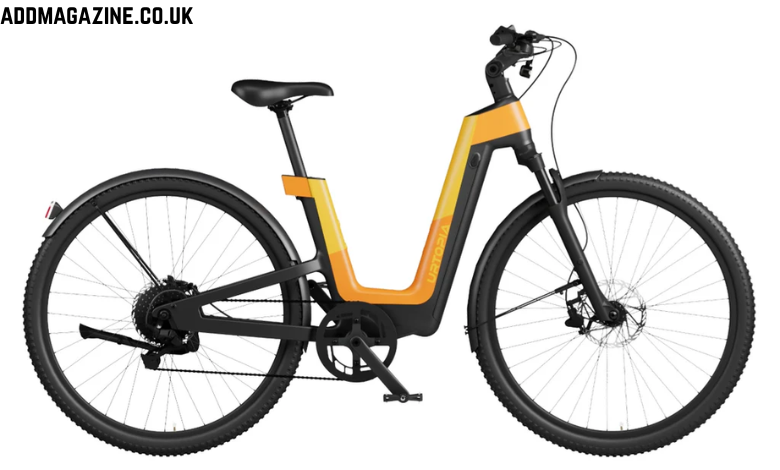
For decades, the American Dream was synonymous with a set of car keys. But for Gen Z, born between 1997 and 2012, that dream has hit a massive traffic jam. Instead of saving up for a down payment on a sedan, young Americans are flocking to the best ebikes as their primary mode of transportation, signaling a fundamental shift in how we view mobility in the 21st century.
The Financial “Anchor”: Why Cars No Longer Make Sense
The primary driver behind this shift is cold, hard cash. Gen Z is entering the workforce during a period of unprecedented inflation and a “perma-crisis” economy. For a 22-year-old starting their first job, the math on car ownership simply doesn’t add up. Between the average monthly payment for a new car—which has hovered around $700—and the skyrocketing costs of insurance, maintenance, and gas, a vehicle is no longer a tool for freedom; it’s a financial anchor.
In contrast, an e-bike offers a one-time investment that pays for itself in months. While a high-quality electric bike might cost between $1,500 and $3,500, that is roughly equivalent to just four or five months of total car ownership costs. When you factor in the lack of registration fees, the absence of “parking trauma” in expensive downtown cores, and the ability to charge a battery for pennies, the choice becomes a “no-brainer” for a generation that values financial agility over traditional status symbols.
Climate Anxiety and the Carbon Footprint
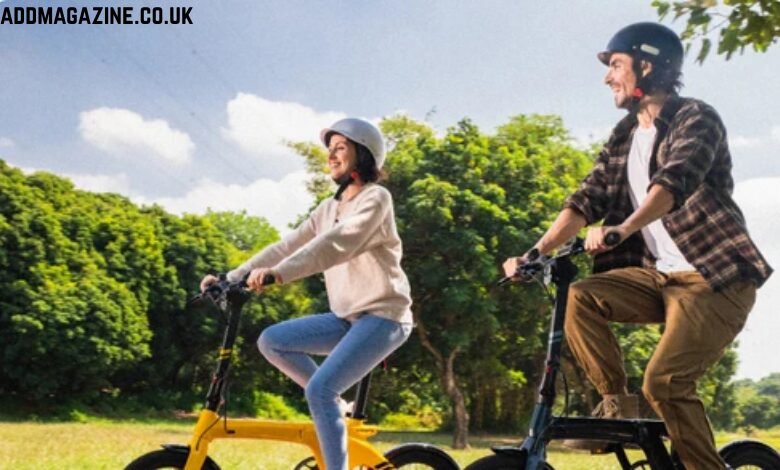
Beyond the wallet, there is the conscience. Gen Z is arguably the first generation to make major life decisions through the lens of “climate anxiety.” They have grown up watching the tangible effects of global warming, and for many, idling in a six-lane highway in a gas-guzzling SUV feels like a betrayal of their values.
While Electric Vehicles (EVs) are often touted as the solution, Gen Z is savvy enough to realize that a 6,000-pound electric Hummer still requires massive amounts of lithium and contributes to tire microplastic pollution. The e-bike represents a “right-sized” solution. It uses a fraction of the raw materials, requires significantly less energy to move, and allows the rider to bypass the gridlock that defines urban life. To Gen Z, sustainability isn’t a marketing buzzword; it’s a survival strategy.
The Rise of the “15-Minute City”
The shift toward e-bikes is also a reflection of where Gen Z wants to live. There is a growing rejection of the sprawling, car-dependent suburbs that defined the lives of their parents. Instead, young professionals are gravitating toward “15-minute cities”—urban environments where work, groceries, and socializing are all within a short radius.
In these environments, a car is often a liability. Finding parking in neighborhoods like Brooklyn, Seattle’s Capitol Hill, or Austin’s East Side is a daily nightmare. An e-bike eliminates this friction. It allows a rider to zip through a bike lane, lock up directly in front of a coffee shop, and arrive at their destination faster than a car stuck in peak-hour congestion. The “sweat factor” that used to deter people from traditional cycling has been solved by pedal assist; you can now commute to an office at 20 mph without needing a shower upon arrival.
Wellness as a Lifestyle, Not a Chore
Mental health is a cornerstone of Gen Z culture, and the daily commute plays a massive role in that. Multiple studies have shown that driving in heavy traffic is one of the most stressful activities in modern life, linked to higher cortisol levels and “road rage.”
By choosing a bike, Gen Z is turning a mundane commute into a moment of wellness. The “Active Commute” provides a low-impact workout and a dose of Vitamin D before the workday even begins. It provides a sense of connection to the local community—the ability to see the world at a human scale rather than through a windshield. For a generation that spends a significant portion of their time behind screens, the sensory experience of the wind and the environment is a necessary digital detox.
Tech-Native Design and Social Status
Finally, we have to talk about the “cool factor.” Cars have become increasingly homogenized in design, but the e-bike market is exploding with variety. From sleek, minimalist frames with integrated GPS and anti-theft tracking to rugged “moped-style” bikes that look like vintage motorcycles, these machines appeal to Gen Z’s desire for unique self-expression.
Modern e-bikes are built for a digital-native generation. App connectivity allows riders to tune their motor performance, track their fitness metrics, and even remotely lock their bike. In many social circles, showing up on a custom-built e-bike carries more social “clout” than showing up in a generic luxury sedan. It signals that the owner is tech-savvy, environmentally conscious, and untethered from the outdated systems of the past.
The Infrastructure Hurdle
Of course, this revolution isn’t without its challenges. The biggest barrier to total e-bike adoption in the United States remains infrastructure. Gen Z is leading the charge in demanding “protected” bike lanes and better urban planning. They aren’t just buying bikes; they are voting for candidates who prioritize people over parking lots. As more cities see the economic benefits of a bike-friendly population—including lower road maintenance costs and higher foot traffic for local businesses—the American landscape is beginning to transform.
Conclusion
The transition from cars to e-bikes is not just a trend; it’s a generational pivot. Gen Z is looking at the world they’ve inherited and choosing a path that is more affordable, more sustainable, and more enjoyable. They have realized that freedom isn’t found in a garage; it’s found in the ability to move through the world without the burden of debt or the guilt of a heavy carbon footprint.
As battery technology improves and US cities continue to build out safer cycling networks, the “car-free” lifestyle will move from the fringe to the mainstream. For Gen Z, the road ahead isn’t paved with asphalt and exhaust—it’s powered by a battery and a pair of pedals.