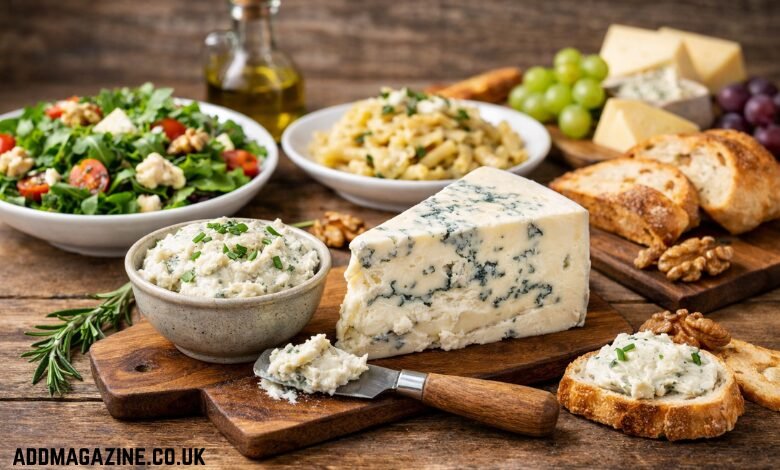
Masgonzola is a distinctive cheese, celebrated for its balanced combination of the smoothness of mascarpone and the characteristic blue veining of gorgonzola. Unlike traditional blue cheeses, Masgonzola stands out for its creaminess and relatively mild flavor, making it an appealing choice for those who enjoy blue cheese but prefer a less pungent version. Originating in Italy, it brings together two iconic cheese varieties, offering a new way to enjoy blue cheese with a unique twist.
The Origins and Production of Masgonzola
Masgonzola’s creation is rooted in Italian cheesemaking traditions. While the cheese does not have the centuries-old heritage of some other cheeses, it reflects Italy’s rich history of dairy production. Its creation involves blending two well-known cheeses: mascarpone, a rich, creamy cheese, and gorgonzola, an Italian blue cheese that has been made for centuries.
To make Masgonzola, cheesemakers blend mascarpone with gorgonzola curds, a technique that softens the sharpness of the blue cheese while preserving its characteristic veining and flavor profile. This exceptional blend creates a cheese that combines the rich creaminess of mascarpone with the subtle tang of gorgonzola’s blue veins. The production process allows for a shorter aging period, which helps keep the flavor less intense and more approachable.
The Flavor and Texture of Masgonzola
One of the key features of Masgonzola is its balanced flavor. The blend of mascarpone and gorgonzola results in a cheese that is much milder than other blue cheeses. While traditional blue cheeses can be overwhelming in their sharpness and intensity, Masgonzola’s flavor is smoother, offering a more subtle version of the blue cheese experience. The gorgonzola’s characteristic blue veins provide just enough tang without dominating the taste.
Texturally, Masgonzola is semi-soft and creamy, which makes it spreadable and easy to incorporate into various dishes. Unlike the crumbly texture of aged gorgonzola, Masgonzola retains a smooth consistency that melts well in sauces, spreads, and dressings. Its creaminess is a hallmark, making it ideal for a variety of applications where texture and flavor balance are essential.
Cooking with Masgonzola
Masgonzola’s adaptability in the kitchen makes it an excellent choice for a wide range of both savory and sweet recipes. Its smooth texture and balanced flavor lend themselves well to a variety of culinary uses.
1. In Salads
Masgonzola is an excellent addition to salads. Its smooth, subtle flavor pairs perfectly with fresh greens like arugula, spinach, or a variety of mixed lettuces. It pairs especially well with fruits like pears, apples, and figs, which bring out the cheese’s natural sweetness. The creamy consistency of Masgonzola complements the crispness of the salad, contributing richness without overwhelming the other flavors.
2. In Pasta Dishes
Masgonzola melts beautifully, making it an ideal ingredient for creamy pasta sauces. It can be added directly to hot pasta for a rich, smooth coating that enhances the dish without being too heavy. Whether paired with vegetables, chicken, or seafood, Masgonzola can elevate a pasta dish with its creamy texture and subtle blue flavor.
3. On Pizza
Masgonzola is a great alternative to traditional pizza cheeses. It melts easily and adds a creamy, tangy element to the pizza without overpowering the other ingredients. Masgonzola can be used as a topping on its own or combined with other cheeses for a more complex flavor profile. It pairs well with savory toppings like caramelized onions, mushrooms, and roasted vegetables.
4. As a Spread
Masgonzola’s creamy texture makes it perfect for use as a spread on bread, crackers, or toasted baguettes. It can be served as part of a cheese board alongside fruits, nuts, and other mild cheeses. Masgonzola is perfect for appetizers or snacks and can be blended with various herbs or seasonings for added depth.
5. In Sauces and Dips
Masgonzola is perfect for creating rich, creamy sauces or dips. Whether used as a base for a pasta sauce or mixed into a warm dip for vegetables or bread, the cheese adds a velvety richness that enhances the dish. Its mild blue flavor adds depth without being overpowering, making it ideal for more delicate recipes.
Nutritional Information
Like most cheeses, Masgonzola is a good source of protein and calcium, both of which are important for bone health and overall body function. However, due to its creaminess and high-fat content, it’s also relatively calorie-dense. A typical serving of Masgonzola contains about 80 to 100 calories, with a significant amount of saturated fat. As with all cheeses, it’s best enjoyed in moderation as part of a balanced diet.
In addition to calcium and protein, Masgonzola also contains small amounts of vitamins A and B12, both of which support vision and nerve function. While it is a nutritious food, those who are watching their calorie or fat intake should consume it in smaller quantities.
Masgonzola vs. Gorgonzola
While Masgonzola takes inspiration from gorgonzola, it is distinct in its own right. The two cheeses differ in their aging processes and overall flavor profiles. Gorgonzola is typically aged for several months, developing a more robust flavor and firmer texture, whereas Masgonzola is a younger, creamier cheese that is easier on the palate. The sharpness and tanginess of gorgonzola are softened in Masgonzola, making it a more approachable option for those who are new to blue cheeses or prefer a milder flavor.
Gorgonzola can be quite intense, with the aging process resulting in a more pungent aroma and stronger flavor. In contrast, Masgonzola maintains some of the characteristics of gorgonzola but in a gentler form that allows it to blend seamlessly into dishes without overpowering other ingredients.
Conclusion
Masgonzola is a modern creation that brings together the creaminess of mascarpone and the signature blue character of gorgonzola. Its rich texture and smooth flavor make it a versatile addition to a wide range of dishes. From salads and pastas to cheese boards, Masgonzola elevates any meal with its mild yet distinctive blue taste. While it may not have the historical fame of other cheeses, it has quickly earned a place in kitchens for its balance of richness and approachability. Whether you’re an experienced blue cheese lover or a newcomer, Masgonzola offers a harmonious and inviting option for all palates.