Introduction
Welding is an essential skill for both hobbyists and professionals who want to work with metal. Two of the most popular types of welding are MIG (Metal Inert Gas) welding and stick welding. Each method has its own advantages and is suitable for different kinds of projects. Understanding the basics of a mig welding machine and stick welding equipment is crucial for beginners. A MIG welder is often easier to learn, offering smooth and consistent welds, while stick welding is more versatile for outdoor and heavy-duty work. Knowing which type of welding to use, and having the right equipment, can make a big difference in the quality and safety of your welding projects. This guide will cover the essentials of both MIG and stick welding to help you get started with confidence.
Understanding Mig Welding Machines
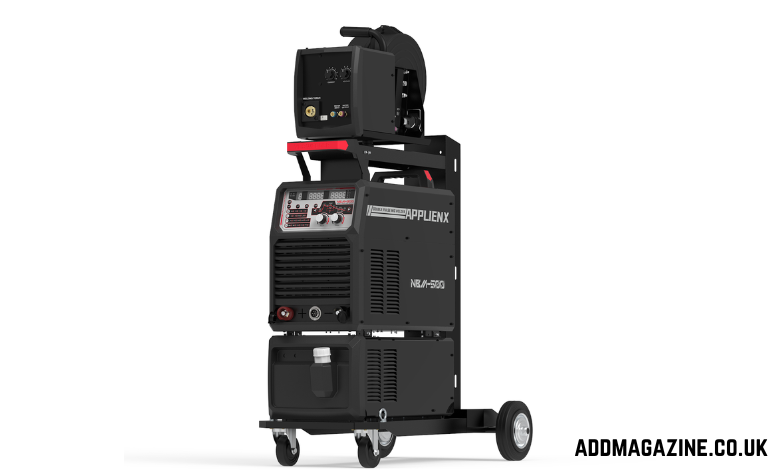
A mig welding machine uses a spool of wire as an electrode and an inert gas to protect the weld from contamination. MIG welding is popular because it is easier for beginners to learn and produces clean, strong welds quickly. The process involves feeding the wire through the welding gun, where it melts and joins the metals. MIG welders are ideal for thin materials like steel, aluminum, and stainless steel. They work best in indoor or controlled environments because the shielding gas can be affected by wind. One of the biggest advantages of MIG welding is the speed and consistency it provides, which is perfect for small projects, automotive repairs, and hobby work. Learning to set the voltage and wire speed correctly is important to get smooth welds without defects.
Benefits of Using Mig Welding Machines
Using a mig welding machine comes with several benefits that make it a preferred choice for beginners. First, MIG welding is faster than most other welding methods, which saves time on projects. Second, it produces cleaner welds with minimal spatter, reducing the need for extensive cleanup. Third, MIG welding can be used on various metals, giving flexibility in project choices. Beginners also find MIG welding less intimidating because the process is continuous and easier to control compared to stick welding. Additionally, MIG machines often come with adjustable settings, allowing new welders to practice and improve their skills gradually. Overall, the efficiency, versatility, and ease of use make MIG welding machines an excellent starting point for those new to welding.
Understanding Stick Welding Equipment
Stick welding equipment, also called SMAW (Shielded Metal Arc Welding), uses a consumable electrode coated in flux. The flux creates a shielding gas when heated, protecting the weld pool from contaminants. Stick welding is known for its durability and ability to work on thicker metals. Unlike MIG welding, stick welding can be used outdoors in windy or dirty conditions, making it ideal for construction and repair projects. The process requires more skill because it involves striking an arc and maintaining a steady hand to produce consistent welds. Stick welding equipment typically includes a welding machine, electrode holder, grounding clamp, and protective gear. Understanding how to use this equipment properly is essential for achieving strong, long-lasting welds.
Benefits of Stick Welding Equipment
Stick welding equipment offers advantages that make it essential for heavy-duty and outdoor welding projects. One key benefit is its versatility in different weather conditions, including rain or wind, where MIG welding may fail. Stick welding can also handle thicker materials effectively, making it suitable for structural work and repairs. The equipment itself is usually more affordable and portable, which is convenient for job sites. Stick welding allows welders to work on rusty or dirty metal surfaces without compromising weld quality. Though it requires more practice, learning to use stick welding equipment can be highly rewarding. It develops your precision, patience, and control, which are crucial skills for all types of welding.
Choosing Between Mig Welding and Stick Welding
For beginners, choosing between a mig welding machine and stick welding equipment depends on the type of projects you plan to do. MIG welding is ideal for clean, precise work on thin metals and indoor projects. Stick welding is better for outdoor, heavy-duty, or repair work where conditions may not be ideal. It’s also important to consider your comfort level and learning curve. MIG welding generally offers faster results and easier control, while stick welding builds foundational skills in handling the electrode and arc. Some welders even choose to learn both methods to expand their capabilities. Understanding your needs and the strengths of each method ensures that you invest in the right equipment for your projects.
Safety Tips for Beginners
Safety is a top priority when using a mig welding machine or stick welding equipment. Always wear protective gear, including a welding helmet with the correct shade, gloves, long sleeves, and flame-resistant clothing. Ensure proper ventilation when welding indoors to avoid inhaling harmful fumes. Keep a fire extinguisher nearby, and make sure the workspace is free from flammable materials. Beginners should also practice maintaining a steady hand and proper distance from the metal to prevent burns or poor welds. Understanding the settings on your welding machine and the correct techniques reduces the risk of accidents. Following these safety measures will help beginners build confidence while staying protected.
Conclusion
Getting started with welding doesn’t have to be complicated. Learning about a mig welding machine and stick welding equipment gives beginners a solid foundation to tackle a variety of projects. MIG welding is perfect for indoor, precise work, while stick welding excels outdoors and on thicker materials. Both methods have unique benefits and applications, and mastering each one opens doors to more advanced welding skills. By choosing the right equipment, practicing proper techniques, and following safety precautions, beginners can enjoy welding as a rewarding and creative skill. With time and dedication, anyone can develop the expertise needed to produce strong, high-quality welds with confidence.