The first time you hear Botulax aesthetic solution mentioned casually in a clinic hallway, you might pause. I did. It sounded… clinical, obviously, but also oddly normal. Like someone saying “coffee’s ready.” That’s kind of the point, I think. These products—once mysterious, almost taboo—now power the everyday rhythm of modern aesthetic clinics. You’re not walking into some sci-fi lab anymore. You’re stepping into a space that feels half medical, half wellness lounge, half “wait, is this just a really calm spa?”
And if you’re curious—really curious—about what’s behind the scenes, it’s not just needles and white coats. It’s a whole ecosystem of products. Injectables, devices, skincare lines, disposables, machines that hum softly in the corner. Some glamorous. Some boring. All weirdly important.
Let’s talk about them. Not like a brochure. More like a friend explaining what they noticed while sitting on that slightly too-comfortable clinic chair, staring at the ceiling light.
Injectables: The Headliners (Obviously)
You already know these are the stars. The products everyone whispers about. Or Googles at 2 a.m.
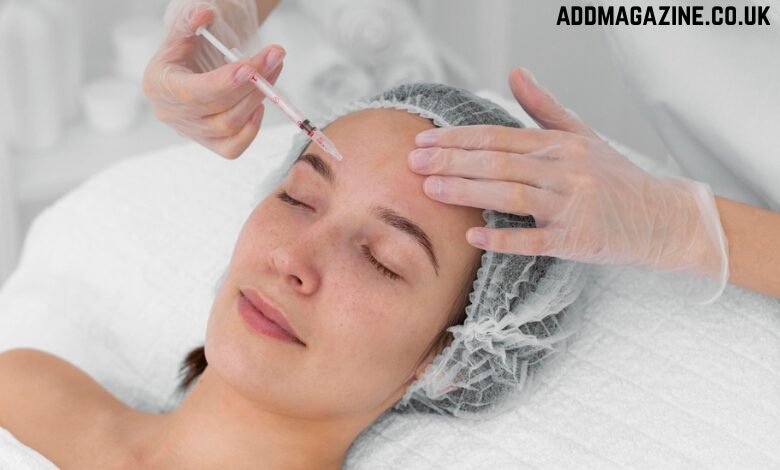
Neuromodulators—Botox, Dysport, Xeomin, and yes, Botulax—are everywhere. They’re not interchangeable, despite what Instagram comments might suggest. Each has its own diffusion pattern, onset time, and… vibe? (I know, that sounds unscientific, but clinicians talk like this.)
Botulax aesthetic solution, for example, is often chosen for its consistency and affordability in certain markets. Some practitioners like how predictably it behaves. Others prefer alternatives. There’s a lot of opinion here. A lot.
“Neuromodulators remain the most commonly performed non-surgical aesthetic procedure worldwide,” notes the International Society of Aesthetic Plastic Surgery (ISAPS) in its global statistics report. And honestly, that checks out when you look around.
Then you’ve got dermal fillers. Hyaluronic acid-based ones mostly. Brands you’ve heard of. Some you haven’t. They’re used for volume, contour, subtle reshaping. Or not-so-subtle, depending on the injector and, well, the patient.
I once overheard someone say, “I just want my face back, not a new one.” That stuck with me.
Energy-Based Devices: The Quiet Powerhouses
These machines don’t get enough credit. They’re not flashy on social media. You can’t really show “radiofrequency tightening” in a single before-and-after photo without explaining things.
But clinics rely on them. Deeply.
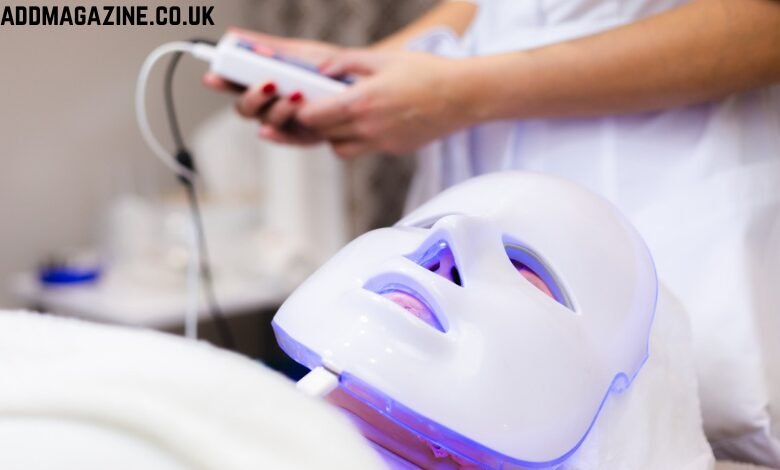
Lasers for pigmentation, hair removal, resurfacing. RF microneedling devices that sound mildly terrifying until you realize they’re basically controlled chaos for collagen. Ultrasound machines promising lifting without surgery.
According to a review published in The Journal of Cosmetic Dermatology, energy-based devices have shown “consistent improvements in skin laxity and texture when protocols are properly followed.” (That “properly” is doing a lot of work there.)
These products require training. Maintenance. Calibration. They break. They get outdated. Clinics have to choose carefully because these machines cost as much as a small car. Sometimes more.
And you, as a patient, might never even know which brand is touching your skin. You just feel the warmth. Or the zaps moment.
Clinical Skincare: Not Just Fancy Creams
This part surprised me. Maybe it’ll surprise you too.
Medical-grade skincare isn’t just retail filler near the checkout desk. It’s treatment support. Pre-procedure prep. Post-procedure repair. Barrier restoration. Pigment control.
Think antioxidants, retinoids, growth factors, peptides. Ingredients with evidence behind them, not just pretty packaging.
The American Academy of Dermatology (AAD) emphasizes that post-procedure skincare can significantly impact healing outcomes and patient satisfaction. Translation: what you put on your face after matters. A lot.
Clinics stock brands they trust. Ones that don’t cause reactions. Ones that behave predictably (there’s that word again). Sometimes the packaging is ugly. Sometimes the price hurts a little. Sometimes both.
But there’s logic behind it. Usually.
Consumables & Disposables: The Unsexy Essentials
Nobody talks about these. But without them? Nothing works.
Syringes. Cannulas. Gloves. Alcohol swabs. Saline. Numbing creams. Gauze. Ice packs. Sharps containers. Endless, endless supplies.
They don’t sell the dream. They ensure safety.
A clinic’s choice of disposables says a lot, actually. Cheap ones feel cheap. High-quality ones feel smooth, precise. It’s subtle, but you notice when something doesn’t snag or stick or feel off.
And from a regulatory standpoint, this is where clinics can’t cut corners. Ever.
A Quick Comparison
| Product Category | Why Clinics Need Them | What You Notice |
| Neuromodulators | Muscle relaxation, wrinkle smoothing | Results in days |
| Dermal Fillers | Volume, contour, structure | Immediate change |
| Energy Devices | Skin tightening, resurfacing | Gradual improvement |
| Clinical Skincare | Healing, maintenance | Texture, glow |
| Disposables | Safety, precision | Hopefully nothing |
Simple. Not simple. You get it.
Pro Tip #1: Ask What’s Being Used
You’re allowed to ask. You really are.
What brand of filler? Which neuromodulator? Which laser platform? A good clinic won’t get defensive. They’ll explain. Or at least try to.
If they won’t say anything at all… that’s information too.
The Business Reality
Here’s the part people forget. These products power a business.
Inventory management. Expiry dates. Supplier relationships. Training certifications. Product reps showing up with coffee and slide decks.
Clinics don’t just choose what works best clinically. They choose what they can source reliably. What patients recognize. What fits their price structure.
That tension shapes everything. Including your treatment menu.
Pro Tip #2: More Products ≠ Better Clinic
Certain clinics display their equipment and tools as if they were prized possessions. Others keep things minimal.
Neither approach is automatically better.
What matters is whether the products are used well. Consistently. Thoughtfully. In my experience, a clinic that knows five products deeply often outperforms one juggling twenty badly.
The Human Factor
Here’s the uncomfortable truth.
All these products? They’re tools. The real variable is the person using them.
Training, experience, judgment, restraint. Knowing when not to inject. Or laser. Or sell you something.
As one editorial in Aesthetic Surgery Journal put it, “Outcomes in aesthetic medicine are as dependent on practitioner decision-making as on the products themselves.”
You feel that. Even if you can’t articulate it.
Final Thoughts
So yeah. Today’s aesthetic clinics are powered by an entire universe of products. Some hyped. Some are humble. Some genuinely impressive. Others… probably over-marketed.
But when it works—when the right product meets the right hands at the right time—it doesn’t feel flashy. It feels calm. Normal. Like nothing dramatic happened, even though something did.
And maybe that’s the goal now. Not transformation. Not shock. Just feeling like yourself again. Slightly rested. Slightly smoother. Slightly more confident.
Or maybe that’s just me projecting. Probably.
Either way, next time you’re in a clinic, waiting, listening to the quiet beep of a machine in the next room—remember there’s a whole system behind that moment. Products, decisions, trade-offs. All humming along so you can lie there and think about literally anything else… or nothing at all.