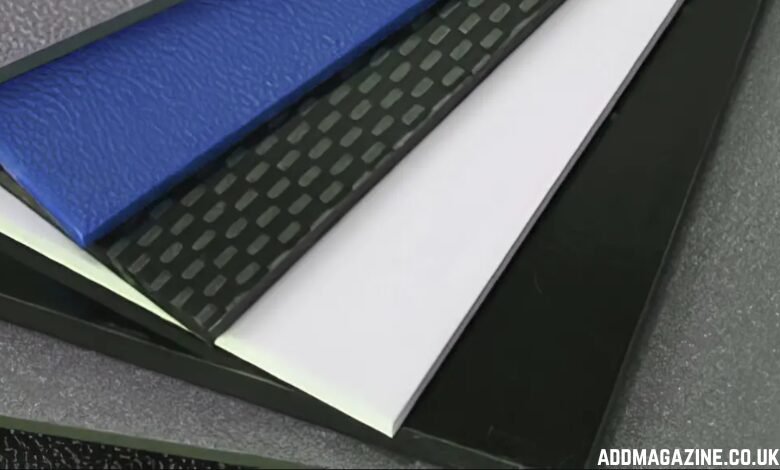
ABS plastic sheets are among the most widely used materials across many industries. Short for Acrylonitrile Butadiene Styrene, this thermoplastic polymer is valued for its strong balance of durability, impact resistance, and ease of fabrication. Because it can be easily moulded, cut, and formed while maintaining excellent strength, this is an ideal material for both manufacturers and designers. From automotive components and electronics housings to consumer products and toys, ABS is used in countless everyday applications.
Advantages of ABS Plastic
When you’re choosing a material that needs to balance strength, flexibility, and practicality, this one tends to tick a lot of boxes. It’s widely used across industries because it handles everyday wear while still looking good and performing reliably over time.
- Strong against impact: One of the standout things about impact-resistant ABS material is that it can take knocks and bumps without cracking easily. It’s ideal for products that need to last in busy or demanding environments. Whether you use it indoors or expose it to changing temperatures, it resists damage.
- Solid structure: With a good balance of strength and rigidity, it holds its shape well under pressure and works for both light-duty and more structural uses.
- Easy to work with: Whether it’s moulded, machined, or even 3D printed, this material adapts well to different manufacturing methods, making it a favourite for custom designs.
- Resistant to chemicals: It holds up against many everyday substances like acids, alkalis, and certain solvents, so it’s less likely to degrade in challenging conditions.
- Reliable insulation: Thanks to its insulating properties, it’s commonly used in electrical housings and components where safety matters.
- Smooth finish potential: You can sand it, paint it, or polish it to achieve a clean, professional look, which is great when appearance is just as important as performance.
Disadvantages of ABS Plastic
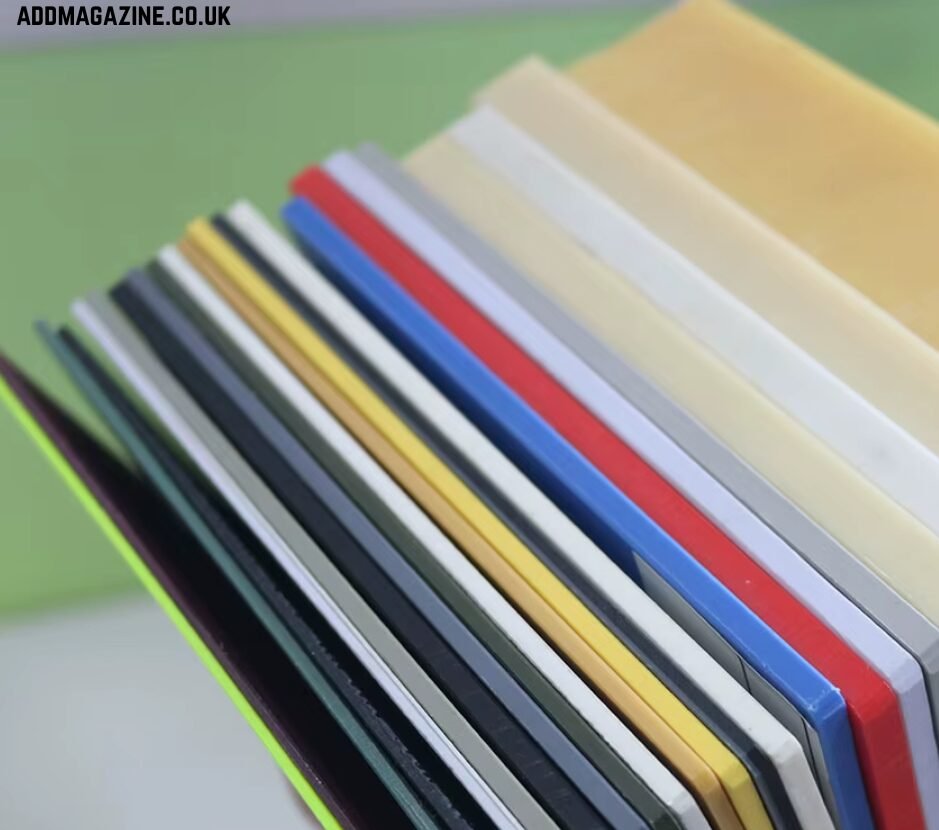
While ABS plastic panels have plenty of strengths, they also come with a few drawbacks, especially depending on how and where it’s used. One of the main concerns is that constant exposure to UV rays can cause it to fade, weaken, and become more brittle. This makes it less suitable for long-term outdoor use unless it’s specially treated.
Heat is another factor to keep in mind. It has a melting range sitting roughly between 200°C and 240°C. When pushed beyond its comfort zone, it can start to soften, lose its shape, or compromise its structural integrity, which limits its use in high-heat environments.
There’s also the issue of flammability. It can catch fire relatively easily and, when it burns, it may release fumes that aren’t ideal to be around. Because of this, it often needs additional treatment if it’s going to be used in settings where fire resistance matters.
How Is It Made?
The production process of ABS material depends on what you need, whether that’s large quantities, detailed designs, or quick prototypes. For high-volume production, injection moulding is the usual process. It allows manufacturers to create detailed, consistent parts with tight precision. This is ideal for everything from consumer goods to automotive components.
On the other hand, if you only need a small batch or something more customised, CNC machining is often used. This approach involves cutting the material into shape with high accuracy, which works well for more specific or technical pieces.
If speed and flexibility are the priority, especially in early stages, 3D printing is a popular option. It makes it easier to test designs and produce complex shapes without the need for expensive tooling. There are also methods like extrusion, which is used to form long, continuous shapes such as rods or sheets, and can then be cut to size depending on the application.
For hollow items, people often use blow moulding, while thermoforming is used when working with heated sheets that are shaped over moulds. Each of these processes offers unique advantages, which is why this material remains so widely used across different industries.
Where’s ABS Commonly Used?
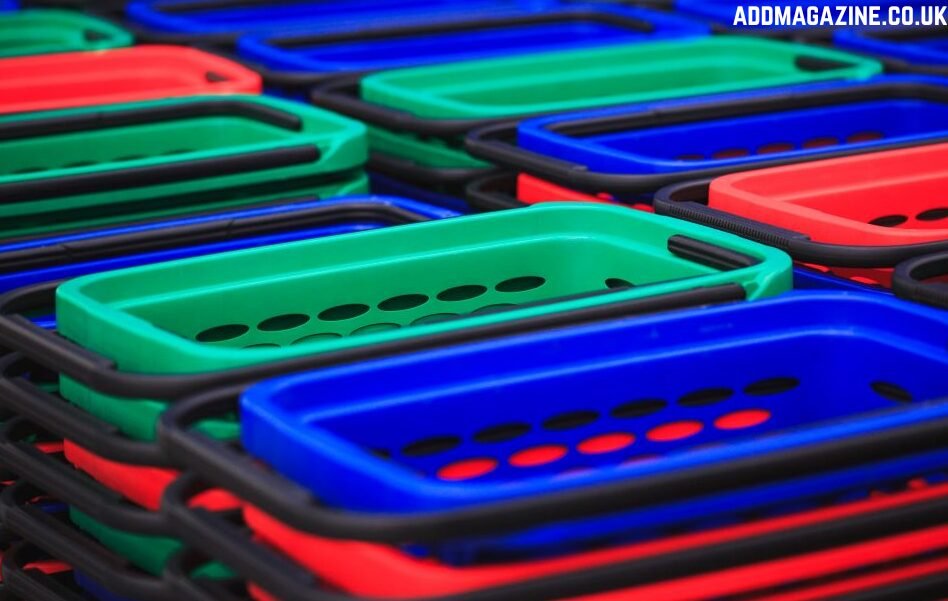
Few materials can match the versatility of ABS sheets. The combination of strength, impact resistance, and ease of shaping makes them an ideal choice across countless industries. You’ll often find this material in everyday items you use without even thinking about it. From the electronics that keep us connected to the gear that keeps us safe and entertained, this material has many applications.
- Consumer electronics like phone cases, keyboards, and remote controls, where durability and electrical insulation are essential.
- Automotive components such as dashboards, door panels, and trim pieces, taking advantage of its strength and smooth finish.
- Toys and games, which benefit from its toughness and ability to be moulded into complex shapes.
- Household appliances, including blenders, vacuum cleaners, and coffee makers, where chemical resistance and durability matter.
- Medical devices – from instrument housings to lab equipment, this material is valued for sterility and resilience.
- Sports and recreational gear, like helmets, protective pads, and bicycles, where ABS offers impact resistance and weather tolerance.
Similar Materials
Several materials that share qualities with ABS. Polypropylene handles heat and chemicals well but lacks the stiffness and impact strength of ABS. Polycarbonate rivals it in toughness and clarity but costs more. It’s ideal for applications like safety gear and screens.
Polyethene is versatile and chemically resistant, though softer, while Nylon offers impressive strength and wear resistance and is often used for mechanical parts. Each material has its niche, but ABS hits a sweet spot of durability, versatility, and cost that keeps it widely popular.
ABS sheets strike a balance between strength, flexibility, and workability, which is why you’ll see them in everything from electronics to household appliances. Of course, no material is perfect, and it’s important to be mindful of factors like heat, UV exposure, and flammability when choosing it for a project. Whether you’re a designer, engineer, or hobbyist, the combination of durability, adaptability, and aesthetic potential makes this plastic a solid choice for countless applications. When you understand its strengths and limitations, you can make smarter decisions and ensure your projects not only look good but perform reliably over time. With so many ways to shape, mould, and customise it, this material remains an ideal blend of practicality and quality.