Fashion, once seen as a realm defined by conformity and fleeting trends, has transformed into a dynamic and inclusive space where diversity is celebrated, individuality is championed, and alternative styles are not only accepted but revered. Over the past decade, a seismic shift has occurred within the fashion industry, with alternative and inclusive fashion playing a pivotal role in this evolution. No longer restricted to mainstream ideologies, fashion has expanded to encompass a range of identities, body types, and personal expressions, particularly in the UK, where fashion’s influence is far-reaching and evolving globally. This cultural shift, powered by inclusivity and individuality, is not just a trend but a movement, one that is reshaping modern style culture in the UK and beyond.
The Rise of Inclusive Fashion
The concept of inclusive fashion revolves around breaking traditional beauty standards that have long dictated the types of bodies and identities deemed “fashionable.” In a world where fashion icons were once predominantly tall, slender, and cisgender, today’s industry reflects a much more expansive definition of beauty and self-expression. From size-inclusive clothing lines to gender-neutral collections, inclusive fashion is creating space for people of all shapes, sizes, ethnicities, and gender identities.
Brands and designers are no longer solely focused on creating clothes for a specific body type or gender, recognizing that their customers are diverse and deserve clothing that reflects their individuality. This change has paved the way for people to express themselves authentically without the constraints of outdated stereotypes. As a result, the fashion industry is seeing more options for those who may have previously felt excluded.
The Influence of Alternative Fashion
Alternative fashion is an umbrella term that includes many subcultures and countercultural movements, such as punk, goth, grunge, and avant-garde. It goes beyond the conventional mainstream, offering bold, edgy, and often nonconformist pieces that allow wearers to express their personal rebellion against societal norms.
In the UK, alternative fashion has seen a revival, with numerous young people turning to alternative styles as a form of resistance against the cookie-cutter ideals promoted by fast fashion and mainstream media. Subcultures, like the punk movement of the late 1970s, have evolved into new forms of self-expression, often embracing DIY ethos, sustainability, and a rejection of mass-market consumerism.
Today, many alternative fashion brands are embracing themes of empowerment, sustainability, and individuality, creating pieces that cater to those who seek to break free from conventional fashion norms. From the rebellious aesthetic of punk fashion to the futuristic allure of cyberpunk, alternative fashion offers endless possibilities for people to embrace their true selves and defy the mainstream.
Gender Fluidity in Fashion
One of the most powerful shifts in the fashion world has been the embracing of gender fluidity. Traditional ideas of “men’s clothing” and “women’s clothing” are being dismantled, and the industry is increasingly recognizing that gender is not binary. Clothing lines that cater to all genders, or even none, have emerged as a result of this change. Gender-neutral fashion allows individuals to express their identities without being confined by societal expectations.
In the UK, this shift has been particularly visible within the LGBTQ+ community, where many have long been advocating for fashion that transcends gender boundaries. The rise of brands offering gender-neutral clothing collections reflects this need, and consumers are embracing these pieces with open arms. Styles that were once considered exclusively for men or women are now worn by anyone who chooses, without fear of judgment.
The Popularity of Femboy Fashion
An exciting development in this space is the emergence of femboy fashion. Femboys, individuals who embrace feminine aesthetics while maintaining a traditionally masculine gender expression, are gaining prominence in fashion culture. Femboy fashion is a prime example of how gender fluidity is revolutionizing style, offering clothing that blurs the lines between traditionally masculine and feminine styles.
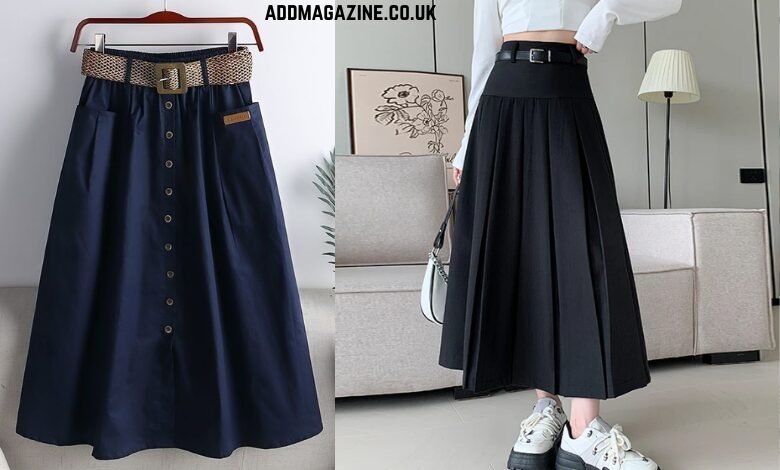
With femboy fashion comes a unique, playful, and often avant-garde approach to styling. Femboys typically incorporate items like skirts, blouses, and colorful accessories into their wardrobes, combining them with more masculine clothing like pants and jackets. This blending of styles creates a fashion identity that celebrates both masculinity and femininity, without adhering strictly to either.
For those looking to explore this innovative style, finding the right clothing store is key. A reputable femboy clothing store can provide a variety of stylish options that allow individuals to express their unique take on femboy fashion, from delicate frills to bold graphic tees, all while embracing the fluidity of gender expression.
Social Media and the Impact of Online Communities
Social media has played a monumental role in amplifying the voices of alternative and inclusive fashion communities. Platforms like Instagram, TikTok, and Twitter have allowed people from all corners of the world to share their personal style, creating a global conversation around fashion that is more inclusive than ever before. Influencers, bloggers, and everyday individuals are reshaping the definition of “style icon,” proving that anyone, regardless of background or body type, can be fashionable.
Online communities have created spaces where people can find like-minded individuals who share their passion for alternative fashion, offering support, inspiration, and advice. These communities also allow independent designers and small brands to thrive, as they are able to reach a global audience more easily. This democratization of fashion is empowering individuals to embrace styles that resonate with their personal identity, free from the pressure of conventional beauty standards.
Looking Forward: A New Era of Fashion
The future of fashion looks promising, with alternative and inclusive movements at the forefront of this cultural shift. The UK, as a hub of style innovation, continues to be a leader in pushing boundaries and embracing diversity. The fashion world is moving towards a more inclusive, sustainable, and gender-fluid future, where everyone can find clothing that allows them to feel seen, heard, and valued.
As we move into this new era, it is clear that alternative and inclusive fashion will continue to reshape the way we view style, self-expression, and identity. Whether it’s through punk-inspired fashion, gender-neutral collections, or femboy clothing that embraces both masculine and feminine elements, fashion is becoming a more vibrant and diverse landscape, one where everyone can feel comfortable being themselves.