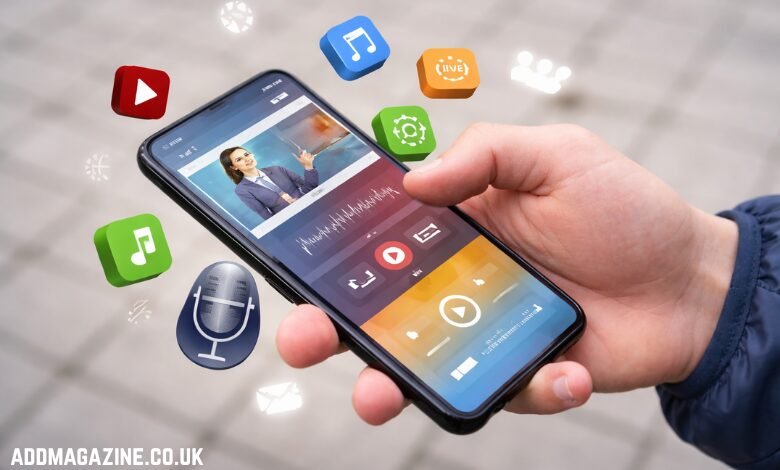
The world of mobile applications has evolved considerably over the years, growing from simple single-function tools to highly interactive, multi-functional platforms. One such evolution is the Application Mobile DualMedia—mobile applications that integrate multiple types of media simultaneously. These apps enable users to experience different forms of content, such as audio and video, in a seamless and cohesive way. The aim is to provide a richer, more engaging user experience while simplifying workflows for creators, educators, and businesses alike.
In this article, we’ll explore what Application Mobile DualMedia is, how it works, its benefits, and the real-world use cases that demonstrate its growing importance in various industries.
What Is Application Mobile DualMedia?
At its core, an Application Mobile DualMedia is a mobile app designed to handle two or more forms of media at once. The most common combination is audio and video, but it can also involve text, images, and interactive elements. These applications allow users to interact with more than one type of media concurrently, either in content consumption or creation.
For example, a user might be watching a video while simultaneously listening to an audio commentary or podcast, or a fitness app might show a workout video with real-time audio instructions. These apps make it easier to consume and create content without having to switch between separate applications for video, audio, or other media formats.
How Do DualMedia Apps Work?
The core technology behind dual-media apps involves the integration of different media types within a single platform. There are a few key technical aspects that enable dual-media apps to function effectively:
1. Multi-Stream Media Handling
DualMedia apps must be capable of handling multiple media streams simultaneously. This means they need to be able to stream or display audio, video, and other media types, such as text, images, or animations, without affecting performance. The app should synchronize these media formats, ensuring that they align seamlessly, whether it’s audio that plays alongside video or text that updates in real time.
2. Synchronization
One of the most important features of DualMedia applications is synchronization. The app must ensure that all media formats, including audio and video, stay in sync with each other. A slight lag between audio and video can cause confusion and negatively impact the user experience. This is especially crucial in scenarios like video lectures or live streams, where viewers expect smooth coordination between different media types.
3. Responsive User Interface
User interface (UI) design is another key aspect of dual-media apps. The UI must allow users to switch between different media modes or adjust settings like volume or video quality without interruption. The design should be clean and intuitive, providing easy access to multiple media features without overwhelming the user with complex options.
4. Cloud Integration and Offline Access
Many dual-media apps rely on cloud technology to store and distribute content. Cloud services provide the scalability needed to stream high-quality content to users on-demand. Additionally, some apps offer offline access, allowing users to download media content for later use, which is particularly useful in areas with limited internet connectivity.
Key Features of DualMedia Apps
DualMedia apps often come with several defining features that enhance their functionality and appeal:
1. Multi-Format Content Delivery
These apps allow for the concurrent delivery of different media formats. For instance, an app might show a workout video with synchronized audio instructions. Users can consume content in a way that feels natural, as both the video and audio work together to enhance the experience.
2. Unified Publishing Systems
Many dual-media apps feature publishing tools that allow users to upload and share their content across multiple platforms. For creators, this means being able to produce a single video with integrated audio and share it on social media, websites, or streaming platforms without the need for complex editing or uploading processes.
3. Real-Time Interaction
Some dual-media apps offer real-time interaction features. This might include live chat or comments on video content, polling or quizzes embedded within audio-visual presentations, or the ability to adjust media settings during playback. Real-time engagement features make these apps interactive, allowing users to participate rather than just consume content.
4. Analytics and Monetization
Dual-media apps for professional creators often include built-in analytics and monetization tools. These features allow users to track the performance of their content, such as viewing times, engagement rates, and audience behavior. Creators can also monetize their content through subscriptions, advertisements, or paywalls.
Applications of DualMedia Apps
DualMedia apps have found applications in a variety of fields. Below are some of the most prevalent scenarios where this technology is applied:
1. Entertainment and Streaming
Entertainment apps like YouTube, Netflix, and Spotify use dual-media formats to deliver content. For example, a YouTube video might include captions, interactive cards, or background music. Streaming platforms use dual-media technologies to synchronize audio and video, providing a seamless experience for users. Users can interact with both the audio and visual components of the content, adjusting settings or engaging with interactive features as they consume content.
2. E-Learning and Education
In education, dual-media apps are commonly used for online courses and tutorials. Platforms like Duolingo, Khan Academy, and Coursera integrate video lessons with audio explanations to create more immersive learning experiences. Students benefit from multi-sensory content that helps reinforce learning, whether through listening to a teacher’s explanation while watching a related visual demonstration or reading accompanying text.
3. Fitness and Health
In the fitness industry, apps like Peloton and Nike Training Club combine video workouts with audio instructions. This allows users to follow along with a workout while receiving verbal cues about their form, timing, and progression. Fitness apps may also provide real-time data tracking, such as heart rate or calories burned, while syncing with audio or video content to enhance the workout experience.
4. Social Media and Content Creation
Content creators on social media platforms like TikTok, Instagram, and Snapchat rely heavily on dual-media apps. These platforms allow creators to combine audio tracks, voiceovers, and video clips to create engaging content. Users can adjust or overlay soundtracks onto their videos or use real-time audio filters to create unique effects.
Benefits of DualMedia Applications
The benefits of using dual-media applications are clear for both creators and consumers:
1. Enhanced User Engagement
By combining multiple media formats, dual-media apps keep users engaged for longer periods. Interactive elements like live comments, real-time polls, and the ability to toggle between different media modes (audio, video, text) encourage active participation. This increased engagement leads to a more enjoyable user experience.
2. Streamlined Workflows for Creators
For creators, dual-media apps reduce the need for multiple software tools. Rather than managing separate applications for video, audio, and publishing, creators can use one app to produce, edit, and distribute content. This simplifies workflows, making it easier to produce high-quality media with fewer resources.
3. Greater Accessibility
Dual-media apps often include accessibility features such as captions, audio descriptions, and adjustable playback speeds. These features make the apps more inclusive for users with disabilities or those who prefer different media formats.
4. Multi-Platform Support
Dual-media apps are typically designed with cross-platform compatibility in mind. Users can access content from different devices, such as smartphones, tablets, and computers, without compromising the quality of the media. Whether on a mobile app or desktop website, the user experience remains consistent.
Challenges of DualMedia Apps
While dual-media applications offer significant benefits, they also come with their own set of challenges:
1. Technical Complexity
Building and maintaining a dual-media app can be more complex than developing single-media applications. Developers need to ensure that both media formats work seamlessly together, with minimal latency or sync issues. This often requires advanced programming and multimedia handling.
2. Performance Limitations
Dual-media apps consume more device resources than single-media apps, especially when streaming high-definition video alongside audio. This can strain the hardware, particularly on older devices or those with limited storage or processing power.
3. Data Consumption
Streaming both audio and video can consume a significant amount of data, which may be a concern for users with limited data plans or slow internet connections. Developers must optimize data usage to ensure smooth performance while minimizing costs for users.
The Future of DualMedia Apps
The future of dual-media applications looks promising. As technology continues to evolve, we can expect new features, improved performance, and greater integration with emerging technologies. For example, artificial intelligence (AI) could be used to automatically synchronize media content, providing an even more seamless experience for users. Similarly, virtual reality (VR) and augmented reality (AR) may become more integrated into dual-media apps, offering new ways to consume and interact with content.
Conclusion
Application Mobile DualMedia is an exciting development in the mobile app landscape. These applications combine multiple media types—such as audio, video, and text—into a single platform, providing richer, more interactive experiences for users and streamlining workflows for creators. From entertainment and education to fitness and social media, dual-media apps are becoming an integral part of the digital world. As technology advances, the potential for even more immersive, interactive, and efficient dual-media experiences will continue to expand. Whether for personal use or professional creation, dual-media apps are here to stay and will likely continue to shape how we interact with media on our mobile devices.