
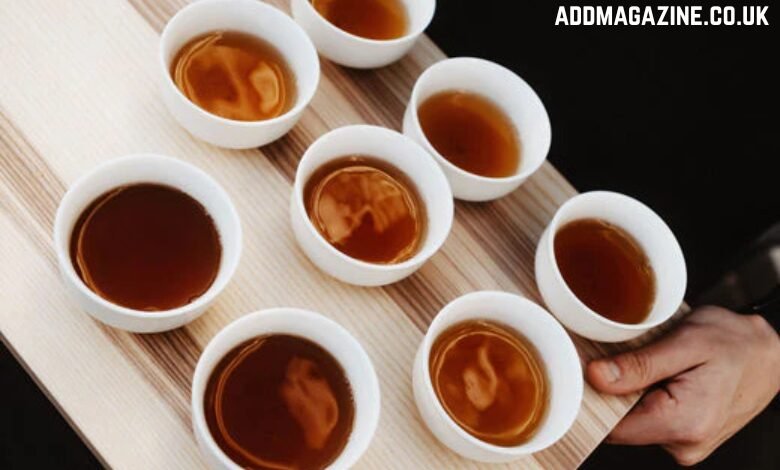
India is a country that has been known as among the largest producers of tea in the whole world and out of its numerous varieties of tea, there is Assam Black Tea, which has been a classic example. Assam Black Tea, which is characterized by its audacious nature, rich color, and rich taste, has a unique position in the domestic and foreign tea culture. This tea is only grown in the Assam region in northeast India, and therefore, the tea is a reflection of the originating land: its geography, its climate, and its history.
This paper discusses the uniqueness of Assam Black Tea, its origin, the process of production, profile and the purpose of tea in terms of both traditional and contemporary consumption.
Origin of Assam Black Tea
The Assam Black Tea is produced in the Brahmaputra Valley of Assam, which is characterized by very fertile alluvial soil, humid climate, and lots of rainfall. Such natural states provide an environment particularly good for the cultivation of tea. Assam tea is also cultivated at nearly sea level, unlike many teas which grow on increased elevations, and it is also a factor that enhances the strong and malty flavor of Assam tea.
Assam is historically known to be among the few areas in the west of China where the plant Camellia sinensis, which is the tea plant, grows naturally. Commercial cultivation of tea in the region started in the first half of the 19th century, which would later make Assam one of the largest tea-producing regions in the world.
Production and Growing of the Assam Black Tea
Assam Black Tea is a very closely established agricultural activity. The tea bushes are clipped frequently to control the quality of leaves, and it is commonly plucked manually so that only the top leaves and buds get picked.
The production of Assam tea normally consists of several harvests or flushes. The initial flush is in the early spring and yields more light teas, and the second one is harvested in later years of the season and is more sought after due to its strong smell as well as malty taste.
The leaves then wither, roll, oxidize and dry following plucking. The stages dictate the appearance and flavor of the end product or tea. The Assamese practices have been perfected over the centuries, and they are consistent and high-quality.
Flavor Characteristics and Profile
The most reputable brand of Assam Black Tea is the Malty, brisk, and bold flavor. It also has a heavier mouthfeel and is more noticeable, as compared to other black teas and thus is preferred among those who like strong teas.
Liquor manufactured using Assam tea black leaves is normally dark and rich. The slight tinges of earthiness, sweetness or even spice may also exist depending on the type of flush and style of processing. This unique taste profile has been used to establish Assam tea as a staple, both in loose-leaf and blended commercial tea.
The Assam Black Milk Tea and Its Popularity
Assam black milk tea is one of the most popular forms of drinking this tea. Assam Black Tea possesses the strength to retain its quality even when it is mixed with milk, and that is why it is commonly used in traditional Indian tea making and also in Western-style breakfast tea.
Assam Black Tea in most of the houses is made strong and mixed with milk and a little sugar, which makes it a perfect and satisfactory drink. Its ability to mix with milk has also helped it to become a popular drink in cafes, tea stalls and packaged tea products worldwide.
What is the role of Assam Black Tea in the World Tea culture?
Assam Black Tea is a major player in the world market of tea. It is an essential ingredient of the popular blends like English Breakfast and Irish Breakfast teas. Its predictable power and regular quality make it a fundamental component of mixing, whereas single-origin Assam teas are welcomed by tea lovers who like to indulge in aggressive tastes.
In addition to the commercial value, Assam tea is the cultural identity of the area. The tea estates, most of which are more than 100 years old, still sustain local populations and preserve the traditional farming methods.
Brewing Assam Black Tea
Assam Black Tea is an easy tea to brew, though it is better with details. The tea is normally brewed in freshly boiled water for between three and five minutes. Depending on the strength wanted, the brewing time can be varied.
To make Assam black milk tea, the tea leaves are usually allowed to brew a little longer so that the flavor is clear after the inclusion of milk. Loose-leaf tea tends to be more flavoured, whereas CTC tea is more consistent and convenient.
Conclusion
The Assam Black Tea is not just a drink, it is an expression of tradition, craftsmanship and a feeling of pride of the region. From its origins in the fertile plains of Assam to its availability in the tea cups all over the world, this stalwart of the Indian heritage has remained appreciated due to its boldness and versatility.
Assam Black Tea is a staple of the tea culture in the world, whether served straight, as a mix or as Assam Black Milk Tea. As the tea drinkers learn about its origin and nature, they cannot only enjoy the taste, but also the history and labour that goes into a cup.
Frequently Asked Questions (FAQs)
1. What is Assam black tea?
Assam black tea is a tea that is completely oxidized and is prepared using tea plants that are grown in Assam, India. It has a reputable malty and dark flavor and infusion.
2. What is so special about Assam tea black?
Assam tea black is normally more full-bodied and bolder compared to most of the black teas. The special conditions of growth and the type of tea plants make it have a special personality.
3. Would Assam Black Tea be a good choice for milk tea?
Yes, the Assam Black Tea is very popular in making assam black milk tea since it is very strong and combines well with milk and sweeteners.
4. What is the production location of Assam Black Tea?
Assam Black Tea is grown specifically in the Assam region of northeastern India mostly in the Brahmaputra Valley.