Contemporary headgear occupies an intriguing gap between everyday practicality and visual identity. These days, branded caps serve as useful accessories, fashion pieces, and marketing tools all in one. Designers are being forced to think beyond simple logos due to shifting consumer expectations, which promote careful structure that looks intentional and functions well. Caps have gained acceptance in formerly off-limits locations as business dress requirements become less strict and streetwear continues to influence mainstream fashion.
The choices in design are no longer based on looks. The concept of branded headwear is now influenced by comfort, versatility, and functionality. When those considerations work out well, the outcome seems natural instead of a sales pitch; this is why well-crafted caps have been popular across industries and demographics.
The Shift Toward Design Conscious Branding
Previously, branded headwear often prioritised visibility over wearability. Bright colours and large graphics were used to provide exposure at the cost of adaptability. Modern trends prefer subtle display with beautiful details that allow a cap to complement, but not dominate, different outfits. This is part of an overall trend in branding that puts a greater emphasis on long-term use over short-term focus.
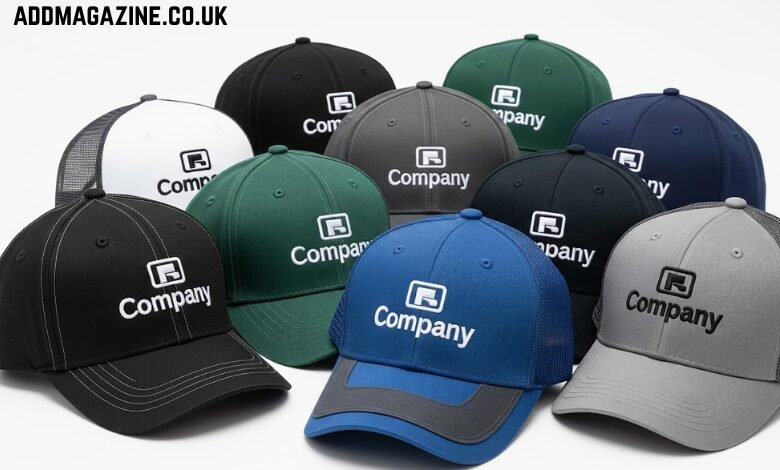
In this regard, caps with embroidered logo elements have become popular since the stitched decoration is restricted and adds substance. Without overpowering the wearer, that one design decision conveys care and longevity. Additionally, embroidery is more durable than printing, which is consistent with contemporary tastes for durability.
Materials That Support Daily Wear
The fabric used plays a pivotal role in balancing between form and functionality. The performance mixes provide moisture control in active conditions, but the breathability and softness of cotton twill remain popular. Wool blends are warm and stable, and hence suitable in colder climates without being bulky.
Perception is influenced by texture just as much as by comfort. While brushed surfaces reflect informality, smoothness suggests polish. Branded products become wardrobe essentials rather than sporadic accessories when materials are chosen that feel good on the skin.
Fit and Structure Matter More Than Ever
When the fit is not very comfortable, a pretty cap becomes worthless in a short time. The unstructured designs give comfortable profiles, that can be used in informal settings, whilst structured crowns have a clear shape. Adjustable closures also contribute to usability, which accommodate various head sizes without sacrificing style.
Successful designs are frequently distinguished from mediocre ones by attention to internal components. The way a cap feels after hours of use is influenced by sweatbands, seam placement, and lining quality. Whether an item feels well-made or poorly put together depends on those invisible nuances.
Visual Identity Without Overstatement
When branding is smoothly incorporated into the overall design, it functions optimally. Whether a logo feels deliberate or invasive depends on its placement, size, and colour selection. Instead of placing branding haphazardly, many successful caps place it where it enhances panel lines or stitching.
Colour schemes should be treated with the same consideration. Logos can discreetly stand out with neutral bases and subtle embellishments. As long as the contrast is balanced, bold hues can also be successful. Visual harmony guarantees that the cap complements rather than detracts from an ensemble.
Typography and Symbol Choice
Perceptions of branding are influenced by letterforms. Classic lettering alludes to tradition, while clean typefaces reflect modernism. In small settings, symbol-based marks frequently transfer effectively, maintaining clarity without adding clutter.
Designers routinely alter dimensions for headwear, knowing that logos designed for flat surfaces may require refinement when applied to curved forms.
Practical Features That Add Real Value
Fit and fabric are only two aspects of functionality. Particularly in the warmer months, ventilation holes enhance airflow. Without coming across as unduly technical, curved brims promote outdoor use by reducing glare. Lightweight water resistance is included into some designs to shield wearers from inclement weather.
Subtly, these features improve usefulness. Practical components feel more like organic extensions of the design than extra features when they blend in seamlessly.
Versatility Across Settings
A branded cap that is actually effective can be worn in a variety of settings. It should be suitable for an outdoor activity, a weekend gathering, or a casual meeting. It takes self-control and careful branding, colour, and structure coordination to achieve that flexibility.
Products that adjust to various situations are becoming more and more popular with consumers. When worn frequently, a cap that complements both casual and smart casual ensembles adds value and develops good brand association.
Longevity as a Design Goal
Brand credibility is shown in durability. Caps retain their appeal over time thanks to reinforced stitching, high-quality fastenings, and fade-resistant coatings. Long after they are distributed, products that age well continue to positively reflect a brand.
Long-term design is also in line with the increasing consciousness of sustainability. Reduced waste results from fewer replacements, which appeals to people who value both style and environmental impact.
Why Balance Ultimately Matters
Successful branded headwear is striking a balance between form and function. Style is a way of attracting attention, whereas function is a way of keeping the cap in circulation. The failure to focus on one or the other will lead to either decorative clutter or utilitarian anonymity.
Companies that have mastered this equilibrium make clothes that people are willing to wear. That is what makes a mere cap an ambassador that transcends time, bearing identity into the daily world without imposing the message.