
Introduction
Boleo excavators have earned a strong reputation in the construction and landscaping industries for their reliability and performance. Two popular models, the Boleo 6 ton excavator and the Boleo 3.5 ton mini excavator, serve different needs, but both offer excellent features for contractors and small business owners. Understanding their differences is important for anyone looking to invest in equipment that suits their project requirements. The Boleo 6 ton excavator is ideal for larger construction tasks, offering high power and extended reach. On the other hand, the Boleo 3.5 ton mini excavator is designed for tighter spaces, providing versatility without compromising on performance. This comparison will help buyers make informed decisions based on efficiency, power, and maneuverability.
Design and Build Quality
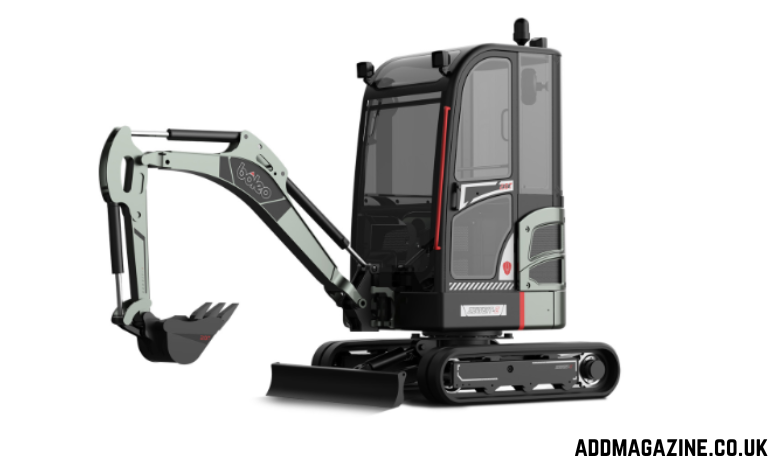
The design and build quality of Boleo excavators play a crucial role in their performance and durability. The Boleo 6 ton excavator is constructed with a robust frame, heavy-duty tracks, and a strong hydraulic system, making it suitable for demanding construction environments. Its reinforced boom and arm ensure stability during lifting and digging, even on uneven terrain. In contrast, the Boleo 3.5 ton mini excavator is compact and lightweight, designed for flexibility in confined areas. Despite its smaller size, it maintains excellent structural integrity, with a durable chassis and hydraulic components built for long-term use. Both models prioritize operator safety and comfort, featuring well-designed cabins and ergonomic controls. Choosing the right model depends on whether your projects demand power or compactness.
Engine Performance and Efficiency
Engine performance is a key factor when comparing the Boleo 6 ton excavator and the Boleo 3.5 ton mini excavator. The 6-ton model is equipped with a high-powered engine capable of handling heavy workloads, large digging volumes, and extended operation without overheating. It is designed to maximize fuel efficiency while maintaining strong performance, which is crucial for larger job sites. The 3.5-ton mini excavator, while smaller, features an efficient engine tailored for lighter tasks and tight environments. It provides a balance between power and fuel consumption, allowing operators to complete landscaping or utility work quickly. Both models emphasize low emissions and operational efficiency, making them suitable for environmentally conscious projects.
Hydraulic Systems and Digging Capabilities
Hydraulics define the digging performance of excavators. The Boleo 6 ton excavator comes with a powerful hydraulic system that ensures smooth and precise movements, even with heavy attachments. Its strong hydraulic flow enables faster digging, lifting, and material handling, which improves overall productivity on large construction sites. The Boleo 3.5 ton mini excavator, while smaller, also offers precise hydraulic control. Its system allows for versatile movement in tight spaces, making it perfect for residential projects or small-scale landscaping tasks. Both models are designed to maintain consistent hydraulic performance over time, ensuring reliability and long-term operational efficiency. The choice depends on whether you need maximum digging force or more nimble movement.
Maneuverability and Worksite Adaptability
One of the main differences between the two models is maneuverability. The Boleo 6 ton excavator is larger and suited for open areas, capable of handling heavy-duty excavation and grading efficiently. However, it may not fit well in compact spaces or narrow construction sites. Conversely, the Boleo 3.5 ton mini excavator excels in confined spaces. Its compact size and zero or minimal tail swing design allow operators to work efficiently in urban environments, small yards, or areas with obstacles. Both models feature adjustable tracks and responsive controls, making them adaptable to different terrains. Choosing the right excavator involves assessing the worksite’s space constraints and project scope.
Operator Comfort and Safety Features
Comfort and safety are essential for productivity and long-term equipment use. The Boleo 6 ton excavator offers a spacious cabin with adjustable seating, climate control, and easy-to-read digital displays, ensuring the operator can work efficiently for long hours. Safety features include reinforced cabins, emergency stop functions, and visibility-enhancing designs. The Boleo 3.5 ton mini excavator also prioritates operator comfort, with ergonomically placed controls and a compact cabin that provides excellent visibility in tight areas. Both models include seat belts, protective frames, and stable platforms to reduce operator fatigue and increase safety. Selecting between them depends on the type of tasks and duration of use.
Maintenance and Operational Costs
Maintaining an excavator is critical to its lifespan and operational efficiency. The Boleo 6 ton excavator requires routine checks, including engine servicing, hydraulic inspections, and track maintenance. Its larger size and power may result in higher maintenance costs, but it is built to last under heavy workloads. The Boleo 3.5 ton mini excavator has lower operating and maintenance costs due to its smaller size and simpler components. Both models are designed for ease of maintenance, with accessible engine compartments and durable parts that reduce downtime. Evaluating your project needs and budget is key when deciding which model provides the best value.
Conclusion
Choosing between a Boleo 6 ton excavator and a Boleo 3.5 ton mini excavator depends on your project requirements, worksite size, and budget. The 6-ton model is powerful, ideal for large-scale construction, and capable of handling heavy loads efficiently. The 3.5-ton mini excavator is perfect for tight spaces, small landscaping projects, and quick maneuverability. Both models share Boleo’s commitment to durability, operator comfort, and hydraulic efficiency. Understanding the strengths and limitations of each excavator ensures that buyers select the right tool for their projects. By comparing performance, design, and costs, construction professionals can make informed decisions and maximize productivity on any job site.