
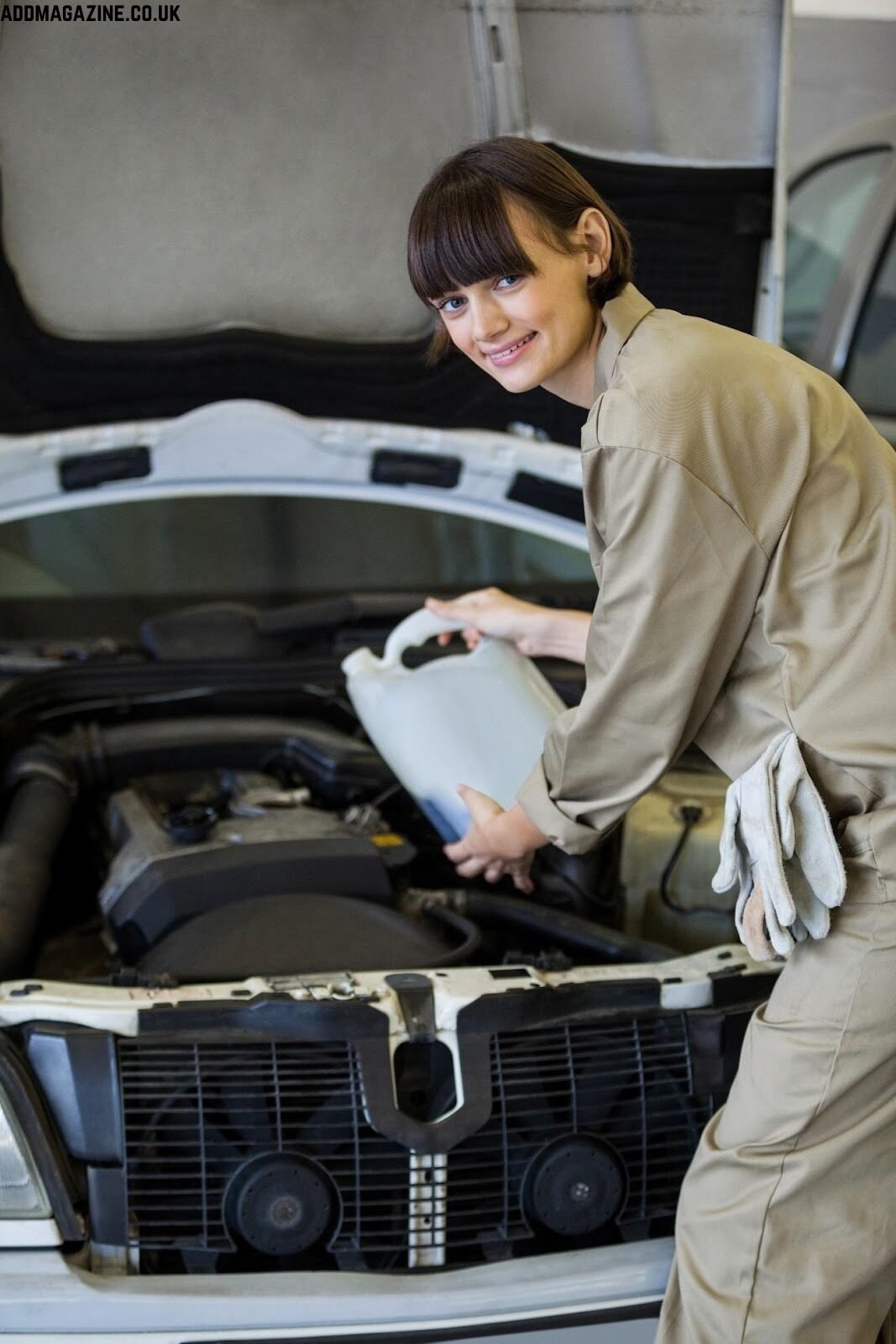
A small coolant leak can turn into a major engine problem very fast. In Dubai, that risk is even higher because extreme heat puts constant stress on the cooling system. What looks like a minor drip under the car can lead to overheating, engine damage, and costly repairs within days. Coolant leaks should never be ignored. The good news is that early repair can save both your engine and your money.
What Is a Car Coolant Leak?
A coolant leak happens when the fluid designed to control engine temperature escapes from the cooling system. This fluid moves through the radiator, hoses, water pump, and engine passages to remove excess heat. When any part of that system cracks, loosens, or wears out, coolant begins to leak.
The leak may be slow at first. You may only notice the coolant level dropping, a sweet smell near the engine, or a small wet patch under the vehicle. If the leak gets worse, the engine can overheat, steam may rise from the bonnet, and warning lights may appear on the dashboard.
Coolant leaks usually come from:
- Damaged or aged coolant hoses
- A leaking radiator
- A cracked coolant reservoir
- Worn seals or gaskets
- A failing water pump
- Loose clamps or fittings
In Dubai, high temperatures make the cooling system work harder than usual. That means even a small leak can become a serious problem in a short time.
Why Coolant Leaks Are Dangerous in Dubai
Dubai’s climate is harsh on vehicles. Engines already run hot in daily traffic. Add a Car Coolant Repair in Dubai that, and the engine loses its ability to stay within a safe temperature range.
When coolant levels drop too low, the engine starts to overheat. If that happens repeatedly, it can damage the head gasket, warp metal parts, reduce engine performance, and shorten the life of major components. In many cases, what starts as a simple hose repair ends up becoming a much more expensive engine job.
That is why coolant leak repair in Dubai should be treated as urgent maintenance, not something to delay.
Common Causes of Car Coolant Leaks in Dubai
Not every leak comes from the same place. Some are obvious. Others are hidden and only appear under pressure or heat. In our experience, these are the most common problem areas in Dubai vehicles.
Radiator Cracks
Radiators are exposed to constant heat cycles. Over time, the plastic side tanks or the upper seams can develop small cracks. These cracks often start as slow leaks and grow worse with daily driving.
Weak Coolant Hoses
Coolant hoses are made of rubber. In hot weather, rubber becomes hard, dry, and brittle. Once the hose loses flexibility, it may crack or split, especially near the ends.
Loose or Corroded Hose Clamps
Sometimes the hose itself is fine, but the clamp is no longer holding it tightly. Vibration, rust, and age can make clamps loosen over time, which causes coolant to seep out.
Water Pump Failure
The water pump keeps coolant circulating through the engine. If its seal fails, coolant can leak from the pump area.
Cracked Coolant Reservoir
After long exposure to engine heat, it can become weak and develop hairline cracks. These cracks often leak more when the system builds pressure.
Thermostat Housing Leaks
The thermostat housing can also crack or lose its seal. This can cause coolant loss and poor temperature control at the same time.
Heater Core Leaks
This is less common, but more serious. Signs include fogged windows, damp carpet, or a sweet smell inside the car.
Signs Your Car May Have a Coolant Leak
Some leaks are easy to spot. Others are not. That is why drivers should watch for early symptoms. The most common signs include:
- Coolant level dropping regularly
- Engine temperature rising higher than normal
- Puddle under the car after parking
- Sweet smell from the engine bay
- Steam from under the hood
- Low coolant warning light
- White residue around hoses or radiator parts
- Poor AC cooling during overheating episodes
At our Top Car Garage Dubai, car coolant leak repair starts with smart detection. If you notice any of these signs, it is best to inspect the car right away.
How We Diagnose Coolant Leaks
Coolant leak diagnosis should not be based on guesswork. Many leaks only show up when the engine is hot or when the system is under pressure. A proper inspection follows a step-by-step process.
Visual Inspection
We first inspect the cooling system while the engine is cool. Dried coolant often leaves white or colored residue, which helps identify older leaks.
Pressure Testing
A pressure tester is connected to the system to simulate operating pressure. This helps reveal weak seals, cracks, and leaks that may not show during a basic visual check.
UV Dye Testing
If the leak is small or hidden, UV dye is added to the coolant. After the engine runs, a UV lamp is used to trace exactly where the coolant is escaping.
Idle Heat Testing
Some leaks appear only when the engine reaches full operating temperature. We allow the vehicle to idle under normal load conditions to see if the leak becomes visible.
Scan Tool Monitoring
We also monitor coolant temperature, fan operation, and system behavior using diagnostic tools. This helps detect circulation issues or hidden internal faults.
Proper diagnosis matters because replacing the wrong part wastes time and money. The goal is to find the exact source before any repair begins.
Our Coolant Leak Repair Solutions
Once the source of the leak is confirmed, the repair depends on the condition of the part involved. Every cooling system issue needs a practical fix based on the real fault.
Coolant Hose Replacement
If a hose is cracked, swollen, or leaking near the fitting, it should be replaced. Old hoses often fail without much warning, especially in hot climates.
Radiator Repair or Replacement
Minor radiator issues may sometimes be repaired, but larger cracks or internal damage usually require replacement. A damaged radiator should not be left to fail again later.
Water Pump Replacement
If the water pump is leaking or noisy, the safest solution is replacement. A bad water pump affects both coolant flow and engine temperature.
Expansion Tank Replacement
A cracked coolant tank or faulty pressure cap can cause constant coolant loss. Replacing the damaged part restores proper pressure and system stability.
Thermostat and Housing Repair
A faulty thermostat or leaking housing can cause overheating even if coolant is still present. These parts are tested and replaced if needed.
Coolant Flush and Air Bleeding
After repair, the system should be flushed if the old coolant is contaminated. Air must also be bled out correctly. Trapped air can cause fresh overheating issues even after the leak is fixed.
Coolant Leak Repair Cost in Dubai
Repair cost depends on the leaking part, the car model, and the labor involved. Fixing the problem early is always cheaper than waiting for overheating damage.
Here is a general cost estimate for coolant leak repair in Dubai:
| Repair Type | Estimated Cost |
|---|---|
| Coolant hose replacement | 180 – 350 AED |
| Radiator repair or replacement | 400 – 1,200 AED |
| Water pump replacement | 650 – 1,400 AED |
| Coolant reservoir replacement | 300 – 600 AED |
| Thermostat replacement | 250 – 550 AED |
| Coolant flush and system bleed | 220 – 420 AED |
| Leak detection and pressure test | 120 – 200 AED |
These prices can vary depending on the vehicle make and model. European cars often cost more because they require specific parts and coolant types.
Why Early Repair Saves Money
Many drivers keep topping up coolant and continue driving. That may seem cheaper at first, but it usually leads to bigger problems. If the engine overheats, repair costs rise sharply. You may end up paying for head gasket work, radiator replacement, water pump damage, or even major engine repair.
Fixing a small coolant leak early is one of the easiest ways to avoid major mechanical expense.
Why Choose Professional Coolant Leak Repair in Dubai
Leaks are not always visible. Some are hidden behind covers, under intake parts, or inside the cabin area. A proper repair needs tools, experience, and a clear diagnosis process.
Professional coolant leak repair gives you:
- Accurate fault detection
- Correct parts replacement
- Proper coolant refill
- System pressure testing
- Safe bleeding of trapped air
- Reduced risk of repeat overheating
This is especially important in Dubai, where the cooling system works harder than in many other places.
Final Words
A coolant leak is not a minor issue. It is a direct threat to your engine, especially in Dubai’s high temperatures. Whether the leak comes from a hose, radiator, water pump, or reservoir, it should be repaired as soon as possible. Waiting only increases the chance of overheating and major engine damage.
If your coolant level keeps dropping, your engine temperature is rising, or you notice fluid under the car, it is time for a proper inspection. A quick diagnosis today can prevent a much bigger repair tomorrow. Book your car coolant leak repair in Dubai before the problem gets worse.