
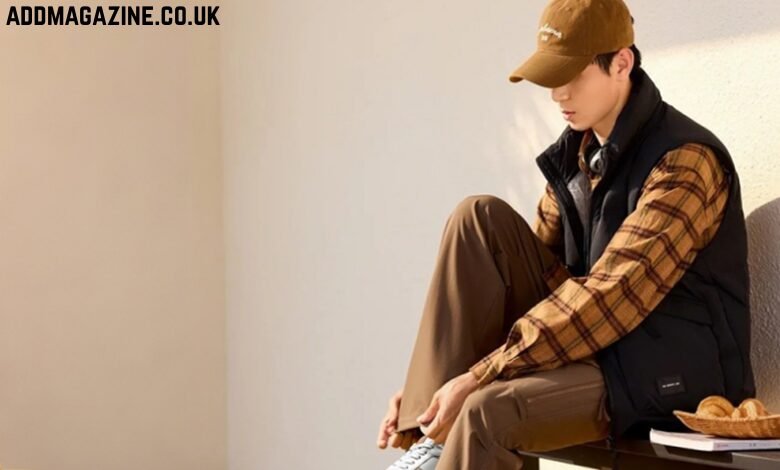
For a long time, confidence in men was expected to look a certain way. Loud voices. Dominant posture. Visible authority. But modern masculinity is moving in a different direction. Today, confidence is often quieter — expressed through restraint, self-awareness, and thoughtful personal style rather than bravado.
In cities across the UK and beyond, men are becoming more intentional about how they dress, not to impress others, but to feel aligned with themselves. Fashion, once treated as secondary, is now recognised as part of daily psychology.
Style as a Tool, Not a Costume
Well-dressed men are often misunderstood as chasing trends or external approval. In reality, the opposite is usually true. When style works, it fades into the background. It supports how you move, how you stand, and how you interact — without demanding attention.
This is why modern menswear has shifted away from extremes. Oversized logos, exaggerated silhouettes, and statement pieces are giving way to clean cuts, neutral palettes, and functional elegance. It’s not about dressing up. It’s about dressing right.
Why Footwear Carries More Weight Than You Think
If clothing sets the tone, footwear anchors it. Shoes are the first thing that wears out and the last thing many men upgrade — yet they influence posture, balance, and physical presence more than any other item.
In recent years, there’s been growing interest in footwear that subtly enhances how a man carries himself. Not through obvious platforms or gimmicks, but through smarter internal design. Modern elevator shoes have evolved far beyond their old stereotypes. Today’s versions are understated, well-constructed, and designed to blend seamlessly into everyday wardrobes.
What matters isn’t the added height itself, but the shift in body language that comes with it. Straighter posture. More grounded steps. A subtle but noticeable change in how space is occupied.
Casualwear Has Grown Up
The same evolution can be seen in casual fashion. Trainers are no longer purely functional or purely fashionable — they’re expected to do both. Men want shoes that look appropriate in social settings, support long days, and still feel current.
That’s why designs like men increase elevator sneakers have found a place in modern wardrobes. They combine contemporary sneaker aesthetics with discreet structural support, without the visual bulk that once defined similar footwear. Paired with jeans, tailored joggers, or relaxed trousers, they fit naturally into urban life.
Importantly, the appeal isn’t about standing out. It’s about feeling comfortable in your own skin — and your own stride.
A Global Perspective on Men’s Confidence
Men’s fashion is no longer shaped by one region or one philosophy. British tailoring, European minimalism, and Australian casual confidence increasingly intersect. Australia’s influence, in particular, has helped normalise a more relaxed approach to style — practical, breathable, and quietly confident.
Platforms such as Chamaripa AU reflect this global mindset, offering footwear designed for real life rather than runway statements. It’s style built around movement, daily routines, and long-term wear — not fleeting trends.
Confidence Is Built Daily
True confidence doesn’t arrive all at once. It’s reinforced through small, repeated choices: choosing clothes that fit properly, shoes that support you, and a style that doesn’t fight who you are.
Good style shouldn’t feel like armour. It should feel like alignment.
Modern men aren’t trying to be taller, louder, or more dominant than others. They’re trying to be more comfortable, more intentional, and more present. And when clothing and footwear support that goal — rather than distract from it — confidence becomes something you carry naturally.
In the end, the most confident men in the room are rarely the ones demanding attention. They’re the ones who don’t need it.