
For RV owners in Rochester, Minnesota, storage is rarely a short-term decision. Long winters, variable spring weather, and limited seasonal use mean that recreational vehicles often sit unused for months at a time. During that period, the way an RV is stored has a direct impact on its condition, maintenance costs, and readiness when travel season returns.
Covered RV storage is often considered a practical compromise between fully enclosed indoor storage and open outdoor parking. However, not all covered storage options offer the same level of protection or long-term value. Before choosing a facility, RV owners benefit from understanding what covered storage actually protects, what it does not, and which factors matter most in Rochester’s climate.
What Covered RV Storage in Rochester, MN Typically Includes
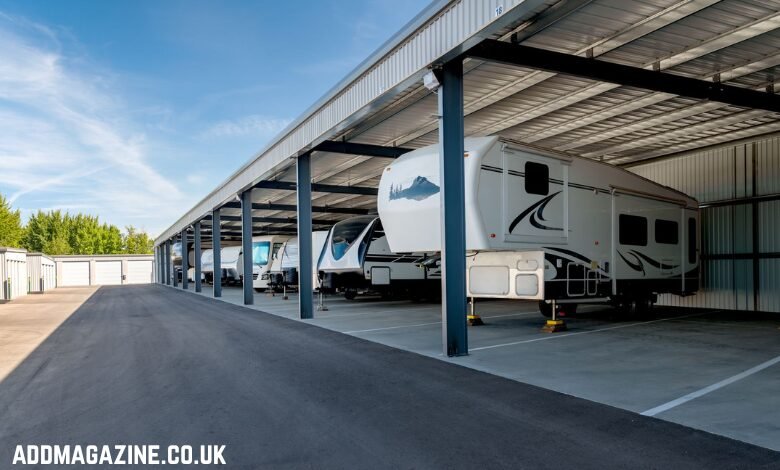
When evaluating covered RV storage Rochester, MN, it helps to start with a clear picture of what “covered” means in practical terms. Covered RV storage generally refers to a roofed structure designed to shield vehicles from direct exposure to weather while remaining open on the sides.
Unlike enclosed units, covered storage does not fully isolate the vehicle from outdoor air. This distinction is important. The primary function is to block precipitation, snow accumulation, hail, and direct sunlight, rather than to regulate temperature or humidity.
Covered storage typically provides:
- Overhead protection from snow, rain, and ice
- Reduced exposure to ultraviolet radiation
- Open airflow that helps moisture dissipate
- Clearance designed for taller RV profiles
For Rochester RV owners, this level of protection addresses the most common sources of long-term wear without introducing the cost or complexity of indoor facilities.
Why Rochester’s Climate Changes Storage Priorities
Rochester experiences extended winter seasons, frequent freeze–thaw cycles, and heavy snowfall. These conditions place steady stress on RV materials, especially when vehicles are stationary for long periods.
Snow accumulation adds weight to roofs and seals. Ice forms in seams and expands as temperatures fluctuate. Spring melt introduces standing water that can seep into small openings. During summer, strong sunlight and storms contribute to surface degradation.
Storage choices in this region must account for:
- Prolonged snow loads
- Repeated moisture exposure
- Seasonal inactivity lasting several months
- Temperature swings that stress seals and joints
Covered storage directly addresses these climate-related risks by reducing the intensity and duration of exposure.
Roof Protection Is One of the Biggest Advantages
The roof is often the most vulnerable part of an RV during storage. Flat or low-slope roofs allow snow and ice to accumulate, especially after repeated storms. Over time, this can strain structural components and accelerate seal failure.
Covered storage reduces:
- Continuous snow buildup on roof surfaces
- Ice formation around vents and skylights
- Direct water contact during thaw cycles
By limiting roof exposure, covered storage helps preserve seal integrity and lowers the risk of slow leaks that often go unnoticed until interior damage appears.
Sun and UV Exposure Still Matter in Northern States
Although Rochester is known for winter conditions, ultraviolet exposure during spring and summer also contributes to RV deterioration. Paint, decals, rubber seals, and plastic components all degrade under prolonged sunlight.
Covered storage limits:
- Fading and oxidation of exterior finishes
- Cracking of rubber seals and trim
- Premature aging of skylights and vents
Even partial shading makes a meaningful difference over multiple seasons, especially for RVs stored year after year.
Moisture Management Without Full Enclosure
One concern some RV owners have about storage is trapped moisture. Fully enclosed spaces can restrict airflow, which may increase condensation if ventilation is inadequate. Covered storage avoids this issue by remaining open on the sides.
This balance allows:
- Natural airflow around the vehicle
- Faster drying after precipitation
- Reduced condensation compared to enclosed but unventilated spaces
According to guidance from the U.S. National Park Service on vehicle and equipment storage, reducing direct moisture exposure while maintaining airflow is one of the most effective strategies for long-term preservation of large vehicles and equipment.
Ground Conditions and Drainage Should Not Be Overlooked
While overhead coverage is important, the surface beneath the RV also plays a role in long-term storage outcomes. Poor drainage can lead to standing water, ice formation, and prolonged moisture contact with tires and undercarriage components.
When evaluating a facility, RV owners should consider:
- Whether the storage surface promotes drainage
- If water pools during snowmelt or heavy rain
- How ice buildup is managed during winter
Covered storage is most effective when combined with stable, well-drained ground conditions that reduce prolonged moisture contact.
Clearance, Access, and Maneuverability
Not all covered storage structures are suitable for all RV types. Height, width, and turning space vary significantly between facilities. Rochester RV owners often store larger fifth wheels, motorhomes, or trailers that require generous clearance.
Key access considerations include:
- Vertical clearance for roof-mounted equipment
- Space to maneuver during snow season
- Entry and exit paths that remain usable year-round
Facilities that plan for winter access reduce the risk of damage during arrival and retrieval, especially when conditions are icy or visibility is limited.
Security and Site Management Factors
While covered storage focuses on weather protection, facility management also matters. RVs stored for months benefit from environments that reduce accidental damage, vandalism, or interference.
Elements to evaluate include:
- Controlled access points
- Visibility and lighting
- Clear spacing between stored vehicles
- Ongoing site maintenance
Covered structures often form part of organized layouts that improve overall site order, reducing incidental risks compared to open, unstructured parking areas.
Matching Storage Type to Usage Patterns
Covered storage is especially well-suited to RV owners who:
- Use their vehicles seasonally
- Store for extended winter periods
- Want protection without full enclosure
- Prefer simpler access than indoor units
Owners who use their RVs year-round or require climate control for sensitive interior materials may consider other options. However, for most Rochester-based recreational use, covered storage aligns well with practical needs.
Cost Considerations and Long-Term Value
Storage decisions are not only about monthly rates. They influence maintenance frequency, repair costs, and resale condition over time. Covered storage often reduces:
- Exterior repair needs
- Seal replacement frequency
- Interior moisture-related issues
These savings accumulate gradually, making covered storage a cost-conscious choice over long ownership periods.
Preparing an RV for Covered Storage
Even with covered protection, proper preparation improves outcomes. RV owners typically benefit from:
- Cleaning roof and exterior surfaces before storage
- Inspecting seals and vents
- Ensuring proper tire inflation
- Removing perishable items
Covered storage works best as part of a broader storage plan rather than a standalone solution.
Conclusion: Making an Informed Storage Decision in Rochester
Choosing storage is about managing risk over time. In Rochester’s climate, prolonged exposure to snow, moisture, and sun accelerates wear on RVs that sit unused for months. Covered storage addresses the most damaging elements without introducing unnecessary complexity.
For RV owners evaluating covered rv storage Rochester, MN, understanding what a facility offers, how it manages weather exposure, and how it supports long-term preservation is essential. When selected thoughtfully, covered storage provides a practical, balanced solution that protects vehicles through Minnesota’s seasons while supporting long-term ownership and reliability.