
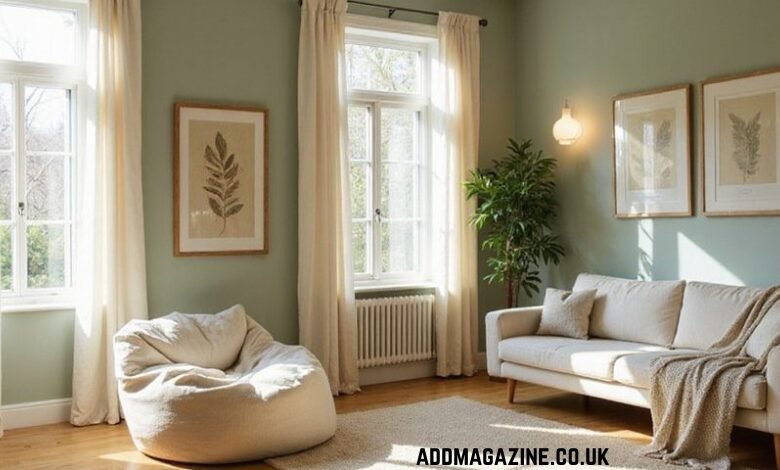
In today’s fast-paced, stimulus-heavy world, the home should be a place of calm and comfort—a safe haven where the senses can reset. For individuals who experience sensory sensitivities, such as those with Autism Spectrum Disorder (ASD), ADHD, or Sensory Processing Disorder (SPD), the typical household environment can often be overwhelming. Bright lights, loud noises, clutter, and certain textures can all contribute to stress or sensory overload. Fortunately, by making intentional and thoughtful adjustments, it’s possible to create a home that supports sensory regulation and emotional well-being for everyone. Small changes in lighting, color, sound, and organization can have a big impact on how relaxed and functional a space feels.
Understanding Sensory Needs
To create a truly sensory-friendly home, it’s important to understand how sensory processing works. Every individual has a unique sensory profile a way their brain interprets and responds to sensory input from the environment. Some people are hypersensitive, meaning they may be easily overwhelmed by bright lights, strong smells, or background noise. Others are hyposensitive and may seek out more stimulation, like movement, touch, or deep pressure, to stay alert and focused.
Sensory processing challenges are not limited to people with diagnosed conditions. Many of us have sensory preferences that influence how comfortable we feel in different environments. The goal of a sensory-friendly home is to balance these inputs minimizing triggers while introducing sensory elements that promote comfort and stability. A certified ABA therapist can help identify specific sensory needs and recommend tailored strategies for individuals who experience sensory dysregulation, ensuring that environmental changes are both supportive and effective.
Lighting: Calming the Visual Environment
Lighting plays a major role in sensory comfort. Bright fluorescent lights, glare, or rapid changes in illumination can be distressing to individuals who are sensitive to visual stimuli. A more calming approach involves using soft, indirect lighting that mimics natural daylight. Warm-toned LED bulbs, dimmer switches, and lampshades that diffuse light can reduce harshness and create a soothing ambiance.
In bedrooms or relaxation spaces, blackout curtains can block outside light for better sleep and relaxation. String lights or nightlights with gentle hues such as blue or amber can provide a sense of safety without overstimulation. Meanwhile, for individuals who seek more stimulation, visual tools like fiber optic lamps, bubble tubes, or light projectors can add sensory engagement in a controlled, pleasing way. A certified ABA therapist might suggest light-based sensory tools to support regulation routines, particularly for children who respond well to visual cues.
Sound: Managing the Auditory Landscape
Noise can be one of the most challenging sensory triggers at home. Everyday sounds buzzing appliances, televisions, traffic, or even echoing rooms can cause discomfort for those with heightened auditory sensitivity. To create a quieter environment, consider using soundproofing materials such as carpets, curtains, and upholstered furniture, which absorb noise. White noise machines or nature soundtracks can also help mask jarring background sounds, providing a consistent and calming auditory backdrop.
For individuals who require auditory stimulation, soft rhythmic sounds or background music can promote focus and emotional balance. It’s about identifying which sounds are calming and which are distressing, then tailoring the environment accordingly. In some cases, noise-canceling headphones can offer instant relief in situations where control over the environment is limited. A certified ABA therapist may integrate auditory regulation strategies into therapy sessions and home routines to help individuals manage sensitivity and improve coping mechanisms.
Touch and Texture: Creating Comfort Through Tactile Design
The sense of touch is fundamental to how we experience comfort and security. Certain textures can soothe, while others can irritate or overwhelm. Creating a tactile-friendly home involves careful selection of materials for furniture, bedding, and clothing. Soft, breathable fabrics like cotton, fleece, or microfiber can provide comfort, while scratchy or synthetic materials may need to be avoided.
Weighted blankets, plush pillows, or textured rugs can offer grounding and security, particularly for those who benefit from deep pressure stimulation. On the other hand, individuals who crave tactile input might enjoy sensory bins filled with materials such as sand, rice, or kinetic putty. It’s also important to consider how textures vary in different rooms; bathroom towels, bed linens, and flooring can all influence sensory comfort.
A certified ABA therapist can provide guidance on how to use tactile experiences therapeutically, helping individuals engage with different textures to build tolerance and support self-regulation. For instance, structured sensory play or desensitization activities can gradually help someone adjust to new tactile sensations while maintaining comfort and control.
Smell and Taste: Managing Olfactory and Gustatory Sensitivities
Scents are powerful emotional triggers, and for those with sensory sensitivities, strong odors—whether pleasant or not can cause discomfort or even distress. To minimize sensory overload, it’s best to keep the home free of overpowering fragrances, chemical cleaners, and scented candles. Opting for fragrance-free products and natural cleaning solutions reduces irritants in the air.
For individuals who find certain scents soothing, aromatherapy can be a useful tool. Diffusing essential oils such as lavender, chamomile, or eucalyptus can promote calm and relaxation. The key is to introduce scents gradually and observe their effects.
Taste-related sensitivities often appear during mealtime, especially for children with selective eating patterns. In these cases, a certified ABA therapist can collaborate with families to develop positive reinforcement strategies for exploring new foods and reducing aversions. They can help transform mealtime into a sensory-safe experience through small, manageable steps and by adjusting the environment to minimize distractions or discomfort.
Organization and Space: Reducing Visual and Physical Clutter
A cluttered environment can be visually overwhelming and mentally draining. In a sensory-friendly home, organization is key. Minimizing clutter not only improves aesthetics but also reduces sensory noise allowing the mind to rest and focus.
Simple changes such as using labeled bins, open shelving, or neutral-colored storage solutions can make a big difference. Keep pathways clear and designate specific areas for certain activities such as reading nooks, play areas, and quiet corners so individuals always know where to go to relax or focus.
Creating designated “calm zones” is especially effective. These spaces can include weighted blankets, fidget tools, soft lighting, and comforting textures. They serve as retreat areas when sensory overload occurs. A certified ABA therapist can assist in designing these zones as part of a behavioral plan, ensuring that they align with sensory preferences and therapeutic goals.
Movement and Proprioception: Encouraging Active Regulation
The body’s need for movement, balance, and deep pressure input plays a significant role in sensory regulation. Incorporating opportunities for safe movement within the home can prevent restlessness and improve focus. Sensory swings, rocking chairs, and mini-trampolines are excellent additions for children who need vestibular input.
For adults, incorporating gentle exercise, yoga, or stretching areas into daily routines can serve the same purpose. Even a walk around the house or light household chores can offer proprioceptive feedback the body’s awareness of position and movement—that helps stabilize mood and energy.
In behavior therapy, certified ABA therapists often combine sensory-motor activities with skill-building tasks to enhance attention, coordination, and emotional control. Bringing those concepts into the home creates a consistent, supportive environment that reinforces therapeutic progress.
Color and Visual Design: Soothing Through Simplicity
Colors influence emotions and energy levels. Bright, contrasting colors can stimulate the brain, while softer, muted tones tend to calm the nervous system. When designing a sensory-friendly home, consider using pastel or earth-tone palettes in bedrooms and relaxation areas. Blues, greens, and gentle neutrals are often associated with tranquility.
For play or activity zones, more vibrant colors can be used strategically to encourage engagement and creativity, but balance is essential. Too many patterns or bold hues in one space can lead to overstimulation. Natural light, plants, and simple artwork can also enhance visual calmness and connection with nature.
A certified ABA therapist might collaborate with families to identify color schemes that align with each individual’s sensory preferences, ensuring that design choices promote comfort and emotional stability rather than distraction.
Technology and Screen Time: Creating Healthy Digital Habits
While technology is an integral part of modern life, excessive screen time can cause sensory fatigue. The bright lights and rapid movements of screens can overstimulate the visual system, especially for sensitive individuals. To reduce strain, adjust screen brightness, use blue light filters, and schedule regular breaks.
For children, establishing screen-free zones or quiet times can promote better sleep and emotional regulation. Engaging in tactile, auditory, or movement-based activities provides a healthier sensory balance than constant visual input. A certified ABA therapist can help families implement structured routines around technology use, supporting self-regulation and balanced sensory engagement.
The Role of Professional Guidance
Creating a sensory-friendly home is a deeply personal process that works for one person may not work for another. This is where professional support makes a difference. A certified ABA therapist or occupational therapist can assess individual sensory needs, design personalized intervention strategies, and teach families how to use environmental adjustments to support emotional and behavioral regulation. Their expertise ensures that changes are not only comfortable but also therapeutic, reinforcing progress across all settings home, school, and community.
Conclusion
A sensory-friendly home is more than a beautiful space; it’s an environment designed for balance, calm, and self-regulation. By thoughtfully managing lighting, sound, texture, color, and organization, anyone can create a home that supports sensory comfort and emotional well-being. The key lies in recognizing unique sensory needs and responding with compassion and creativity.
Through collaboration with a certified ABA therapist, families can take these simple changes even further transforming their homes into supportive environments that encourage growth, relaxation, and lasting peace of mind. In the end, small, intentional adjustments can truly make a big impact, turning any home into a sanctuary of comfort and calm for every member of the family.