
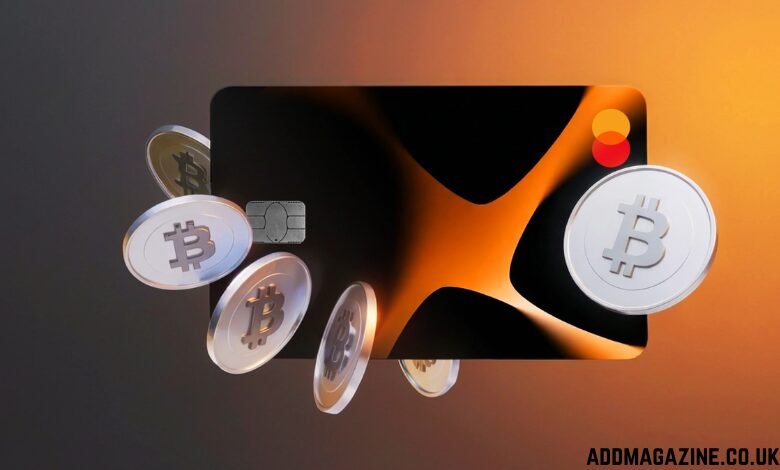
Cryptocurrencies have become a significant part of the digital economy, with many users seeking innovative ways to spend, invest, and exchange their assets. One of the most convenient and versatile ways to utilize cryptocurrencies in real-world scenarios is through crypto cards. These cards bridge the gap between the digital currency world and everyday spending, enabling users to make purchases wherever traditional payment methods like debit or credit cards are accepted. Among the many emerging crypto card providers, BYDFi offers an attractive solution that allows users to seamlessly spend their Bitcoin and other crypto assets in daily transactions. If you’re interested in learning more about BYDFi’s platform and services, you can check out our BYDFi review. This blog post will explore how crypto cards work, how to use them, and why they are becoming increasingly popular for both crypto enthusiasts and everyday consumers.
What is a Crypto Card?
A crypto card is a payment card that allows you to use your cryptocurrency to make everyday purchases, similar to how a traditional debit or credit card works. These cards are linked to your cryptocurrency holdings on a platform or exchange, such as BYDFi, and can be used for payments at retailers, online stores, or for withdrawing cash from ATMs.
The primary benefit of a crypto card is the ability to spend your digital assets without needing to convert them into fiat currencies first. This creates a seamless user experience that eliminates the hassle of transferring crypto to a bank account or exchange before making a purchase. Crypto cards typically convert your cryptocurrency to fiat (e.g., USD, EUR) at the point of sale, and the merchant receives the payment in their local currency.
Crypto cards have become increasingly popular among crypto users, especially as cryptocurrencies like Bitcoin gain wider acceptance. For many, the card serves as a way to turn their digital assets into real-world purchasing power.
How Do Crypto Cards Work?
Crypto cards work by linking to your cryptocurrency wallet, enabling the conversion of crypto into traditional currencies at the point of sale. The mechanics of how this conversion occurs can vary slightly depending on the provider, but the general process typically follows these steps:
- Linking Your Crypto Assets: First, you must link your crypto wallet to your card. This could be through a platform like BYDFi, which offers its own crypto card. The wallet will store your Bitcoin, Ethereum, or any other supported cryptocurrencies.
- Converting Crypto to Fiat: When you make a purchase with your crypto card, the card issuer will convert the cryptocurrency into fiat currency (such as USD or EUR) at the current exchange rate. This happens seamlessly in the background, so you don’t need to worry about the details.
- Processing Payments: The payment is then processed through traditional payment networks like Visa or MasterCard, allowing you to pay for goods and services at millions of merchants worldwide. You can also use your crypto card to withdraw cash from ATMs in many locations.
- Fees and Limits: Many crypto card providers charge fees for certain transactions, such as currency conversion, ATM withdrawals, and monthly maintenance. It is important to understand these fees before choosing a card. Additionally, there may be spending limits and daily withdrawal caps depending on the specific card and provider.
- Rewards and Benefits: Some crypto cards offer rewards, such as cashback in cryptocurrency or traditional points that can be redeemed for various perks like discounts or free services. These benefits can add value to your crypto spending.
Types of Crypto Cards
There are a few different types of crypto cards available, each catering to different needs and preferences:
- Prepaid Crypto Cards: Prepaid cards are funded by depositing cryptocurrency into the card’s wallet. These cards do not require a credit check and are easy to obtain. You can load your crypto into the card and use it for spending without having to worry about credit limits or approval processes. The crypto is converted into fiat currency when you make a purchase.
- Debit Crypto Cards: Debit crypto cards are linked directly to your cryptocurrency holdings. When you use the card, the amount of crypto you spend is deducted from your wallet. This is similar to using a traditional debit card, except that your spending is backed by digital assets instead of fiat currency.
- Credit Crypto Cards: Credit crypto cards are similar to traditional credit cards, except that they allow you to make purchases on credit, with the option to pay later. These cards typically have higher fees and interest rates, but they can be useful for users who want to use their crypto holdings while deferring payment.
Advantages of Crypto Cards
Using a crypto card offers several advantages, especially for those who actively use and invest in cryptocurrencies:
- Ease of Use: Crypto cards simplify the process of spending cryptocurrencies. Instead of manually converting your Bitcoin or Ethereum into fiat currency, the card handles the conversion automatically, making it easier for you to pay for goods and services without a complicated process.
- Global Acceptance: Many crypto cards, such as those offered by BYDFi, are backed by major payment networks like Visa or MasterCard. This means they are accepted at millions of merchants worldwide, both online and offline, allowing you to use your crypto for a wide range of purchases.
- Low Conversion Fees: Some crypto card providers, including BYDFi, offer competitive conversion rates and low fees, making it more affordable to use your crypto assets for everyday spending.
- Privacy and Security: Many crypto cards offer enhanced security features like two-factor authentication (2FA) and cold storage for your digital assets. The use of blockchain technology also ensures that your transactions are secure and transparent.
- Rewards and Perks: Crypto cards often come with rewards, such as cashback in cryptocurrencies, bonus points, or exclusive deals. These rewards can provide added value to users who spend regularly.
- No Need for Bank Accounts: For those who prefer not to use traditional banking systems, crypto cards allow users to bypass banks altogether. This is especially beneficial for people in regions where banking services are limited or for those who want to avoid traditional financial institutions.
How to Get a Crypto Card
Getting a crypto card is straightforward. Here’s what you need to do:
- Choose a Crypto Card Provider: The first step is to choose a platform or exchange that offers a crypto card. For example, BYDFi recently launched its own crypto card, allowing users to connect their crypto assets to real-world payments. Look for a provider with competitive fees, a broad range of supported cryptocurrencies, and strong security features.
- Sign Up and Verify Your Identity: Most platforms will require you to sign up for an account and verify your identity. This process may involve submitting identification documents and verifying your email and phone number.
- Order the Card: Once your account is set up, you can order the card. The card will typically be delivered to your registered address. In some cases, you may have the option to choose a physical or virtual card.
- Fund Your Card: After receiving the card, you’ll need to load it with cryptocurrency. You can transfer your assets from your wallet or exchange account into your crypto card’s wallet.
- Start Spending: Once your card is loaded, you can begin using it for purchases. The card will automatically convert your crypto into fiat currency at the point of sale, and you can use it as you would any other debit or credit card.
BYDFi’s Crypto Card
BYDFi, a global crypto trading platform, has made strides in making cryptocurrency more accessible to the everyday consumer. In 2025, BYDFi launched its own crypto card, which connects your crypto holdings to real-world spending. This card allows users to seamlessly convert their crypto assets into fiat currencies for use at millions of merchants worldwide.
The BYDFi crypto card supports multiple cryptocurrencies, including Bitcoin, Ethereum, and others, giving users flexibility in their spending. It offers a straightforward and user-friendly interface for managing your card and assets, ensuring a seamless experience for both beginners and experienced crypto users.
In addition to basic functionality, BYDFi’s crypto card comes with a range of features designed to enhance the user experience, including low fees, security enhancements like multi-factor authentication (MFA), and rewards programs that offer cashback in crypto.
Conclusion
Crypto cards have emerged as an essential tool for bridging the gap between digital assets and traditional spending. They offer a seamless way to use cryptocurrencies for everyday purchases, without the need to first convert them into fiat currency. As platforms like BYDFi continue to innovate and refine their offerings, crypto cards are becoming more accessible and user-friendly. Whether you’re a seasoned crypto trader or someone new to the space, these cards provide a simple, secure, and efficient way to spend your Bitcoin, Ethereum, and other digital currencies anywhere in the world.