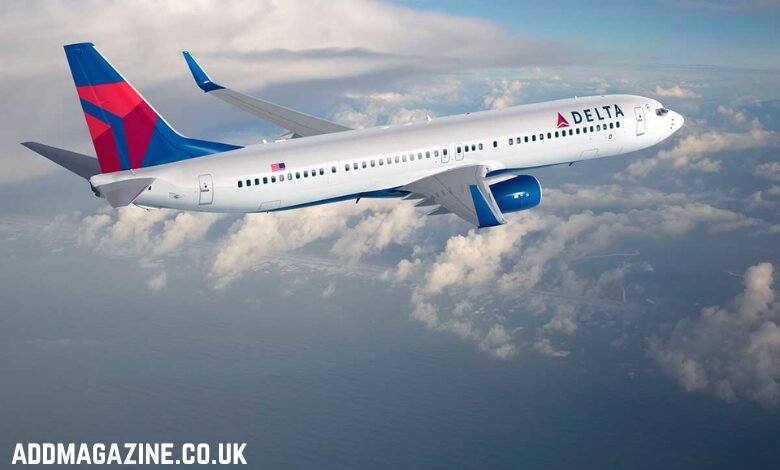
On May 27, 2025, Delta Air Lines Flight DL275, a long-haul international flight, was scheduled to depart from Detroit Metropolitan Wayne County Airport (DTW), heading to Tokyo Haneda Airport (HND). However, in a surprising turn of events, the flight was diverted to Los Angeles International Airport (LAX), after the aircraft experienced an in-flight technical issue that required immediate attention. This blog post explores the timeline, cause of the diversion, operational considerations, passenger impact, and broader implications for the aviation industry.
Flight DL275: The Journey and Diversion
Flight DL275 is a regularly scheduled flight from Detroit (DTW) to Tokyo Haneda (HND), a distance of approximately 6,000 miles. This flight is typically a long-haul route operated by a Delta Airbus A350-900, a wide-body aircraft equipped with advanced technology and designed for international travel.
On May 27, 2025, the flight took off from Detroit at 15:53 local time, headed toward Tokyo. However, after approximately five hours of flight, when the aircraft was over the northern Pacific Ocean, the crew encountered a significant issue: a malfunction in the engine anti-ice system. This system, vital for preventing ice buildup on engine components at high altitudes, became critical as the aircraft was flying over regions with freezing temperatures.
After assessing the situation and considering the safety of the aircraft, its passengers, and the crew, the decision was made to divert to the nearest suitable airport for an emergency landing. Given the remote location of the aircraft and the nature of the issue, the crew chose Los Angeles International Airport (LAX) as the diversion airport, despite it being far from the aircraft’s current location.
Why Was LAX Chosen as the Diversion Airport?
The choice to divert to LAX, a major hub located more than 1,500 miles away from the aircraft’s location over the Pacific, raised questions among aviation enthusiasts and the general public. Several factors played a role in this decision:
- Aircraft Type and Maintenance Support
The aircraft operating Flight DL275 was an Airbus A350-900, a wide-body jet that requires specialized ground support for maintenance and repairs. LAX is a major Delta hub and home to significant maintenance infrastructure capable of handling the Airbus A350. It also has experienced crews and facilities for Rolls-Royce Trent XWB engines, the type of engine that was in operation on this flight. In comparison, airports closer to the aircraft’s location, such as Anchorage or Seattle, may not have the same level of support for wide-body aircraft and specialized maintenance. - Passenger Logistics and Rebooking
LAX is one of the busiest international airports in the world, with extensive passenger services and multiple daily flights to Tokyo and other destinations. By choosing LAX, Delta ensured that passengers could be rebooked efficiently on the next available flights to Tokyo and other connecting cities. This logistical advantage likely outweighed the immediate distance from the aircraft’s location. - Fuel and Range Considerations
While LAX was far from the aircraft’s position, Flight DL275 had sufficient fuel to reach the airport without issue. The aircraft’s fuel reserves and the ability to handle the diversion safely contributed to the decision-making process. Additionally, LAX’s long runways and capable facilities made it a safe option for landing a wide-body aircraft under emergency conditions.
The Engine Anti-Ice System and Its Importance
The malfunction that led to the diversion involved the engine anti-ice system of the Rolls-Royce Trent XWB engines used on the Airbus A350. This system is critical for preventing the accumulation of ice on engine components at high altitudes, especially in regions where temperatures drop significantly.
Ice buildup on the engine components can be extremely dangerous. If ice were to detach from the engine and interfere with the airflow, it could lead to engine stalls, reduced engine performance, or catastrophic engine failure. This makes the anti-ice system an essential part of flight safety, particularly on long-haul flights over cold regions, such as the northern Pacific Ocean.
When the crew detected the malfunction, they acted swiftly and decided to divert the flight to LAX rather than continuing to Tokyo. While Tokyo was the intended destination, flying there without a fully functioning anti-ice system could have posed a risk, especially considering the long distances involved and the limited options for emergency landings over vast stretches of ocean.
Timeline of the Incident
- May 27, 2025:
- 15:53 (Local Time): Flight DL275 departs from Detroit Metropolitan Airport (DTW), bound for Tokyo Haneda Airport (HND).
- Approx. 5 Hours Later: The aircraft is flying over the northern Pacific Ocean, nearing Alaska, when the crew detects a malfunction in the engine’s anti-ice system.
- After assessing the situation, the crew decides to divert the flight.
- Approximately 20:00 (Local Time): The aircraft begins its diversion route, heading toward Los Angeles International Airport (LAX).
- Around 00:00 (Next Day): The aircraft lands safely at LAX, after approximately 12 hours in the air.
After landing at LAX, passengers were disembarked, and ground services were provided to handle their rebooking and accommodation. Delta worked quickly to arrange alternate flights for passengers continuing their journeys to Tokyo and other destinations.
Passenger Impact
For the passengers aboard Flight DL275, the diversion was an unexpected and inconvenient event. Passengers had boarded the flight with the expectation of arriving in Tokyo, but instead, they were faced with a lengthy delay, the uncertainty of a diversion, and the potential for missed connections. However, Delta responded promptly to the situation, offering passengers rebooking on later flights, hotel accommodations for those affected by the diversion, and timely communication regarding their options.
While it was a frustrating situation for many, passengers were ultimately prioritized for their safety, and the diversion was a necessary decision given the technical issue on the aircraft.
The Cost of the Diversion for Delta
While the exact cost of the diversion has not been publicly disclosed, incidents like this are expensive for airlines. Flight diversions often lead to increased operational costs, including:
- Additional fuel costs: Diverting an aircraft to a far-off airport uses more fuel than flying directly to the destination.
- Passenger accommodations: Airlines must cover the costs of rebooking passengers, including providing hotel accommodations and meals.
- Maintenance costs: After a diversion, the aircraft needs to undergo thorough maintenance checks and inspections to ensure the issue is resolved before returning to service.
- Crew and ground operations: Delta had to ensure that appropriate crew and ground operations were in place at LAX to manage the situation efficiently.
While the cost of this specific diversion has not been publicly detailed, it serves as a reminder of the financial burden that can be associated with emergency diversions, even when the decision is necessary for passenger safety.
Why Diversions Are Important in Aviation
Diversions, though rare, are an essential part of airline operations and aviation safety. When a technical issue arises mid-flight, the crew is trained to prioritize passenger safety and make decisions that minimize risk. In the case of Flight DL275, the diversion to LAX was a prudent decision, as continuing the flight to Tokyo without a fully functioning anti-ice system could have resulted in more serious consequences.
Aviation professionals and airline staff are trained to handle such emergencies, and these situations underscore the importance of having comprehensive contingency plans in place. Airports like LAX, with their extensive infrastructure and maintenance capabilities, provide a safe haven for diverted flights and ensure that any issues can be addressed as quickly as possible.
Conclusion
Delta Air Lines Flight DL275’s diversion to Los Angeles International Airport (LAX) on May 27, 2025, due to a malfunction in the engine anti-ice system highlights the importance of in-flight safety and the complexities of long-haul flight operations. While the diversion caused inconvenience for passengers, it ultimately ensured their safety and well-being. The decision to land at LAX, despite the significant distance, was based on operational considerations, including aircraft maintenance capabilities, passenger logistics, and fuel reserves.
For Delta, the incident is a reminder of the critical role that maintenance and contingency planning play in ensuring the safety of long-haul flights. For passengers, the event highlights that, while disruptions are inconvenient, safety remains the top priority in aviation.
In the aftermath of the incident, Delta is likely to review its maintenance procedures, route planning, and operational protocols to ensure that similar issues can be addressed even more efficiently in the future.