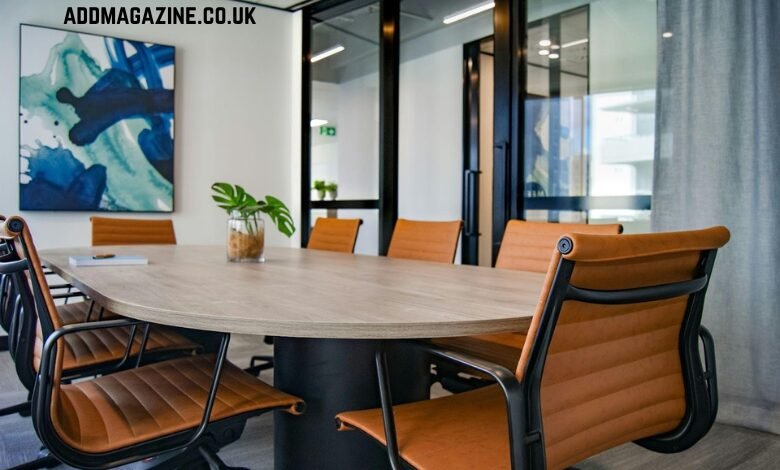
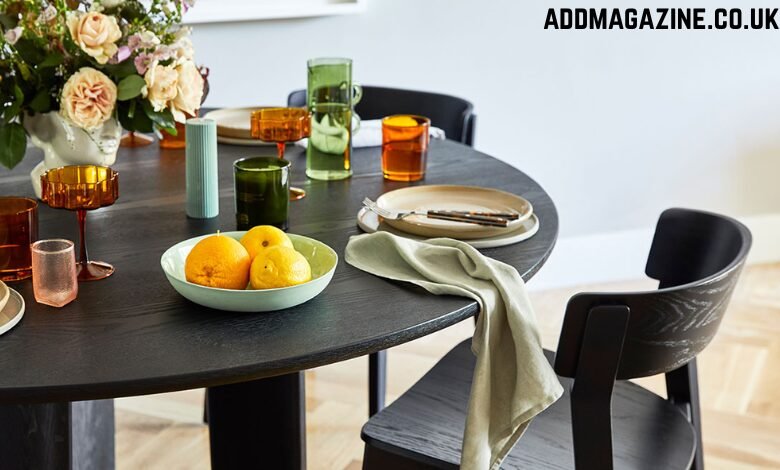
It is where daily routines happen, conversations unfold, and gatherings take place. Because of this, choosing the right dining table requires careful thought. From size and shape to material and placement, each decision affects how the table will function and how it will feel within your space.
With so many dining tables available today, it can be difficult to know where to begin. This guide breaks down the key factors you should consider before buying, helping you select a table that suits your lifestyle, room layout, and long-term needs.
Understand How You Use Your Dining Space
Before looking at styles or materials, start by thinking about how the dining area is actually used.
Ask yourself:
- Is the space mainly for family meals or for hosting guests?
- Will the table be used for work, homework, or other activities?
A household that eats together every day may prioritize comfort and durability, while a formal dining room used for entertaining may focus more on size and visual presence. Understanding usage helps narrow down suitable dining tables without being distracted by trends that do not fit your routine.
Measure the Space Carefully
One of the most common mistakes when buying dining tables is choosing a size that overwhelms or underfills the room. Accurate measurements are essential.
General spacing guidelines include:
- Leave at least 90 cm of clearance around the table for movement
- Allow 60 cm of width per person for comfortable seating
- Consider doorways, walkways, and nearby furniture
If the dining area is part of an open plan layout, the table should relate proportionally to surrounding furniture. A table that is too large can interrupt flow, while one that is too small may look out of place.
Choose the Right Shape
The shape of a dining table affects both seating and how the room feels.
Rectangular Dining Tables
These are the most common choice and work well in longer rooms.
Round Dining Tables
Round dining tables work well in smaller or square spaces. They encourage conversation and allow flexible seating, making them suitable for casual dining areas.
Square Dining Tables
Best suited for compact spaces or small households, square tables create a balanced look but can feel limiting if more seating is needed.
Oval Dining Tables
Oval tables offer the softness of a round shape with the seating capacity of a rectangular one. They work well in narrow rooms where sharp corners might feel restrictive.
Selecting the right shape helps dining tables feel integrated rather than forced into the room.
Consider Seating Needs
Think about how many people you need to seat comfortably, both daily and occasionally.
Key points to consider:
- Fixed seating versus flexible seating
- Chairs versus benches
- Extendable or non-extendable tables
Extendable dining tables are useful if you host guests regularly but do not want a large table occupying space all the time. However, extensions should feel stable and consistent with the rest of the table.
Material Matters More Than Style
Material choice affects appearance, maintenance, and longevity. While style preferences vary, material quality often determines how satisfied you will be over time.
Wood Dining Tables
Wood offers warmth and versatility. Solid wood tables can last for years but may require maintenance. Lighter woods feel casual, while darker finishes feel more formal.
Glass Dining Tables
They require regular cleaning and may feel less practical for daily family use.
Metal Dining Tables
Metal bases paired with wood or stone tops create a structured look. These tables often feel contemporary and durable.
Marble Dining Tables
The natural veining of marble makes each table unique, giving the dining area a strong focal point. Marble works particularly well in spaces where the table is meant to stand out rather than blend in. While marble requires mindful care, many homeowners value its timeless presence and solid feel.
When choosing materials, think beyond appearance and consider how the surface will age with use.
Match the Table to the Room Style
Dining tables should complement the overall interior rather than compete with it. A table that feels disconnected can disrupt the balance of the space.
For example:
- Minimal interiors benefit from clean lines and simple bases
- Traditional spaces suit tables with classic proportions
- Contemporary homes often favor mixed materials and bold forms
Rather than matching everything exactly, aim for harmony through scale, color, and texture.
Pay Attention to Table Height
Standard dining table height is usually around 75 cm. This works well with most dining chairs, but it is still worth checking proportions.
Make sure:
- Chairs fit comfortably under the table
- Armrests do not hit the tabletop
- Legroom feels adequate for extended sitting
Small differences in height can affect comfort, especially for daily use.
Think About Maintenance and Care
Every material requires some level of care, but expectations should match your lifestyle.
Consider:
- How often the table will be cleaned
- Whether spills are likely
- If the surface shows marks easily
Marble dining tables, for example, benefit from prompt cleaning and coasters, while wood tables may need occasional polishing. Choosing a table you can realistically maintain prevents frustration later.
Balance Visual Weight
Dining tables carry visual weight depending on their design. Thick tabletops, solid bases, and dark materials create a heavier presence, while slim profiles feel lighter.
Balance this weight with:
- Chair design
- Rug size
- Lighting placement
A visually heavy table can anchor a large room, while lighter dining tables suit smaller or more open spaces.
Don’t Overlook the Base Design
The base affects both appearance and seating comfort.
Common base styles include:
- Four legs
- Pedestal bases
- Sculptural central supports
Pedestal bases often allow more flexible seating, while four-leg designs feel traditional. The base should support the table without interfering with chairs or legroom.
Test Comfort Whenever Possible
If you can, sit at the table before buying. Comfort matters more than appearance when it comes to long meals or gatherings.
Check:
- Distance between chair and tabletop
- Knee clearance
- Stability when leaning or shifting weight
Dining tables should feel solid and balanced, not fragile or awkward.
Consider Long Term Use
Trends change, but dining tables are often long-term purchases. Instead of choosing based solely on current fashion, think about whether the table will still suit your space in five or ten years.
Neutral materials, balanced proportions, and timeless shapes tend to remain relevant longer than decorative details.
Common Buying Mistakes to Avoid
- Choosing size before measuring
- Ignoring daily use needs
- Prioritizing appearance over comfort
- Overcrowding the room
- Underestimating maintenance
Avoiding these mistakes helps ensure your dining table remains a functional and enjoyable part of your home.
Final Thoughts
Buying a dining table requires more than selecting a design that looks good online or in a showroom. The right table should suit your space, support your lifestyle, and feel comfortable over time. Whether you prefer understated dining tables that blend into the room or marble dining tables that act as a focal point, careful consideration of size, shape, material, and function leads to better decisions.
A well chosen dining table becomes part of daily life, supporting both routine meals and memorable gatherings with equal ease.