Few household pests trigger anxiety quite like bed bugs. The moment unexplained bites appear, sleep becomes difficult, stress levels rise, and most people immediately start searching for something — anything — they can apply to their skin to stop being bitten.
A quick online search brings up countless suggestions: essential oils, menthol creams, alcohol sprays, even household remedies. But do topical repellents actually work against bed bugs?
The short answer: not in the way people hope.
While certain substances may provide minor, temporary relief, they do not eliminate the problem — and relying on them can sometimes make matters worse.
Let’s break down why.
Why Bed Bugs Are So Hard to Repel
Bed bugs are very different from mosquitoes or midges. Most insect repellents were developed to deter flying insects that rely heavily on scent cues. Bed bugs, however, are driven by a much stronger biological mechanism.
They are attracted primarily to:
- Body heat
- Carbon dioxide (what we exhale while sleeping)
- Human presence over several hours
- Dark, quiet environments
This means even if you mask your scent temporarily, you’re still producing heat and carbon dioxide. To a hungry bed bug hiding in a mattress seam or bed frame joint, those signals are far stronger than a layer of lavender oil.
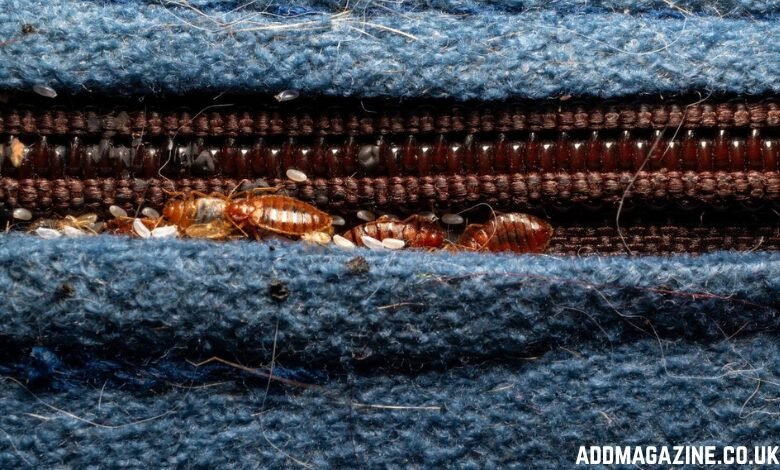
Bed bugs don’t live on the body. They don’t infest skin or hair. They live in the environment — in mattresses, bed frames, headboards, skirting boards, bedside cabinets, sofas, and even electrical sockets. They come out briefly to feed and then retreat.
That’s why skin-based repellents struggle to work reliably: you’re treating the wrong place.
Common Substances People Try
Homeowners understandably experiment with whatever they can find when bites persist. Some of the most common attempts include:
Essential Oils
Tea tree oil, lavender oil, eucalyptus oil, peppermint oil — these are often diluted and applied to the skin. While some oils have mild insect-deterring properties in laboratory conditions, real-world results are inconsistent. In concentrated form, they can also irritate the skin.
Alcohol-Based Sprays
Some people spray diluted alcohol on bedding or skin. Alcohol may kill bed bugs on direct contact, but it evaporates quickly and provides no lasting protection. Applying alcohol to skin regularly can cause dryness, irritation, and even chemical burns in high concentrations.
Mentholated Creams
Vicks-style menthol creams are sometimes used because of their strong smell. Again, scent alone does not override the bed bug’s attraction to body heat and carbon dioxide.
Over-the-Counter Insect Repellents
Products designed for mosquitoes (containing DEET or picaridin) are occasionally tried. While some lab studies suggest limited deterrence, they are not reliable enough to prevent bites in an active infestation.
The honest reality is this: none of these methods address the root cause — bed bugs living in your environment.
For a detailed, practical breakdown of what people commonly apply, what may provide short-term comfort, and what should be avoided, this guide on what to put on your skin to stop bed bugs explains the options clearly.
The Risk of False Security
One of the biggest dangers of relying on skin repellents is psychological comfort. If bites reduce slightly for a few nights, people assume the problem is under control. Meanwhile, the infestation continues developing behind the scenes.
Bed bugs reproduce steadily. A small issue can escalate within weeks. Eggs hatch, nymphs mature, and the hiding areas expand from the bed to surrounding furniture.
By the time a skin-based method “stops working,” the population is often much larger — and treatment becomes more complex.
Delaying proper action doesn’t just prolong discomfort; it increases cost, stress, and treatment intensity later on.
Why Bed Bugs Ignore Most Repellents
To understand why repellents fail, it helps to consider bed bug behaviour.
Bed bugs:
- Feed for 5–10 minutes at a time.
- Prefer sleeping hosts who remain still.
- Hide very close to where people rest.
- Can survive months without feeding.
Even if a topical scent deters them briefly, hunger will eventually override avoidance behaviour. Unlike flying insects that can easily move to a different host, bed bugs are typically already embedded in your sleeping environment. Avoidance options are limited — and their biological drive to feed is strong.
Repellents don’t remove harbourage sites. They don’t eliminate eggs. They don’t stop reproduction.
What Actually Reduces Bites
If the goal is to reduce bites short-term while addressing the problem properly, practical environmental steps are far more effective.
These include:
Mattress Encasements
High-quality bed bug-proof encasements trap existing bugs inside and prevent new ones from accessing seams and folds.
Targeted Environmental Treatment
Professional treatment addresses the harbourage sites directly — mattresses, bed frames, skirting boards, furniture joints, and structural gaps.
Heat & Laundering
Washing bedding, clothing, and soft furnishings at 60°C or above can kill active stages of bed bugs in fabrics.
Decluttering & Inspection
Reducing clutter eliminates hiding spots and makes treatment more effective.
Notice what all of these have in common: they target the environment, not the skin.
When Skin Treatments Might Help (Temporarily)
To be fair, some skin applications may reduce itching or mild irritation after a bite occurs. Calamine lotion, antihistamines, or mild hydrocortisone creams can soothe inflammation.
But that’s symptom management — not prevention.
Think of it like putting a plaster on a leaking pipe. It may slow the drip, but it doesn’t repair the damage.
The Bottom Line
If bites are ongoing, repellents aren’t failing — they were never designed to solve the problem in the first place.
Bed bugs are not surface pests. They are environmental pests. Treating your skin without treating your surroundings is unlikely to stop bites long term.
The most effective approach combines:
- Accurate identification
- Structured environmental treatment
- Professional assessment when needed
- Preventative measures to stop recurrence
Skin-based products can offer short-term comfort, but they are not a solution.
If you’re still waking up with bites despite trying topical remedies, it’s time to shift focus from the skin to the source.