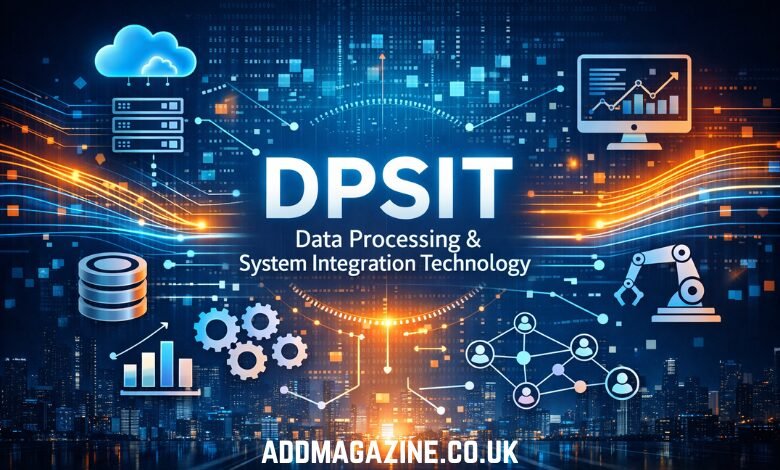
In the modern digital age, businesses and organizations rely heavily on data and the various systems that help manage, store, and process it. One of the critical challenges is ensuring that these systems can work together seamlessly to optimize workflows, automate processes, and make better data-driven decisions. This is where DPSIT (Data Processing and System Integration Technology) comes into play. It provides a structured approach for managing data flow across various systems and ensures that different software applications can work together efficiently.
DPSIT encompasses a set of technologies, strategies, and practices designed to process data effectively and integrate disparate systems. Through DPSIT, organizations can automate routine tasks, consolidate information across platforms, and gain real-time insights—all while ensuring that their data remains consistent and secure.
In this post, we’ll explore the core concepts of DPSIT, its benefits, challenges, and its importance in the modern business and technological landscape.
What is DPSIT?
DPSIT refers to a combination of data processing and system integration technologies that work together to ensure smooth data flow between various systems within an organization. Data processing involves the manipulation, storage, and retrieval of data, while system integration refers to the practice of connecting different software systems so they can work together effectively.
Together, these technologies create a framework for seamless communication between systems, ensuring that information is shared efficiently and accurately. Whether it’s an enterprise resource planning (ERP) system, customer relationship management (CRM) software, or any other business tool, DPSIT ensures that all systems are aligned and can share data in real-time.
Core Components of DPSIT
The DPSIT framework typically involves several key components that are essential for enabling smooth data flow and system interoperability.
Data Management
At the heart of DPSIT is data management. Organizations handle vast amounts of data daily, from customer information to financial records. Effective data management ensures that this information is accurate, properly structured, and easy to access. This involves not just collecting and storing data but also ensuring that data is consistent across all systems and can be processed efficiently.
System Integration
System integration is a crucial aspect of DPSIT. Organizations often use various software systems that are designed to handle specific tasks. However, these systems need to communicate with each other to function optimally. System integration provides the means to connect these systems, allowing them to share data and synchronize operations. This eliminates the need for manual data transfers and reduces the risk of errors due to inconsistent data across platforms.
Process Automation
A major advantage of DPSIT is the automation of routine tasks. In a typical business environment, tasks such as data entry, updating records, or generating reports can be time-consuming and prone to human error. By implementing process automation through DPSIT, businesses can automate these repetitive tasks, saving time and reducing the likelihood of mistakes. This frees up valuable resources for more strategic tasks, enhancing productivity.
Real-Time Data Processing
Real-time data processing is another key feature of DPSIT. As businesses become more dynamic and fast-paced, having access to real-time data becomes critical. DPSIT allows systems to process and share data in real-time, providing businesses with immediate access to the information they need to make informed decisions quickly. Whether it’s tracking inventory, monitoring customer interactions, or analyzing sales trends, real-time data processing enhances decision-making and responsiveness.
Data Security and Compliance
With the growing reliance on data, ensuring its security is more important than ever. DPSIT frameworks incorporate robust security protocols to protect sensitive information from breaches or unauthorized access. Furthermore, data privacy regulations such as GDPR (General Data Protection Regulation) necessitate strict compliance when processing and storing data. DPSIT helps organizations ensure that their data handling practices comply with these regulations, mitigating legal and financial risks.
Benefits of DPSIT
Implementing DPSIT can have a significant impact on the efficiency and success of an organization. Here are some of the key benefits:
- Improved Operational Efficiency
By automating repetitive tasks and integrating systems, DPSIT reduces the need for manual intervention, which speeds up operations. Employees can focus on higher-value tasks, while the system handles routine processes in the background. - Enhanced Data Accuracy
When systems are integrated, data is automatically synchronized across platforms, reducing the likelihood of errors caused by duplicate or outdated information. This ensures that business decisions are based on accurate and consistent data, leading to better outcomes. - Faster Decision-Making
Access to real-time data means that businesses can make decisions faster. With DPSIT, data is processed and updated instantly, allowing teams to respond quickly to changing circumstances. This agility is particularly important in industries where time-sensitive decisions are crucial. - Cost Savings
Automating tasks, reducing errors, and streamlining operations all contribute to cost savings. By eliminating manual processes and ensuring that systems are aligned, organizations can reduce labor costs and minimize operational inefficiencies. Moreover, integrating systems reduces the need for additional resources, such as separate teams for data management or software maintenance. - Scalability
DPSIT provides the flexibility to add new systems or processes to an existing framework without disrupting ongoing operations. The modular nature of DPSIT ensures that organizations can expand their data and system management capabilities in line with business growth.
Challenges of DPSIT Implementation
While DPSIT offers many advantages, implementing such a system comes with its own set of challenges. Some of the common issues organizations face when adopting DPSIT include:
- Complexity of Integration
One of the biggest challenges is integrating legacy systems with modern software platforms. Many organizations still rely on older systems that were not designed to work with newer technologies. This makes it difficult to establish seamless communication between systems, requiring careful planning and specialized expertise. - High Initial Costs
Setting up a DPSIT framework often requires significant upfront investment. This includes purchasing integration software, hiring specialized personnel, and dedicating time to build the necessary infrastructure. While the long-term benefits often outweigh the initial costs, small and medium-sized enterprises (SMEs) may find it challenging to justify the expense. - Data Security Concerns
With the increased flow of data between systems, organizations need to ensure that data security protocols are robust and up-to-date. Any vulnerability in the system could lead to data breaches or leaks, which could harm the organization’s reputation and incur financial penalties. - Maintenance and Updates
Once a DPSIT framework is established, ongoing maintenance is essential to ensure that the system continues to function effectively. This includes regular software updates, monitoring system performance, and troubleshooting any issues that arise. Organizations must allocate resources to maintain the system and ensure that it adapts to any changes in business requirements.
Implementing DPSIT: A Step-by-Step Guide
Successfully implementing DPSIT requires a structured approach. Below are the key steps to follow for a smooth and effective implementation:
- Assess Existing Systems
Before implementing DPSIT, it’s essential to assess the current systems in place. Identify the different software applications being used across the organization and evaluate how they interact with one another. This will provide insight into which systems need to be integrated and where improvements can be made. - Define Data Flow and Automation Requirements
Understand how data will move between systems and where automation can streamline processes. Define clear data flow diagrams that outline the path data will take from one system to another. This step helps in designing an effective integration strategy. - Select the Right Tools and Technologies
Choose the appropriate integration platforms, data processing tools, and security protocols that align with the organization’s needs. This might involve selecting middleware that can bridge different systems or cloud-based solutions that offer scalability and flexibility. - Build and Test the System
Once the tools and technologies are in place, begin the integration process. Set up the necessary workflows, automate tasks, and ensure that data flows smoothly between systems. Testing is critical to identify any issues before the system goes live. - Monitor and Optimize
After deployment, it’s essential to continuously monitor the system’s performance and make adjustments as needed. Collect feedback from users and stakeholders to identify areas for improvement and ensure that the system continues to meet business requirements.
Conclusion
DPSIT (Data Processing and System Integration Technology) is a vital framework for modern organizations that rely on data to drive their operations. By automating processes, integrating systems, and ensuring seamless data flow, DPSIT enables businesses to operate more efficiently and make faster, more informed decisions. While implementing DPSIT can be challenging and require significant investment, the benefits far outweigh the costs in the long run. With proper planning, the right tools, and ongoing optimization, DPSIT can help organizations stay competitive and agile in an increasingly data-driven world.