Introduction
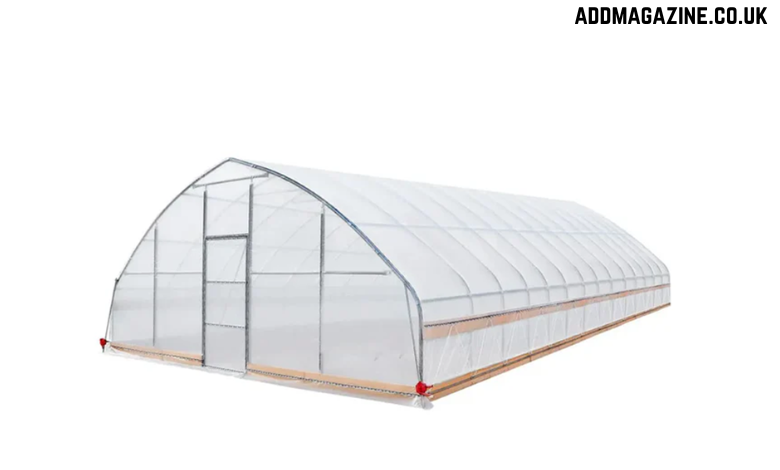
In the logistics and warehousing industry, the ability to quickly add covered space can make a big difference in protecting valuable items from weather-related damage. Whether it’s for holding extra inventory during the season, repairing equipment, or temporarily storing materials, building permanent structures can be slow and expensive. A 25′ x 60′ tunnel greenhouse grow tent made with 6mm clear EVA plastic film is a great alternative. It’s a strong, light-transmitting shelter that can be set up in just a few days, not months. Originally made for farming, these tunnel greenhouses are now being used more and more by industrial places looking for a flexible and cost-effective solution. This article looks at the technical details, safety aspects, and benefits of using such structures in Canadian industrial settings.
An example of this type of structure is the TMG 25′ x 60′ Tunnel Greenhouse Grow Tent with 6 Mil Clear EVA Plastic Film, Cold Frame, Hand Crank Roll-Up Sides, Peak Ceiling Roof, TMG-GH2560.
Where a 25′ x 60′ Tunnel Greenhouse is Useful
– Seasonal storage: Keeping pallets, raw materials, or finished products safe from snow, rain, and UV exposure.
– Warehouse overflow: Expanding work space during busy times without building new buildings.
– Material staging: Protecting construction supplies or recyclables from the weather.
How Covered Space Enhances Safety and Productivity
Open areas can be affected by bad weather, which can stop work and reduce efficiency. A tunnel greenhouse gives a protected area where work can continue even in rain, snow, or wind. For workers, this means fewer injuries from slipping on ice or from heat in summer. Stored materials stay dry, preventing damage and keeping quality. The clear EVA cover lets in natural light, reducing the need for artificial lighting during the day and creating a better work environment. The outcome is more productivity, lower energy costs, and happier workers.
Technical Details and Design Considerations
Structure and Materials
The 25 by 60 foot tunnel greenhouse usually has a galvanized steel frame with arched rafters spaced evenly.
The frame is built to handle snow loads typical in Canadian winters, as long as it is properly fixed in place. The cover is made of 6mm clear EVA plastic, which is good for letting in light, resisting UV damage, and holding up to tearing. To let air out, there are side curtains, roof vents, or end wall openings, which can be manual or motorized. The structure can be fixed to concrete footings, ground posts, or helical anchors based on the soil.
Environmental Conditions
In industrial uses, it might be necessary to keep a stable indoor environment.
Passive ventilation can be helped with exhaust fans, and heaters can help extend the season. The transparent cover allows in solar heat, which can be controlled with shade cloths or whitewash during the summer. Operators should look up local building codes and make sure the structure can handle wind and snow loads.
What Affects Performance, Safety, and Life
– Site selection and preparation: Level, well-drained ground prevents water pooling and foundation shifts.
– Installation quality: Properly tightening the cover and securing the frame is key to handling wind.
– Cover and frame maintenance: Regular checking for tears, rust, or loose parts helps extend the life.
– Snow and ice buildup: In places with heavy snow, structures need to be cleared or designed with slopes to shed snow.
– Ventilation and condensation: Poor airflow can cause mold on stored items or rust on the structure.
Safety Tips for Using a Tunnel Greenhouse
Before setting up, check that the structure meets local wind and snow load requirements.
When building, use fall protection if working at heights. Make sure all workers are trained to use the doors and ventilation systems safely. Regularly inspect the cover for UV damage or mechanical problems, especially after storms. Keep emergency exits clear and marked. If using heaters or electrical tools, ensure they are safe for the environment and protected against moisture. Plan for snow removal in areas with heavy snowfall, using gentle tools to avoid tearing the cover.
Other Temporary Shelter Options for Industrial Sites
Alternative Structures for Industrial Sites
– Fabric tension structures: They are similar but often more costly and offer better durability and custom designs.
– Portable carports or tents: Cheaper, but smaller, less durable, and might not last through heavy snow.
– Rigid frame buildings (pre-engineered): These are permanent, more expensive, and take longer to build; good for long-term use.
– Modified shipping containers: Secure but have limited space and aren’t good for large coverage.
– 25′ x 60′ tunnel greenhouse: This option is cost-effective, covers a good area, and is quick to set up, making it perfect for medium-term needs.
Useful Accessories
Operators might add shelves, lighting, fans, heaters, and dehumidifiers.
Using a second layer of shade cloth or insulating material can help control the temperature. Roll-up side walls can help forklifts and other equipment pass through. Some places install concrete or gravel floors for better traction and cleanliness.
Advantages and Limitations
Advantages:
– Quick to set up: Can be built in just a few days.
– Flexible: Easy to move or expand as needs change.
Limitations:
– Durability: The plastic cover may need to be replaced after 5 to 10 years depending on UV exposure.
– Limited insulation: Not good for storing temperature-sensitive items without heating or cooling systems.
– Wind risk: If not properly secured, it can be damaged in strong storms.
RealWorld Example: Edmonton Warehouse Expansion
A distribution company in Edmonton, Alberta, experienced a sudden rise in inventory during the holiday season and had no indoor space to store pallets of nonperishable goods.
They chose to install a 25′ x 60′ tunnel greenhouse grow tent with 6mm clear EVA plastic film next to their main warehouse. The structure was built in just three days and offered 1,500 square feet of covered storage. During the two months it was in use, the greenhouse protected the goods from snow and ice, and the natural light helped workers find items without needing extra lighting. The company reported no weather-related damage to the stored products and saved about CAD 12,000 compared to renting storage space elsewhere. After the busy season, the greenhouse was taken down and stored for future use.
For more land management and equipment options, industrial suppliers offer reliable choices like: TMG 25′ x 60′ Tunnel Greenhouse Grow Tent with 6 Mil Clear EVA Plastic Film, Cold Frame, Hand Crank Roll-Up Sides, Peak Ceiling Roof, TMG-GH2560.
Conclusion and Future Outlook
The 25-foot by 60-foot tunnel greenhouse grow tent is a useful and practical option for industrial sites that need temporary or semi-permanent covered space.
For Canadian warehouse managers and logistics professionals, it provides a quick way to adjust to changing space needs while keeping safety and productivity high. Looking forward, we can expect to see smart sensors being used for remote monitoring of temperature, humidity, and structural conditions. Also, there may be more use of durable, recyclable materials for covers. As industries keep looking for flexible solutions to space issues, tunnel greenhouses will continue to be a helpful tool for facility managers.