
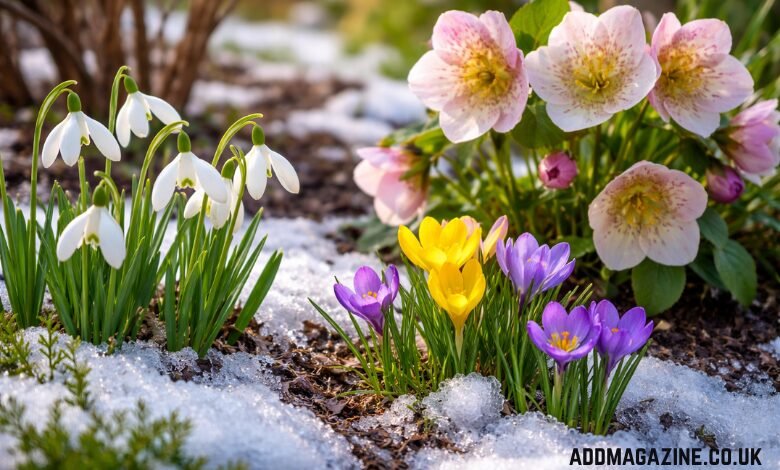
As the cold grip of winter begins to loosen its hold, a quiet transformation begins in gardens and natural landscapes. While snow still covers the ground in many places, certain flowers emerge from the frost, offering a symbol of resilience and renewal. These late-winter blooms, which defy the harsh conditions of the season, bring color and life to the dull landscape, serving as a reminder that spring is on its way.
In this article, we will explore the flowers that bloom in late winter, highlighting their unique characteristics and the essential role they play in the garden. We’ll also discuss why they thrive in such challenging conditions and how gardeners can incorporate them into their own landscapes.
Why Do Flowers Bloom in Late Winter?
Late winter is a tough time for most plants. The ground is still frozen in many areas, and harsh winds can dry out fragile leaves and petals. Yet, some plants thrive during this season. Their ability to bloom in late winter is the result of evolutionary adaptations that allow them to survive the cold and limited sunlight.
These flowers often rely on specific environmental cues to start blooming, such as the gradual increase in daylight or fluctuations in temperature. The timing of their bloom is crucial because it allows them to be among the first to provide nectar and pollen to early-season pollinators like bees. This early flowering also ensures they take advantage of any sunshine that may peek through the winter clouds, giving them the best possible chance for reproduction.
Popular Flowers That Bloom in Late Winter
Snowdrops (Galanthus nivalis)
Snowdrops are perhaps the most iconic of the late-winter flowers. Their small, white, bell-shaped blooms often emerge while snow is still on the ground. Snowdrops grow in clusters, and their hardy nature makes them a favorite among gardeners. Snowdrops are low-maintenance plants, requiring little attention once they are established. They are also one of the first sources of nectar for bees, making them a critical part of the ecosystem in early spring.
Hellebores (Helleborus spp.)
Known for their long-lasting blooms, hellebores can bloom as early as late winter, sometimes continuing into early spring. These flowers display an array of colors, ranging from pure white and soft pink to vibrant purple and subtle green. Hellebores grow well in shaded areas, making them an excellent choice for gardens with limited sunlight. Their ability to withstand cold temperatures and their durability in the face of winter conditions make them a valuable addition to any garden.
Crocuses (Crocus spp.)
Crocuses are one of the most cheerful flowers that bloom in late winter. These flowers burst through the snow in a vibrant display of color, with hues ranging from purple and yellow to white. Crocuses are often planted in lawns, garden beds, or rock gardens, where they can naturalize and spread over time. Their early bloom also provides essential nectar for pollinators emerging from hibernation. Crocuses are easy to grow and are often among the first flowers to return year after year.
Witch Hazel (Hamamelis spp.)
Witch hazel is a shrub that blooms in late winter or early spring, producing fragrant, ribbon-like flowers in shades of yellow, orange, or red. These flowers not only add color to the winter landscape but also have a strong, sweet fragrance that can be detected from a distance. Witch hazel is a hardy plant, tolerating cold temperatures, and it thrives in well-drained soil. Its late-winter blooms are an excellent way to brighten up a dull garden.
Primroses (Primula spp.)
While most primroses bloom in early spring, there are varieties that begin flowering as early as late winter. These flowers are available in a range of colors, from pastels to vibrant reds and pinks. Primroses are a great option for gardeners looking to add color to their landscape early in the season. They prefer cool temperatures and are well-suited for shaded areas, making them ideal for late-winter gardens.
Corydalis (Corydalis spp.)
Corydalis is another early bloomer that thrives in late winter. The plant produces delicate, tubular flowers that are typically blue, purple, or yellow. Corydalis is a low-growing perennial that prefers shady, moist conditions. It is often found in woodland gardens, where it can spread quickly and provide early color. Corydalis is also appreciated for its ability to attract pollinators during the early months of the year.
Why These Flowers Are Special
Flowers that bloom in late winter are a symbol of resilience. Their ability to bloom in the harshest conditions shows their strength and tenacity. These flowers do not rely on the warm temperatures or long days that many other plants need. Instead, they have adapted to the colder, harsher conditions of winter, using them to their advantage.
Their blooms also mark a shift in the seasons. The appearance of these flowers signals the end of winter’s darkest days and the gradual return of warmth and light. For gardeners, late-winter flowers offer an early opportunity to reconnect with nature and prepare for the upcoming growing season. Even though the rest of the garden may still be dormant, these flowers give a glimpse of what’s to come.
Beyond their physical beauty, these flowers also provide an emotional boost. Their early blooms are often viewed as a symbol of hope and renewal, especially during a time of year when many people feel the weight of winter. The sight of a snowdrop breaking through the ice or a crocus in full bloom can lift the spirits and remind us that, even in the bleakest moments, there is always something beautiful on the horizon.
Growing Late-Winter Flowers
For those looking to grow late-winter flowers in their own gardens, there are several things to consider. Many of these flowers are best planted in the fall, allowing them time to establish roots before the winter freeze sets in. Planting bulbs such as snowdrops, crocuses, and daffodils in the fall ensures that they are ready to emerge as soon as temperatures begin to rise slightly.
When planting late-winter flowers, it’s essential to choose the right location. Many of these flowers thrive in shady areas, making them perfect for planting under trees or in spots where sunlight is limited. These flowers tend to do well in well-drained soil, so be sure to plant them in a location that doesn’t retain too much water.
Late-winter flowers are generally low-maintenance once they are established. They are often able to tolerate dry spells and do not require frequent watering. Mulching around these plants can help to insulate them during the cold months, ensuring their survival even during particularly harsh winters.
The Role of Late-Winter Flowers in the Ecosystem
These late-blooming flowers are not only beautiful to look at, but they also play an essential role in the ecosystem. By providing early-season nectar and pollen, they support pollinators like bees and butterflies that are emerging from hibernation. As temperatures fluctuate, some bees may become active in late winter, and having flowers available for them to feed on helps ensure that they have the energy to continue their work in the coming months.
Additionally, late-winter flowers help maintain biodiversity. By growing in conditions where few other plants can survive, they provide valuable habitat for a variety of insects and small animals. The emergence of these flowers also contributes to the larger natural cycles of growth and renewal that occur throughout the year.
Conclusion
Flowers that bloom in late winter are a testament to nature’s resilience and adaptability. These flowers bring much-needed color, fragrance, and life to the cold, barren landscape, signaling that the end of winter is near. Their early blooms offer critical resources for pollinators and contribute to the biodiversity of the garden. Whether you’re a seasoned gardener or a beginner, incorporating these flowers into your landscape can help create a garden that thrives year-round.
From the humble snowdrop to the vibrant crocus, these late-winter blooms offer something for everyone. Their beauty and resilience serve as a reminder that, no matter how harsh the winter, nature always finds a way to persevere. As we look forward to the warmer months, we can take comfort in knowing that the first signs of spring are already on their way, heralded by the flowers that bloom in late winter.