Digital marketing operations have reached a breaking point. Teams spend countless hours manually researching prospects, crafting individual outreach messages, and tracking response rates across fragmented systems. The traditional approach to link building and relationship development requires substantial human resources while delivering inconsistent results. Marketing directors face mounting pressure to demonstrate measurable returns on campaigns that often take months to show meaningful outcomes.
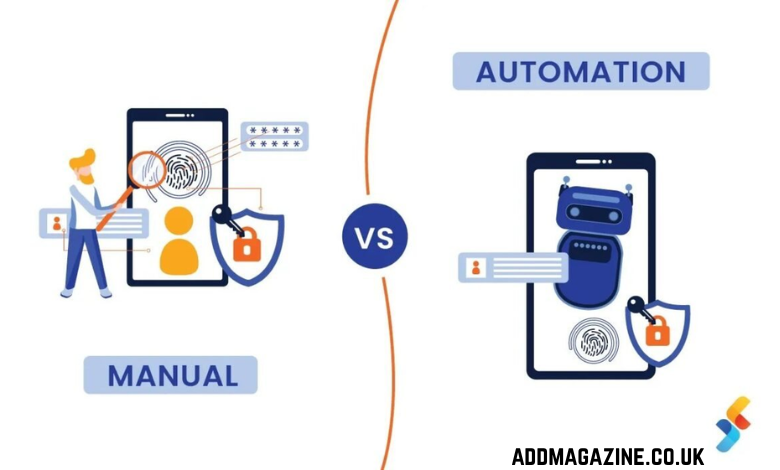
The shift toward automated link acquisition represents more than operational efficiency—it addresses fundamental challenges in scalability and measurement that manual processes cannot solve. Organizations that continue relying on manual outreach find themselves constrained by team capacity and limited visibility into campaign performance. The difference between manual and automated approaches extends beyond time savings to encompass data quality, response tracking, and the ability to optimize campaigns based on real performance metrics.
Understanding how automated systems transform link acquisition requires examining both the operational mechanics and the strategic advantages they provide. The framework for implementing these systems involves specific considerations around audience targeting, content alignment, and performance measurement that differ significantly from traditional manual approaches.
Understanding Automated Link Acquisition Systems
Automated link acquisition operates through programmatic identification and outreach to relevant websites and content creators. These systems analyze target websites for content relevance, domain authority metrics, and contact information before initiating structured outreach campaigns. The process eliminates the manual research phase that typically consumes significant team resources while providing more comprehensive coverage of potential linking opportunities.
Organizations looking to get smart links through automated systems benefit from consistent messaging and systematic follow-up sequences that human teams struggle to maintain at scale. The technology handles prospect research, email personalization, and response tracking through integrated dashboards that provide real-time campaign visibility.
The core advantage lies in data collection and analysis capabilities. Automated systems capture response rates, engagement metrics, and conversion data that inform future campaign optimization. This feedback loop enables continuous improvement in targeting criteria and messaging effectiveness—something difficult to achieve with manual processes.
Campaign Targeting and Audience Selection
Automated systems excel at processing large datasets to identify high-probability linking opportunities. The technology analyzes website content, publication frequency, and linking patterns to score potential targets based on relevance and likelihood of engagement. This systematic approach reduces the subjective decision-making that often leads to inconsistent results in manual campaigns.
Targeting parameters extend beyond basic demographic information to include content themes, publication schedules, and historical linking behavior. The system builds comprehensive profiles of potential partners based on publicly available information and interaction history. This depth of analysis enables more precise audience segmentation than manual research typically provides.
Content Integration and Messaging Frameworks
Successful automated campaigns require structured content frameworks that support personalization without losing authenticity. The system draws from content libraries and website analysis to craft relevant outreach messages that reference specific articles or topics covered by target publications. This approach maintains the personal touch that effective relationship building requires while operating at automated scale.
Message sequencing becomes particularly important in automated systems. The technology manages follow-up timing and content variation to maintain engagement without appearing mechanical. Advanced systems adjust messaging tone and content focus based on recipient behavior and engagement patterns identified through previous interactions.
Performance Measurement and Campaign Optimization
Automated link acquisition provides granular performance data that manual processes cannot match. The system tracks open rates, response rates, and conversion metrics across different audience segments and messaging approaches. This data visibility enables marketing teams to identify successful patterns and adjust campaign parameters for improved performance.
Response tracking extends beyond basic email metrics to include website visits, content engagement, and linking behavior. The system correlates outreach activities with actual link placements and referral traffic to measure campaign effectiveness accurately. This comprehensive tracking capability supports data-driven decision making and budget allocation based on demonstrated results.
Campaign optimization occurs through systematic testing of different variables including subject lines, messaging tone, send timing, and follow-up sequences. The automated system can run parallel campaigns with slight variations to identify the most effective approaches for different audience segments. This testing capability accelerates learning and improvement cycles compared to manual campaign management.
Integration with Existing Marketing Systems
Effective automated link acquisition requires integration with existing customer relationship management and marketing automation platforms. The system should synchronize contact information, campaign history, and performance data with established workflows to avoid data silos and duplicate efforts. Integration capabilities determine how well automated link acquisition fits within broader marketing operations.
Data synchronization becomes particularly important for organizations running multiple marketing campaigns simultaneously. The automated system must coordinate with other outreach efforts to prevent conflicting messages or over-communication with shared prospects. Proper integration ensures consistent brand representation across all marketing touchpoints.
Quality Control and Brand Protection
Automated systems require careful quality control measures to protect brand reputation and ensure message quality. The technology should include approval workflows for sensitive campaigns and monitoring capabilities to identify potential issues before they impact brand perception. Organizations must balance automation efficiency with oversight requirements based on their risk tolerance and brand positioning.
Monitoring extends to link quality and placement context to ensure acquired links align with brand standards and search engine guidelines. The system should flag potentially problematic placements or low-quality sites to maintain link portfolio integrity. This quality assurance function protects long-term campaign effectiveness and brand reputation.
Implementation Framework and Team Considerations
Transitioning from manual to automated link acquisition requires systematic planning and team preparation. The implementation process involves technology selection, workflow design, and team training to ensure successful adoption. Organizations must consider existing processes, team capabilities, and integration requirements when planning the transition.
Technology selection criteria should emphasize ease of use, integration capabilities, and reporting functionality over feature complexity. The chosen system must align with team technical capabilities and existing marketing technology infrastructure. Implementation success depends more on proper planning and team adoption than on sophisticated feature sets.
Workflow design becomes critical for maximizing automation benefits while maintaining quality standards. Teams must establish clear processes for campaign setup, content creation, and performance review. The workflow should define roles and responsibilities for different team members and establish quality checkpoints throughout the campaign process.
Training and Skill Development Requirements
Team training requirements extend beyond basic system operation to include strategic thinking about automated campaign design and performance interpretation. Marketing professionals must understand how to translate manual campaign strategies into automated processes while maintaining effectiveness and authenticity.
Skill development should focus on data analysis and campaign optimization rather than technical system administration. Team members need to interpret performance metrics, identify optimization opportunities, and make strategic adjustments based on campaign data. These analytical skills become more important than traditional manual outreach capabilities.
Budget and Resource Planning
Automated link acquisition requires different budget allocation compared to manual approaches. Technology costs replace some labor expenses, but organizations must account for initial setup time, training requirements, and ongoing system management. The budget model shifts from primarily labor-based to a combination of technology and strategic oversight costs.
Resource planning should consider the learning curve associated with new technology adoption and the time required to optimize campaign performance. Initial campaigns may require more oversight and adjustment than steady-state operations. Planning should account for this transition period when evaluating expected return on investment timelines.
Long-Term Strategic Advantages
Automated link acquisition provides strategic advantages that extend beyond immediate operational efficiency. The systematic data collection and analysis capabilities enable more sophisticated marketing strategies based on demonstrated audience behavior and content performance patterns. Organizations develop deeper understanding of their market and more effective relationship building approaches through automated system insights.
Scalability becomes a fundamental strategic advantage as organizations can expand their link acquisition efforts without proportional increases in team size. The automated system handles increased campaign volume while maintaining consistent quality and performance tracking. This scalability supports business growth without corresponding increases in marketing operational complexity.
Competitive advantage emerges through faster campaign optimization and more comprehensive market coverage than manual processes provide. Organizations using automated systems can test new approaches, enter new markets, and respond to competitive pressures more quickly than those relying on manual processes. The speed and scale advantages compound over time to create significant market positioning benefits.
Evolution of Marketing Operations
Automated link acquisition represents part of broader marketing operations evolution toward data-driven, systematic approaches. Organizations that successfully implement these systems develop capabilities and insights that support other marketing automation initiatives. The experience gained through automated link acquisition provides foundation for more sophisticated marketing technology implementations.
The shift toward automation enables marketing teams to focus on strategic activities rather than repetitive operational tasks. Team members can concentrate on campaign strategy, content development, and relationship management while automated systems handle research, outreach, and performance tracking. This role evolution typically leads to improved job satisfaction and more strategic marketing outcomes.
Conclusion
The transition from manual to automated link acquisition represents a fundamental shift in how organizations approach relationship building and content promotion. Automated systems provide scalability, consistency, and performance visibility that manual processes cannot match while enabling marketing teams to focus on strategic activities that drive long-term business growth.
Success with automated link acquisition requires careful planning, proper technology selection, and team preparation for new workflows and responsibilities. Organizations that approach implementation systematically while maintaining focus on quality and authenticity achieve the best results. The framework outlined here provides structure for making this transition effectively while avoiding common implementation pitfalls.
The strategic advantages of automated link acquisition extend well beyond immediate operational benefits. Organizations that master these systems develop competitive advantages through faster optimization, broader market coverage, and deeper audience insights that inform broader marketing strategies. The investment in automated link acquisition capabilities supports long-term marketing effectiveness and business growth objectives.