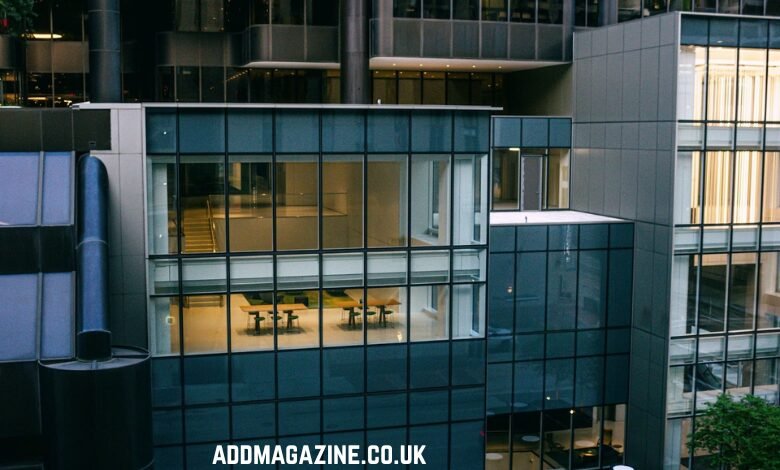
International commercial deals no longer start with a plane ticket. They start with a screen. Investors work across time zones and borders, often without any chance to visit a site early on. That gap used to slow decisions and kill momentum. Now it’s filled by architectural visualization that feels real enough to trust. Remote walkthroughs give investors a sense of presence without travel. A developer in London can walk through an office tower with a buyer in Tokyo and answer questions in real time. This approach replaces early-stage travel with clarity and speed. For institutional assets, this level of presentation is no longer a bonus. It’s expected. High-quality visuals signal professionalism, reduce uncertainty, and support serious cross-border capital conversations.
Building Investor Confidence through Photorealistic Remote Walkthroughs
Trust decides remote deals. When a buyer can’t touch the asset, visuals do the heavy lifting. A strong walkthrough lets investors study finishes, ceiling heights, circulation, and structure in detail. When light behaves naturally, and proportions feel honest, confidence grows. This is where 3d architecture visualization proves its value. The model becomes a reference point instead of a promise. Sun angles, shadows, and surrounding buildings can be shown using real location data. That context helps buyers judge long-term performance, not just appearance. When the digital version closely matches reality, distance stops being a risk factor.
Interactive Features that Drive International Commercial Conversions
Static images explain form, but interactivity answers questions. Commercial buyers want control. They test assumptions, compare options, and check constraints. A capable architecture visualization studio builds walkthroughs that respond, not just display.
· Toggleable office layouts showing different density and usage scenarios
· Clickable data points with square footage, ceiling heights, and HVAC details
· Real-time sunlight simulation based on the building’s exact location
· Switchable interior finishes to compare tenant or brand standards
· Multi-user guided tours for shared international walkthroughs
· Aerial 360 views showing transit access and surrounding infrastructure
These tools shorten decision cycles and cut follow-up rounds. They are usually delivered as part of architectural visualization services. A focused 3d architecture studio treats interactivity as decision support, not decoration. For global buyers, that depth signals readiness and discipline.
Accelerating the Deal Cycle and Minimizing Global Transaction Friction
International site visits can take weeks to organize. Remote walkthroughs remove that delay. Buyers can review the asset immediately and return as often as needed. This keeps momentum alive. Developers can speak to multiple investors simultaneously rather than sequencing tours. That overlap creates pressure and competition. The same model supports due diligence. Engineers, lawyers, and consultants work from a shared view, even across continents. This reduces friction and misalignment. A reliable 3D visualisation company helps keep the process focused on value rather than logistics.
The Future of Commercial Marketing: VR, AR, and Persistent Digital Twins
Standard walkthroughs are only the starting point. Virtual reality allows buyers to experience space at the human scale. Augmented reality places future buildings into real environments during site reviews. After closing, persistent digital twins continue to deliver value. Owners use them for leasing, renovations, and long-term planning. This invests in 3d architectural visualization services more logical over time. The model becomes an operational asset, not a one-off sales file. Companies adopting this approach now set expectations for how global deals will run.
Conclusion
Remote walkthroughs have changed how commercial property is sold worldwide. They remove distance and speed up decisions. Developers gain reach without losing clarity. Investors gain confidence without travel. As capital moves faster, presentation standards rise. Clear, interactive models are now a baseline requirement. The physical gap between buyer and asset is no longer a problem. It’s an opportunity to operate smarter. That shift is permanent and favors teams that understand 3D architectural visualization.