
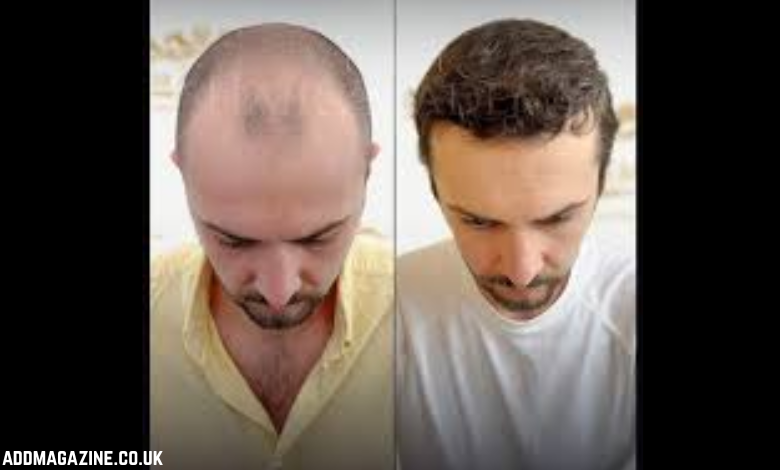
Hair restoration has emerged as a highly popular cosmetic treatment globally, gaining significant demand across various regions. As pricing varies significantly between countries, many patients research the hair transplant cost in Greece to understand whether it offers real value without compromising medical standards.
Greece has gained attention for combining European healthcare regulations with competitive private clinic pricing. However, understanding what influences cost — and what truly determines long-term results — is essential before making a decision.
What Determines Hair Transplant Cost in Greece?
The price of a hair transplant in Greece is not fixed. It depends on several medical and technical factors.
Key cost influences include:
- Number of grafts required
- Extent of hair loss
- Surgeon experience
- Technique used (FUE or DHI)
- Clinic reputation and facilities
Rather than focusing only on total price, patients should consider cost per graft and the overall treatment plan.
Average Graft Requirements
Every patient has a different hair loss pattern. Typical graft ranges may include:
- 1,500–2,000 grafts for mild hairline restoration
- 2,500–3,000 grafts for moderate thinning
- 3,500+ grafts for advanced hair loss
A proper consultation ensures realistic graft estimation and prevents overharvesting of the donor area.
Why Greece Offers Competitive Pricing
Hair transplant procedures in Greece are generally more affordable than in the UK and parts of Western Europe.
This is often due to:
- Lower clinic operational costs
- Competitive private healthcare market
- Regional economic differences
Despite lower pricing, Greece maintains European Union medical standards, which adds reassurance for international patients.
However, price should never replace careful evaluation of surgeon credentials and experience.
What Is Typically Included in the Cost?
Many Greek clinics offer structured treatment packages. These may include:
- Pre-operative consultation and scalp assessment
- Hairline design planning
- Procedure and local anesthesia
- Post-operative medications
- Aftercare instructions and follow-up
Patients should always confirm whether the surgeon directly performs key stages of extraction and implantation.
Techniques and Their Impact on Price
Modern clinics in Greece primarily use:
FUE (Follicular Unit Extraction)
A minimally invasive technique where individual grafts are extracted and implanted.
DHI (Direct Hair Implantation)
A refined implantation method allowing precise control over graft placement.
Technique selection can influence pricing due to procedure time and surgical complexity. However, natural results depend more on planning and execution than on technique name alone.
Long-Term Value vs Short-Term Savings
A lower upfront cost may seem attractive, but long-term planning is critical.
Poorly planned procedures can lead to:
- Overharvesting of donor hair
- Aggressive hairline placement
- Unnatural density patterns
- Need for corrective surgery
When researching hair transplantation Greece options, patients should prioritize conservative hairline design and donor preservation over promotional pricing.
A well-executed procedure offers long-term value that outweighs minor price differences.
Recovery and Result Timeline
The biological healing process remains consistent worldwide:
Days 1–3: Mild redness and swelling
Weeks 2–4: Temporary shedding phase
Months 3–4: Early regrowth begins
Month 6: Visible density improvement
Months 9–12: Final maturation
Full results require patience, and gradual improvement is completely normal.
Is Hair Transplant in Greece Cost-Effective?
For many patients, Greece provides a balance between affordability and European medical oversight. When performed by experienced surgeons using modern techniques, results can be natural, age-appropriate, and long-lasting.
Ultimately, true value is determined not just by cost per graft, but by:
- Surgical expertise
- Long-term planning
- Responsible donor management
- Realistic expectations
Careful research remains the foundation of a successful outcome.